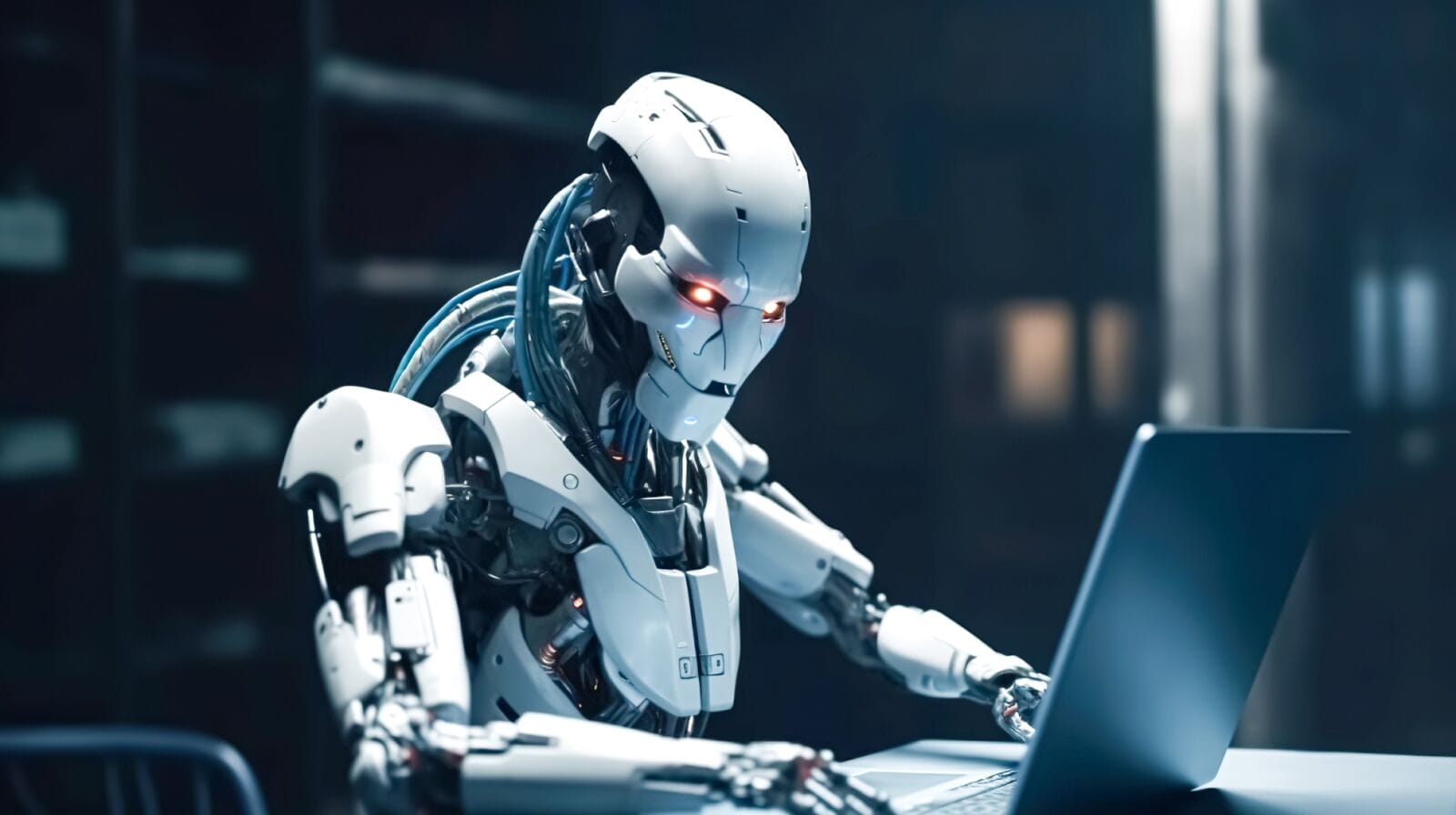
AI video creation has become dramatically easier over the last few years. Tools like HeyGen and SadTalker helped popularize AI-generated talking videos by allowing users to animate avatars or bring still images to life with speech. As creators move from experimentation to professional production, however, lip sync often becomes the bottleneck.
Scenario 1: When You Need More Than a Human Avatar
Many avatar platforms focus primarily on human presenters. But creators increasingly work with anime characters, cartoon mascots, game characters, and even animal-based content. When workflows require character flexibility rather than standard corporate avatars, users often begin researching a heygen alternative that supports a broader range of visual styles while maintaining believable speech synchronization.
Scenario 2: Talking Is Easy, Singing Is Hard
Many AI video tools can generate acceptable speech animation, but singing introduces timing variations, longer vowel sounds, and more demanding synchronization requirements. Music creators, VTubers, entertainment channels, and social media agencies often discover that lip-sync quality matters more than avatar quantity.
Why Resolution and Video Length Matter
As projects become commercial, creators need longer videos, sharper outputs, and professional-quality assets. Marketing agencies, brands, and content creators increasingly evaluate platforms based on factors such as 4K output, longer video generation, and production-ready rendering capabilities.
Why Character Flexibility Is Becoming a Competitive Advantage
Gaming channels use animated characters. Brands create mascot-driven campaigns. VTubers rely on stylized avatars. Social media creators increasingly experiment with animals, cartoons, and fictional characters. Character flexibility directly affects the types of projects a creator can produce.
Scenario 3: Resolution and Production Quality Start to Matter
As projects become commercial, creators need longer videos, sharper outputs, and professional-quality assets. Teams increasingly evaluate whether a platform can support real campaigns, client work, and brand communication rather than simple demonstrations.
Scenario 4: Multi-Person Videos Create New Problems
Many AI tools were designed around a single face and a single speaker. Real-world content often includes interviews, podcasts, dialogues, and character interactions. Accurate speaker control becomes critical when multiple people appear on screen.
Scenario 5: Real Content Includes Obstructions
Real-world footage contains microphones, hands, beards, glasses, and objects that partially obscure faces. While many systems perform well under ideal conditions, obstruction handling often becomes a deciding factor in production environments.
Why Many Users Eventually Need a SadTalker Alternative
SadTalker played an important role in introducing creators to AI facial animation. However, installation requirements, GPU dependencies, environment setup, and workflow maintenance can become obstacles for agencies, marketers, and businesses. This is why many professional users eventually search for a sadtalker alternative that provides similar capabilities through a streamlined browser-based workflow.
The Shift From Avatar Tools to Lip-Sync Tools
As projects become more sophisticated, creators increasingly care about character flexibility, vocal accuracy, singing support, multi-person control, long-form content, and commercial production quality. The search for alternatives is often driven not by dissatisfaction but by evolving requirements.
Final Thoughts
The AI video industry is maturing rapidly. Tools like HeyGen and SadTalker remain valuable, but creator expectations continue to rise. As projects become more complex, realistic lip synchronization, broader character support, higher-quality outputs, and production-ready workflows become increasingly important.
Author Bio
LipSync Studio helps creators, marketers, and businesses generate realistic talking videos from images, supporting anime characters, animals, singing performances, multi-person scenes, and high-resolution outputs for professional content production.