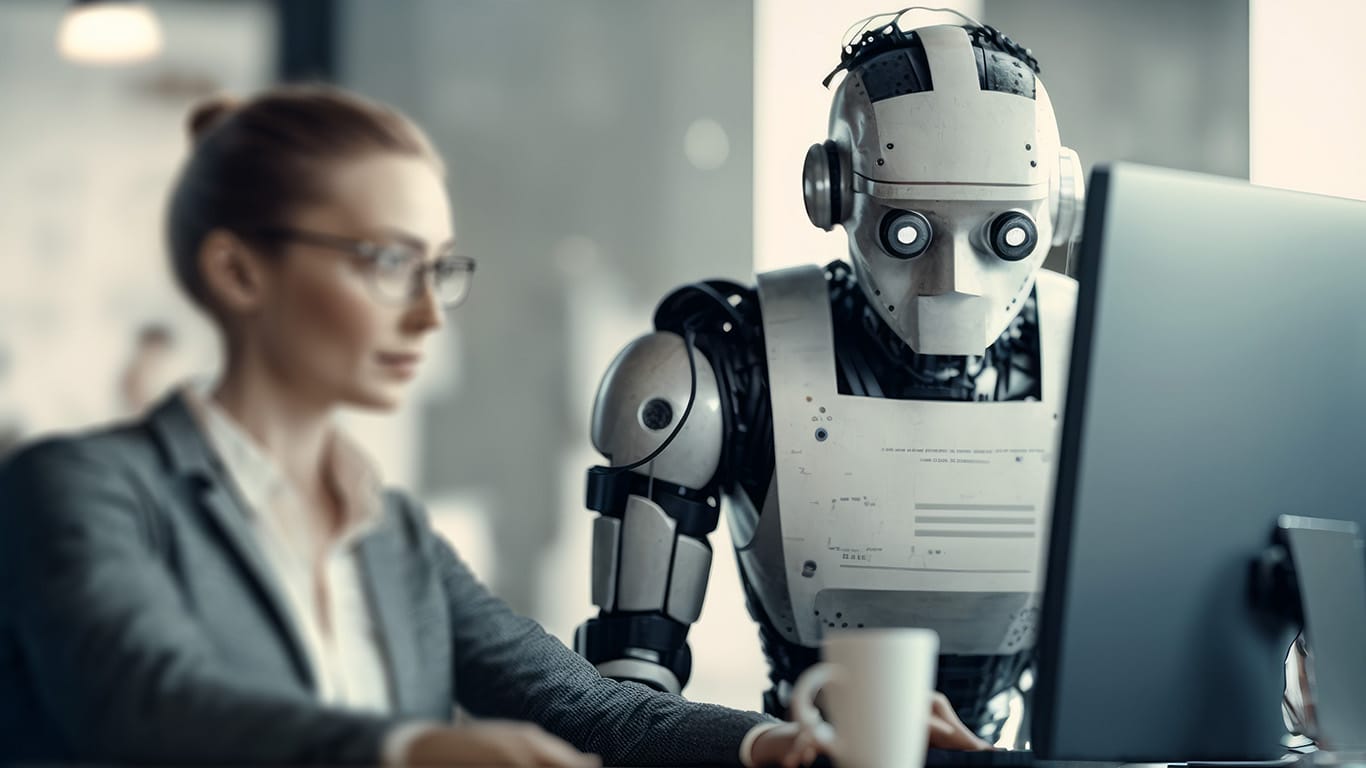
Writing used to take a long time and be done alone. It took a lot of effort, focus, and rewriting over and over again. With AI now being used in creative work, the process is changing into something that is faster, more collaborative, and much more dynamic. AI doesn’t take away the human touch; it makes it stronger.
People are learning how to use technology as a creative tool instead of a quick fix in classrooms, offices, and studios. Now, the job is not just to write text, but to shape it, polish it, and give it personality. The smartest creators don’t let AI do their thinking for them. Instead, they use it to clear their minds for the things that really matter: ideas, insight, and voice.
AI has made it easier than ever to write. It helps those who don’t speak English as a first language say what they mean, helps students with structure, and lets marketers talk to people more quickly. But speed isn’t the only thing that’s important. The modern writer’s job is to find a balance between writing that is both effective and true.
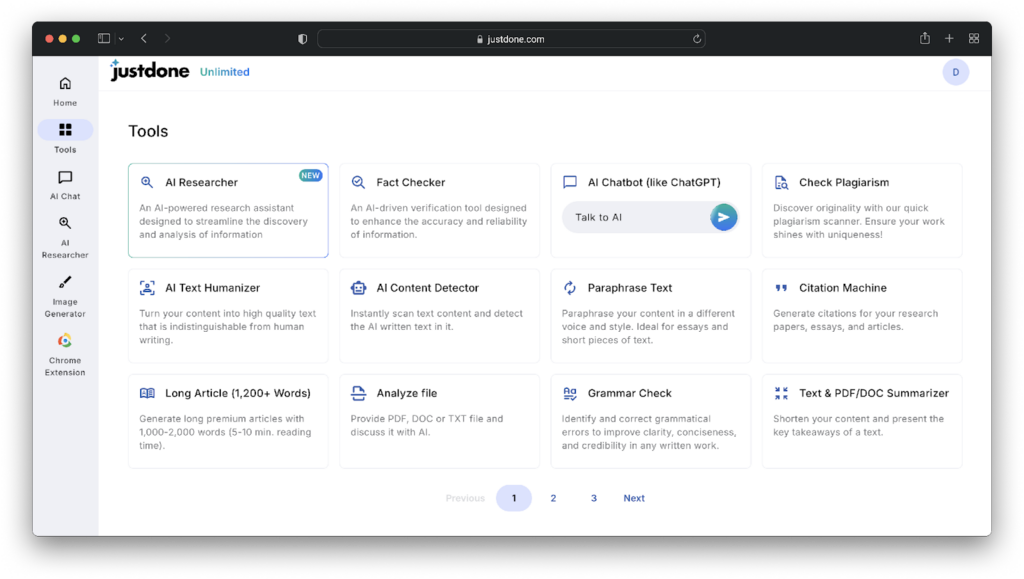
That’s where intelligent, people-centered platforms come in. Tools that mix automation with knowledge are changing both creativity and productivity in equal measure. One example of how this change appears in action is the JustDone Website. It has writing tools that enable users not only write rapidly, but also make their writing feel natural, with a human tone and rhythm. The goal is not to replace people, but to enable them express themselves with confidence. There are humanizers that make robotic language sound more natural and detectors that check for authenticity.
Writing with AI the smart way

A lot of people were afraid that artificial intelligence would make writers and editors unnecessary when it initially came to creative fields. But what really happened was that the way we work with technology changed. Writers are still the voice—the people who tell stories and think—but now they have a computer companion that takes care of the structure, repetition, and technical polish.
This cooperation gives creators more freedom to try new things. They don’t have to worry about how many words they use or how they sound; they can just focus on how clear and how they sound. AI technologies are like quiet helpers that are always ready to check your grammar, propose better ways to say things, or turn large messages into short thoughts. It’s not less creativity; it’s more space for it.
AI is also helping people learn about how they write. When users observe how algorithms change or rewrite sentences, they start to notice trends, including terms that are used too often, transitions that are hard to follow, or sentences that are too long. It’s like having a digital mirror that shows you how you look. It’s not about writing like a machine over time; it’s about figuring out what makes your writing clearly human.
LOCAL NEWS: 10 things you may not know are manufactured in Arizona
INDUSTRY INSIGHTS: Want more news like this? Get our free newsletter here
From AI-generated to real people
Writing well has never meant being faultless. It’s about making a connection. Readers don’t care about perfect grammar; they care about tone, honesty, and rhythm. That’s why authenticity is even more important now that AI is becoming more common. People can now identify whether a piece of writing is boring or predictable, and that knowledge is making writers work harder to improve.
AI tools are changing, too. They’re not just machines that make words anymore; they’re becoming curators of spontaneous expression. Humanizer tools, in particular, are helping to bring together mechanical accuracy with emotional connection. They help fix mistakes, timing, and tone—things that make a work feel real.
Finding the right balance between automation and authenticity is becoming a sign of good digital writing. The best creators aren’t the ones who stay away from AI; they’re the ones who utilize it wisely, understanding when to let it help and when to take charge.
This idea is put into reality on the JustDone website. It gives you access to tools that can help you with every step of writing, from finding patterns made by AI to turning them into genuine language.
Even when they use modern technology to speed up the process, the focus is always on letting users sound like themselves. That’s what modern creation looks like: where new ideas and goals meet.
How AI assistants work
AI literacy is becoming just as crucial as reading and writing used to be. You can’t only know how to write well anymore; you also need to know how machines read and write language. This knowledge helps people utilize digital technologies in a responsible way, making sure that the boundary between help and authorship stays clear.
Teachers are already using this kind of thinking in the classroom, teaching pupils how to not only write essays but also look at their digital footprints as authors. Professionals are learning the same thing: being honest and open online is what makes you credible.
People cease being afraid of AI when they grasp how it works. They don’t see it as a danger to the creative process; they see it as a part of it. Being able to work with AI in a responsible way is increasingly becoming an important talent for professionals in all fields, from media and marketing to education and research.
Writing better, getting better outcomes
Writing in the future won’t be mechanical; it will be thoughtful. Technology is doing what was once boring, giving people more time to be creative. Writing smarter isn’t about taking shortcuts; it’s about knowing how to utilize the appropriate tools in the right way.
Writers that welcome this transition will find that AI doesn’t take away individuality; it helps to define it. They can focus on making meaning by letting AI manage the structure. They get more time to be creative by having technology help them be accurate.
The true progress isn’t when machines perform our work; it’s when people learn new ways to collaborate with machines. Tools like the ones you can find on intelligent writing platforms aren’t taking away human creativity; they’re making it better. They help us talk to one other better, think more clearly, and be more sure of our work when we use them appropriately.
The saying “write smarter, not harder” is no longer true. It’s a skill that blends being efficient with being caring, and using technology with trusting it. The best writers of the future will not be those who disregard AI. They’ll be the ones that know how to use it and still sound like themselves.