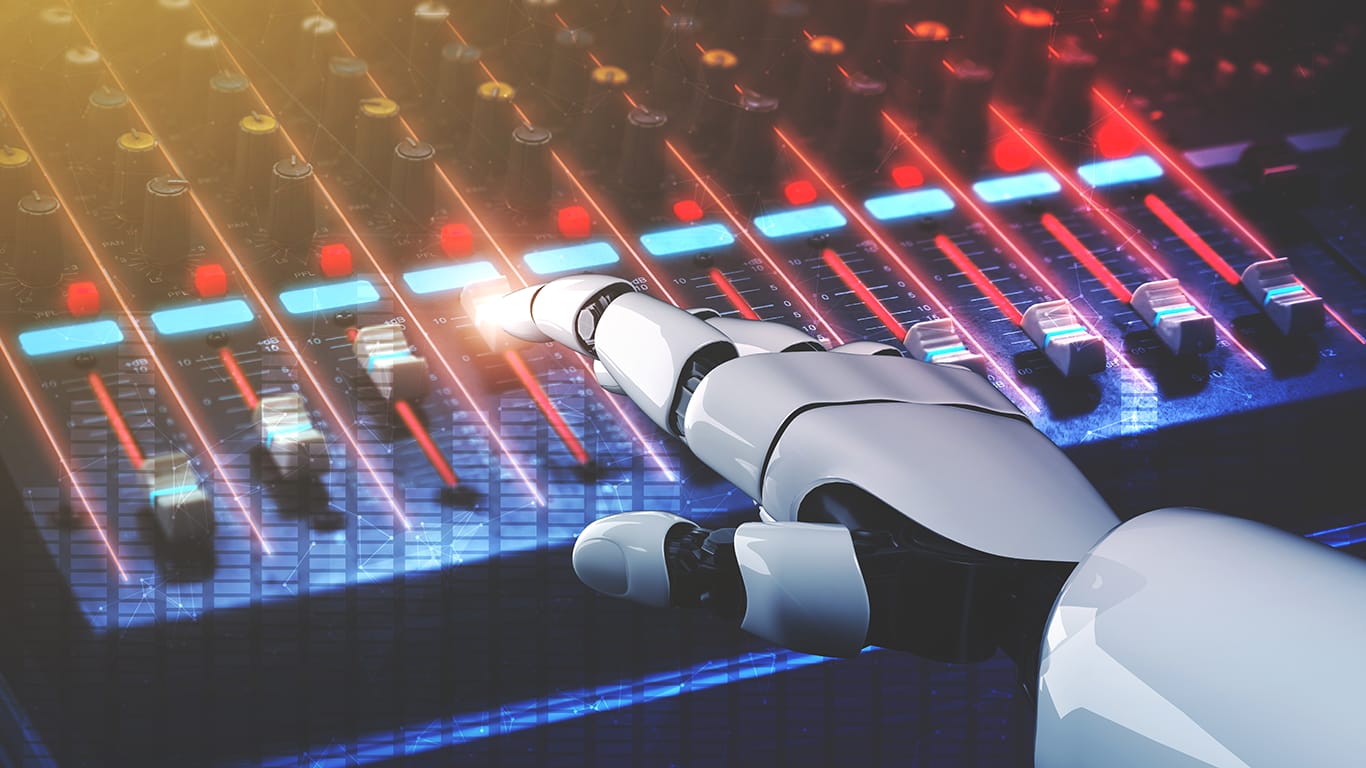
When it first came out, the AI music industry was considered something of an experiment. People weren’t sure what to make of the idea, with many people thinking that music is something that should be the exclusive realm of humans.
However, like in many other industries, people’s skepticism is quickly dying out as AI consistently proves its worth among more diverse music producers. And now, you can find an AI music creator online easily that will quickly prove to be a trusted partner in the music creation business.
No stopping the AI music business
In just a few years, the AI music production industry has grown into a nearly $4 billion market. So there is no question among the general public that it is making a distinct mark. The precise ways that this is happening are worth exploring, though. In general, startups are transitioning from focusing on specific tools to becoming full-fledged music publishers in their own right. As the industry grows, more and more startups are moving in this direction.
Major trends driving growth
Let’s take a closer look at which trends exactly are driving growth these days.
- The formation of strategic partnerships. Although there were some legal issues with record labels during the early years of AI music generation, startups have been settling litigation problems and actually forming strategic partnerships with major labels. As a result of these partnerships, startups have been able to create models based upon licensed content without facing potential repercussions.
- Commercial sound utility creation. The AI revolution has brought about popularization of “utility-driven music.” What this means is that music is designed for specific purposes, rather than simply listening enjoyment. Functions can include productivity enhancement, learning aids, sleep assistance, and related functions. Given these clearly identified needs in the market, startups are rushing to fill the demands, and competition is racing among them.
- Subscriptions and SaaS. Startups are also getting a lot of business from subscription and SaaS-based needs. Many people who do not have long-term production needs are choosing these options to fulfill shorter requirements. People can still create full-length tracks, beats, and stems at professional levels, but they can do so according to their own time and volume restrictions.
- Royalty-sharing platforms. Some companies that initially faced potential litigation issues over royalty rights have settled on models that include opt-in options among artists in order to allow for royalty sharing possibilities. This type of model allows artists to benefit from available training opportunities while not risking the loss of potential profit.
- AI remixing. Remixing has long been a subject of controversy in that it blurs the line of copyright infringement to potentially unresolvable levels. But some progressive startups are coming up with creative solutions to this problem. They are partnering with artists to come up with licensing deals so that users can legally mix or otherwise alter existing tracks and use them on social media without violating copyright laws.
- API gaming. Music plays a major role in gaming, as well. Players often don’t consciously think about this, but music can be a major factor in motivating players and in creating distinct atmospheres in games. Startups are aware of this, and therefore several of them are providing APIs that allow for the creation of real-time, contextually changeable music in games. This can be very exciting for players as music goes far beyond the standard tunes that usually come out in a game. Rather, it can adjust and grow to all new levels of complexity.
Remaining issues in the industry
Despite the massive growth being seen in the AI music industry these days, there are still issues that companies have to contend with. These include:
- Fair use debate. There are accusations against startups that they cannibalize what was initially human work, which leads to large-scale ingestion of the work that went into creating music in the first place. Startups argue that they have the right to do this, but the debate continues nonetheless.
- Continuing legal issues. Although some of the copyright issues against startups have been resolved, others remain. Issues like authorship of AI-created material continue to be sticking points, and with the increasing amount of information available via AI, this will become an even bigger problem.
- Claims of inauthenticity. Some of the programs out there can be so good at creating content that listeners might not be able to tell the difference between AI-produced material and human-produced material. Content should be labeled appropriately, but that doesn’t always happen.
- Risks of cultural appropriation. Many artists fear that AI will cause their hard-earned work to be casually blended into an indistinct mix, to the point where their talents are no longer recognized and where truly good music can no longer be distinguished from mediocre.
- Risks of depressed earnings. Many musicians fear losing their livelihoods to AI music. If something that many people consider good enough to listen to is that cheaply created, it becomes doubtful that they will pay more for something that can’t clearly be distinguished as better.
Startups will continue to grow
These sticking points won’t go away entirely any time soon, but this doesn’t detract from the fact that startups are doing amazing things in the business these days. Although some ethical concerns remain, for example, there are a lot of startups that are doing their best to abide by the rules as they go about the business of creating amazing music. So yes, the debates will go on, but the general trend is upward for the future of AI music. And ultimately, talented artists will still have a deserved place in the spotlight and real musical talent is a timeless quality. So check out what is happening in the world of AI music today. You will likely be amazed at what you find.