
For years, performance in business was measured almost entirely through output, long hours, rapid decision-making, and the ability to sustain pressure without slowing down. Endurance was often equated with success. But that perspective is beginning to shift.
Across Arizona’s executive and entrepreneurial landscape, there is a growing recognition that performance is not just about how much you can do, but how well you can sustain it over time. And that sustainability is increasingly tied to something that was once overlooked: physical recovery.
Redefining Performance in High-Demand Environments
Modern professionals operate in environments that demand constant engagement. Meetings, travel, deadlines, and digital connectivity create a rhythm that rarely allows for complete disconnection.
Over time, this pace takes a toll, not always in obvious ways. Fatigue builds gradually. Focus becomes harder to maintain. Physical discomfort, whether in the form of muscle tension, joint strain, or reduced mobility, can begin to affect both energy levels and decision-making capacity.
What’s becoming clearer is that these factors are not separate from performance. They are part of it. The ability to recover effectively, physically and mentally, is emerging as a defining trait of high-performing individuals.
Technology’s Role in Modern Recovery
Advancements in recovery technology are playing a key role in this transition. Methods that were once considered specialized are becoming more accessible, offering new ways to support the body’s natural healing processes.
Among these developments, SoftWave shockwave therapy is gaining attention within sports medicine and performance-focused communities. By targeting tissue response and circulation at a deeper level, these methods aim to support recovery without requiring extended downtime, an important factor for professionals balancing demanding schedules. Rather than replacing traditional recovery practices, this technology is expanding the options available, allowing individuals to tailor their approach based on lifestyle and workload.
The Cost of Ignoring Recovery
When recovery is neglected, the effects tend to accumulate quietly. What starts as minor stiffness or fatigue can evolve into something that impacts consistency.
Reduced mobility can affect daily comfort. Poor recovery can lead to disrupted sleep, which in turn affects cognitive performance. Over time, these small inefficiencies compound, creating gaps between potential and actual performance.
In competitive environments, those gaps matter. This is why recovery is increasingly being viewed not as a reactive measure, but as a proactive strategy.
From Fitness Trend to Performance Strategy
What was once associated primarily with athletes is now being adopted by professionals across industries. Recovery is no longer limited to post-workout routines, it has become part of how individuals maintain readiness for demanding schedules.
This shift is particularly visible in regions like Arizona, where active lifestyles intersect with professional ambition. Golf, hiking, cycling, and fitness routines are common, but so is the need to remain productive and engaged throughout the week.
As a result, the line between physical performance and professional performance is becoming less distinct.
Recovery as a Leadership Advantage
There is also a broader shift happening at the leadership level. Executives and business leaders are beginning to recognize that physical resilience influences more than just personal well-being, it affects how they lead.
Clear thinking, consistent energy, and the ability to stay composed under pressure are all connected to how well the body is functioning. When recovery is prioritized, these qualities become more sustainable.
This perspective reframes recovery as an investment rather than a luxury. It is no longer about stepping away from work, it is about enhancing the ability to perform within it.
The Intersection of Longevity and Productivity
Longevity is becoming a key consideration in professional life. Careers are extending, expectations are evolving, and the ability to remain effective over decades is more valuable than ever.
Physical resilience plays a central role in this equation. Maintaining mobility, reducing chronic strain, and supporting recovery processes all contribute to long-term performance.
Insights into how muscle preservation and recovery strategies are evolving, particularly those focused on sustaining strength and function over time, highlight the importance of integrating these practices into daily routines rather than treating them as occasional interventions.
A closer look at how these strategies are applied in practice, including approaches to maintaining muscle integrity and improving recovery efficiency, can be found in discussions around advanced performance recovery techniques that continue to shape how professionals manage their physical well-being.
Building Recovery into the Routine
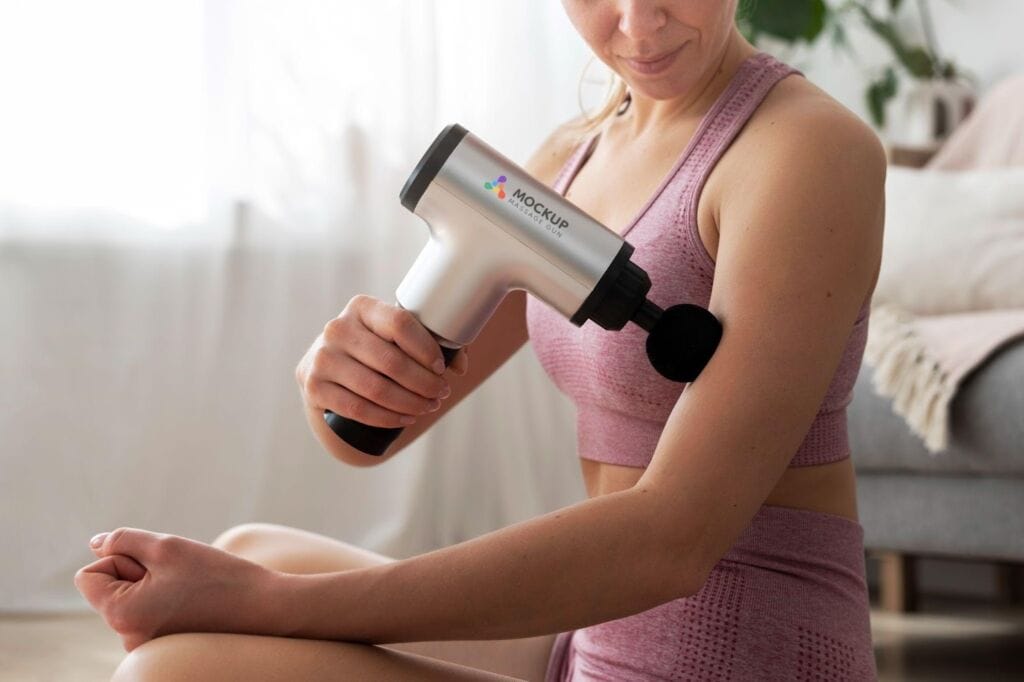
One of the most effective ways to approach recovery is to make it part of a regular routine rather than something addressed only when issues arise.
This might include structured movement, hydration, sleep optimization, and periodic use of recovery-focused treatments. The goal is consistency, not intensity.
By integrating these elements into daily life, professionals can reduce the likelihood of disruption and maintain a more stable level of performance over time.
A Shift in Perspective
Perhaps the most important change is not in the tools themselves, but in how recovery is perceived. It is no longer seen as a pause in productivity. It is part of productivity.
This shift reflects a broader understanding of performance, one that recognizes the connection between physical condition, mental clarity, and long-term success.
Moving Forward with Intention
As business environments continue to evolve, so do the demands placed on those navigating them. The expectation is no longer just to perform, but to perform consistently, sustainably, and at a high level over time. Physical resilience is becoming a key part of that equation.
By recognizing recovery as a strategic component of performance, professionals are not just protecting their well-being, they are strengthening their ability to compete, lead, and succeed in environments where consistency is everything. And in that context, recovery is no longer an afterthought. It is an advantage.