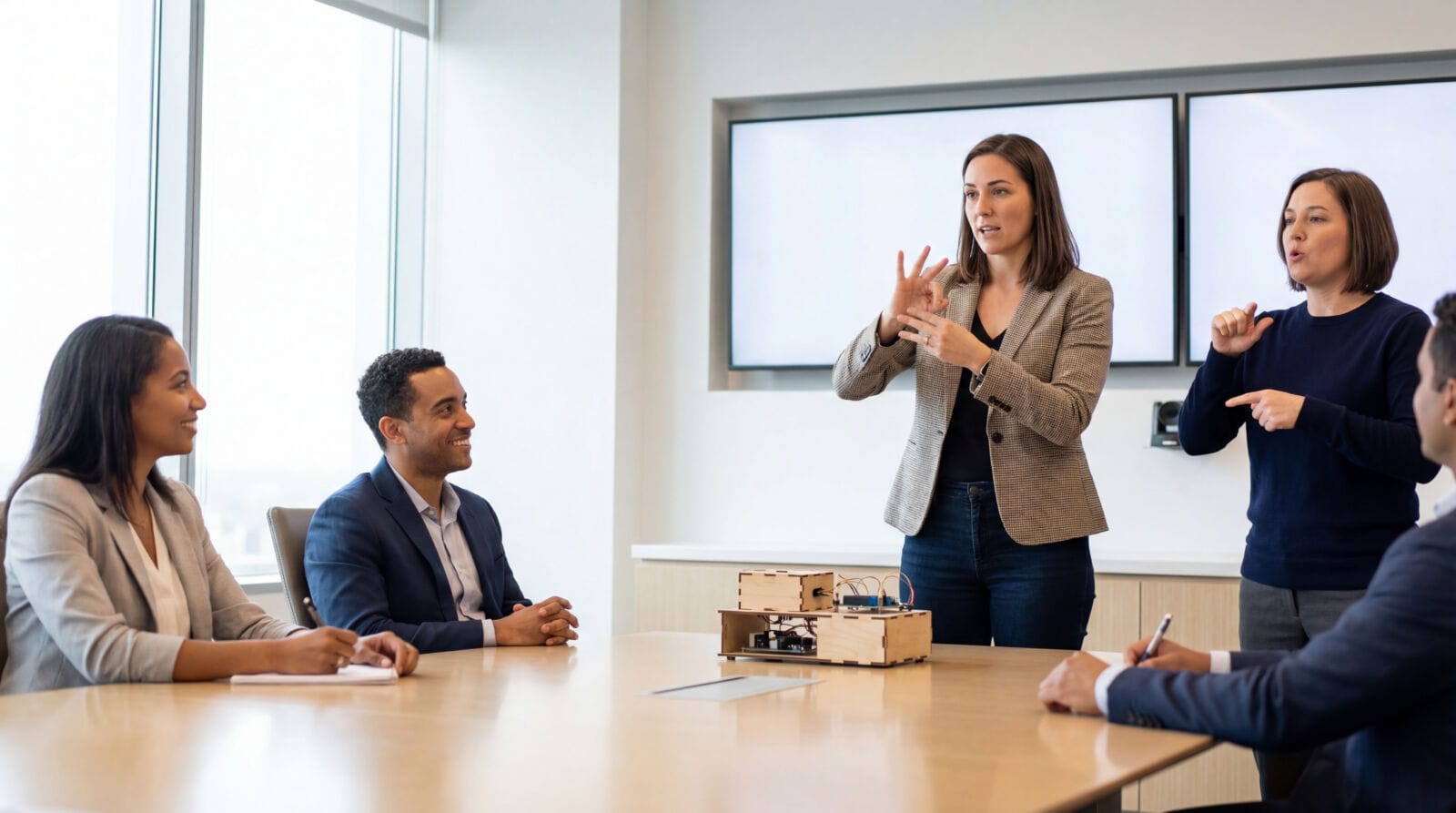
Effective communication stands at the heart of inclusivity. For Deaf individuals, having access to qualified interpreters is not just beneficial; it is a fundamental right. Whether in classrooms, hospitals, businesses, or public settings, the presence of certified American Sign Language (ASL) interpreters makes vital information accessible to all, removing barriers that would otherwise exclude the Deaf community from fully participating in society. Organizations like Interpretek play a pivotal role by making skilled ASL interpretation available where it is most needed.
ASL interpreters do much more than translate words. They convey cultural nuances, technical jargon, and emotional tone, ensuring that all parties are accurately understood and understood equally. This impact reaches into every aspect of daily life, from educational achievement to healthcare outcomes, legal proceedings, and civic engagement. Accessible and qualified interpretation is essential for realizing the promise of equal opportunity.
The critical need for professional interpreting is becoming increasingly recognized in law and policy. For example, the Americans with Disabilities Act mandates equal access, often requiring the use of certified interpreters. Yet, even with legal protections, gaps persist due to workforce shortages and inconsistent quality.
Many institutions struggle to meet these legal and ethical obligations. Without a steady supply of highly trained interpreters, Deaf individuals can face discrimination or exclusion from essential services, reinforcing social and economic inequality. Reports from the Centers for Disease Control and Prevention highlight the persistent disparities faced by individuals with hearing loss, further reinforcing the need for reliable communication solutions.
The Importance of Certified ASL Interpreters
Certified ASL interpreters serve as the bridge between hearing and Deaf people, breaking down communication barriers that often go unnoticed by the hearing majority. These interpreters undergo rigorous training and credentialing to ensure they can interpret not only ASL but also the context, intent, and register of the spoken message. Their involvement ensures that Deaf users consistently receive information with the same depth and clarity as their hearing peers, promoting a culture of inclusion rather than dependency or marginalization.
Current Challenges in ASL Interpretation
Despite growing recognition of their value, there remains a nationwide shortage of qualified ASL interpreters. This shortfall can be attributed to the lengthy training and testing process, high standards for certification, and the increasing demand for interpreters as institutions strive to meet compliance standards. The absence of certified interpreters can result in the reliance on untrained individuals, friends, or relatives, which can lead to misunderstandings, breaches of confidentiality, and, in some cases, danger.
These challenges are particularly acute in settings such as hospitals and clinics. Research has shown that without professional interpreters, Deaf patients are at higher risk for medical errors, misdiagnosis, and delayed care, as highlighted by National Institutes of Health studies on communication barriers and health disparities.
Interpretek: Bridging the Gap
Dedicated organizations have emerged to address these ongoing challenges. Interpretek is recognized as a leader in this space by consistently providing highly qualified interpreters tailored to the needs of each setting, whether in-person or via remote video services. The company upholds stringent standards in recruitment, certification, and ongoing professional development. This commitment ensures that Deaf individuals have access to interpreters who not only meet current legal standards but also reflect best practices in the field to promote true accessibility.
Interpretek’s proactive approach to interpreter quality and availability helps institutions stay compliant with accessibility laws and build trust within the Deaf community. By carefully matching interpreter skills to the context and client needs, they ensure the best possible outcome for both Deaf and hearing parties.
Data-Driven Impact of Certified Interpreters
Studies underline just how much of an impact skilled interpreters make. According to findings in the American Family Physician, Deaf individuals encounter higher rates of chronic illness and are often readmitted to hospitals more frequently than hearing patients. The integration of certified ASL interpreters directly corresponds to improved treatment adherence, satisfaction with care, and overall health outcomes, as both patients and providers are able to communicate without misunderstanding or omission.
Beyond healthcare, certified interpreters are equally crucial in education, law enforcement, and employment. When interpretation is accurate and culturally aligned, Deaf individuals excel, achieving higher educational attainment, engaging more fully in civic life, and avoiding costly legal complications that can arise from miscommunication.
Conclusion
Certified ASL interpreters play an indispensable role in making society more accessible, inclusive, and equitable for Deaf individuals. Through the efforts of organizations like Interpretek, essential communication access is no longer an aspiration but an achievable standard. Bridging current gaps in access requires continued commitment, investment in interpreter training, and adoption of best practices by all institutions serving the public.
Key Takeaways
- Certified ASL interpreters are crucial for bridging language and cultural divides in community and institutional settings.
- Shortages of interpreters hamper efforts to provide equitable services to Deaf individuals, especially in vital contexts like health care.
- Interpretek is dedicated to delivering professional interpreting solutions, enabling equitable participation for the Deaf community.
- Research supports the value of certified interpreters in driving positive, measurable outcomes wherever effective communication is essential.
Frequently Asked Questions
What is the role of a certified ASL interpreter?
A certified ASL interpreter facilitates understanding between Deaf and hearing people by translating spoken words into sign language and vice versa, while also conveying tone, intent, and nuance. They are trained to interpret accurately in a wide range of subjects and scenarios.
Why is there a shortage of certified ASL interpreters?
The shortage results primarily from the demanding requirements for certification, a rigorous credentialing process, and rapidly rising demand as awareness of accessibility requirements expands across sectors.
How does Interpretek ensure the quality of its interpreters?
Interpretek conducts robust recruitment and vetting, hiring only certified professionals who demonstrate language proficiency, cultural competence, and ongoing commitment to professional development, ensuring clients access top-tier interpretation.
What impact do certified interpreters have on healthcare outcomes?
Certified interpreters help prevent miscommunication, reduce barriers to care, and support better patient outcomes by ensuring Deaf individuals fully understand their diagnoses, treatment options, and follow-up recommendations.