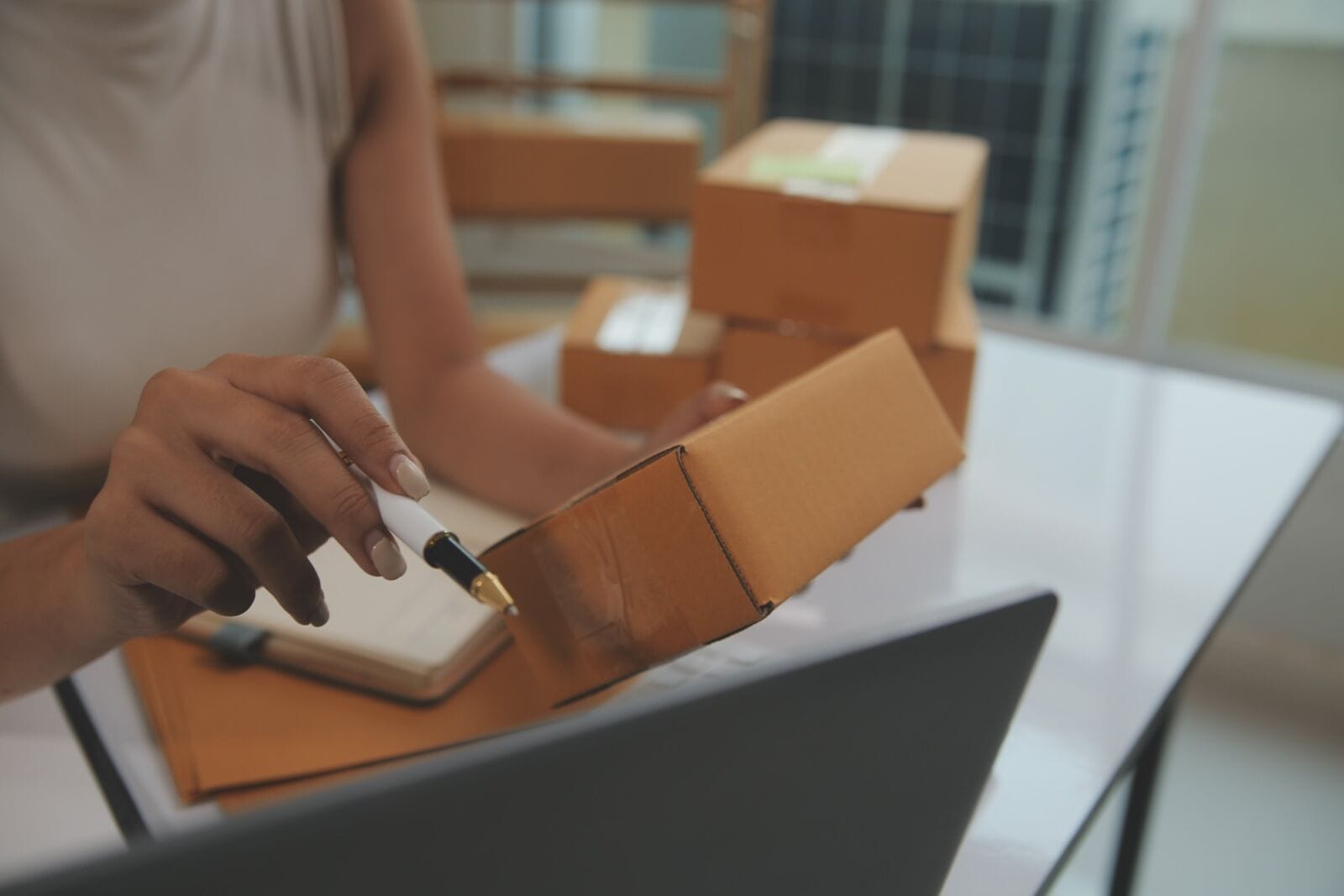
For more than a decade, packaging production steadily migrated overseas.
Lower labor costs, large-scale manufacturing hubs, and bulk efficiencies made offshore production attractive to American brands. But in 2026, that equation is changing.
From ecommerce startups to established consumer product companies, businesses across the United States are actively reevaluating where — and how — their packaging is produced.
The reason is no longer just cost.
It is control, predictability, sustainability, and long-term operational resilience.
Domestic packaging manufacturing is not simply rebounding — it is being redefined as a strategic business advantage.
Global Disruptions Forced a Strategic Reset
The past several years exposed vulnerabilities in extended global supply chains.
Freight volatility, port congestion, geopolitical uncertainty, and communication delays disrupted production timelines across industries. What many businesses once considered “minor delays” began creating significant operational bottlenecks.
Packaging — often treated as a back-end operational necessity — suddenly became a frontline risk factor.
Delayed packaging shipments resulted in:
- Missed product launches
- Lost seasonal revenue opportunities
- Inventory imbalances
- Increased warehousing costs
- Cash flow strain
For growth-focused companies, especially in ecommerce and consumer goods, packaging delays became growth delays.
Executives began asking a different question:
Is marginal overseas cost savings worth operational instability?
For many, the answer was no.
READ MORE: Here is the outlook for Phoenix’s 2026 housing market
LOCAL NEWS: TSMC Arizona preparing workers for a chips future
Why Domestic Packaging Manufacturing Is Gaining Momentum
In 2026, American businesses are prioritizing agility over pure unit-cost reduction.
U.S.-based packaging production offers advantages that extend far beyond geography:
- Faster turnaround times
- Clearer communication and oversight
- Shorter logistics cycles
- Greater quality control
- Flexible minimum order quantities
Instead of waiting 4–6 weeks for overseas production and international freight, many domestic manufacturers now deliver within 7–10 business days after final design approval.
That difference is not incremental — it is strategic.
Speed enables brands to:
- Launch products faster
- Adapt to market trends quickly
- Execute limited-edition campaigns
- Replenish inventory without overstocking
In competitive markets, speed translates directly into revenue protection and growth acceleration.
Operational Speed as a Competitive Advantage
Modern businesses operate in compressed timelines.
Product cycles are shorter. Marketing campaigns move faster. Consumer attention shifts rapidly.
Packaging suppliers that cannot keep pace become growth constraints.
Domestic manufacturers increasingly provide integrated services that support operational velocity, including:
- Structural engineering and design assistance
- Rapid prototyping
- Lower MOQs for testing
- Quick revision cycles
- Ongoing production support
For ecommerce brands, subscription companies, and emerging product lines, this flexibility reduces financial risk while supporting rapid scaling.
Packaging becomes a growth enabler rather than a logistical burden.
The Sustainability Imperative
Environmental accountability is no longer optional.
Consumers, investors, and regulators are demanding transparency in material sourcing and environmental impact.
Packaging is one of the most visible components of a company’s sustainability strategy.
Domestic production can significantly reduce transportation emissions associated with overseas freight. Additionally, U.S.-based manufacturers often adhere to stricter regulatory standards regarding material sourcing and waste management.
Businesses are increasingly seeking:
- FSC-certified paper materials
- Recyclable and biodegradable packaging
- Soy-based and low-emission inks
- Reduced material waste in structural design
Companies like Ideal Custom Boxes are helping American brands transition toward sustainable, fully customizable packaging solutions while maintaining high production standards and fast turnaround capabilities.
Sustainability is no longer just an environmental initiative — it is a reputational and operational one.
Economic Impact and Regional Growth
The resurgence of domestic packaging manufacturing also contributes to broader economic stability.
Bringing production closer to home strengthens:
- Skilled manufacturing employment
- Design and engineering roles
- Regional supply networks
- Inter-business collaboration
States with growing manufacturing ecosystems are benefiting from localized production partnerships that support both small and mid-sized enterprises.
Domestic packaging facilities foster stronger B2B relationships by reducing communication friction and enabling direct oversight — advantages often lost in extended overseas supply chains.
In an era where economic resilience is a national priority, localized manufacturing contributes to both corporate stability and regional economic development.
Risk Mitigation as a Strategic Driver
Beyond cost and sustainability, risk mitigation has become a defining factor in sourcing decisions.
International supply chains carry exposure to:
- Currency fluctuations
- Shipping volatility
- Regulatory uncertainty
- Geopolitical instability
Domestic packaging manufacturing significantly reduces these risks.
Predictable production timelines allow businesses to align packaging supply with marketing calendars and inventory forecasting more accurately.
Financially, this predictability supports:
- Better working capital management
- Reduced safety stock requirements
- Improved demand planning
- Lower emergency air-freight expenses
When viewed holistically, domestic production can deliver stronger long-term ROI despite slightly higher per-unit costs.
Mini Case Insight: Stability Driving Revenue Growth
A mid-sized U.S. consumer goods company recently transitioned from an overseas packaging supplier to a domestic partner after repeated production delays disrupted quarterly launches.
Before the switch, the company faced:
- 5–6 week packaging lead times
- Delayed product rollouts
- Inventory inconsistencies
- Seasonal revenue losses
After partnering with a U.S.-based manufacturer capable of delivering within 7–10 business days post-design approval, the company experienced:
- Faster restock cycles
- More reliable product launches
- Improved internal forecasting
- Reduced emergency logistics costs
Although unit pricing was moderately higher, improved operational consistency increased overall revenue predictability.
The company concluded that reliability generated greater long-term profitability than minimal offshore savings.
Customization as a Market Differentiator
Today’s brands demand more than generic packaging.
They require customized solutions tailored to specific industries such as:
- Ecommerce
- Luxury retail
- CBD and regulated goods
- Food and cosmetic packaging
- Subscription services
Domestic packaging manufacturers increasingly provide comprehensive customization options, including:
- Structural engineering
- Premium finishes
- Custom inserts
- Branded interior printing
- Compliance-specific packaging solutions
For companies evaluating scalable packaging strategies, reviewing full product capabilities before committing to a supplier is critical.
Explore detailed customization options here:
https://idealcustomboxes.com/products/
Customization is not cosmetic — it influences product protection, brand perception, and customer retention.
Boardroom-Level Decisions, Not Back-Office Purchases
In 2026, packaging decisions are increasingly discussed at the executive level.
CEOs and operations leaders recognize that packaging impacts:
- Brand perception
- Customer experience
- Regulatory compliance
- Supply chain stability
- Profit margins
What was once a procurement function is now a strategic discussion.
The return of U.S.-based packaging manufacturing reflects a broader business evolution — one that values resilience, agility, and sustainability over narrow cost optimization.
Final Thoughts: Stability Is the New Competitive Advantage
In a volatile global marketplace, stability is power.
Domestic packaging manufacturing offers businesses:
- Predictable production timelines
- Faster communication
- Reduced risk exposure
- Sustainable material options
- Long-term operational alignment
For companies focused on sustainable growth, bringing packaging production closer to home is not a reactionary decision — it is a strategic one.
As more businesses prioritize resilience over minimal cost savings, the return of U.S.-based packaging manufacturing is likely to accelerate.
In 2026 and beyond, the question is no longer whether domestic packaging can compete.
It is whether businesses can afford the uncertainty of relying on distant supply chains.