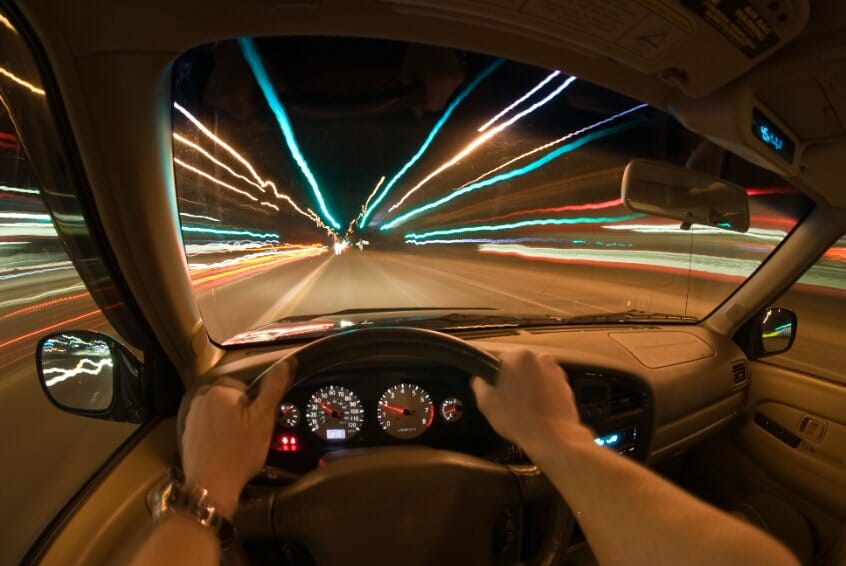
In a world where the number of vehicles on roads is continuously increasing, ensuring safety isn’t only about avoiding accidents but also about being prepared for the unforeseen. Car insurance plays a significant role in this preparation, with third-party car insurance standing out as one of the most essential and legally mandated forms. It offers crucial financial protection and contributes to a safer road environment.
MORE NEWS: Here are the 50 biggest employers in Arizona
Here we explore the role of third-party car insurance in promoting road safety, its benefits and its significance in India.
What is Third-Party Car Insurance?
Third-party car insurance, also known as third-party liability insurance (TPL), is a basic yet mandatory insurance policy that protects vehicle owners from legal and financial liabilities arising from damages or injuries caused to another person or property. Unlike comprehensive car insurance, which covers damages to your vehicle, third-party car insurance focuses on covering any harm your vehicle may cause to other people or their property.
In India, the Motor Vehicles Act of 1988 mandates that every vehicle on the road must have at least third-party car insurance. This law underscores the importance of being able to bear the financial burden of accidents that involve third parties. Insurers like Bajaj Allianz General Insurance Company offer reliable options for third-party car insurance, ensuring compliance and protection against potential liabilities.
How Third-Party Car Insurance Enhances Road Safety
While this insurance is often considered primarily for legal compliance, it contributes more meaningfully to road safety in several ways:
1. Encouraging Financial Responsibility
Having third-party car insurance makes drivers more aware of the financial implications of causing damage to others. Knowing that damages or injuries inflicted on others will be covered by insurance helps drivers understand their responsibility on the road. This awareness promotes more careful driving, as individuals know they have an obligation to prevent causing harm to others.
2. Reducing Legal Complications
Without car insurance, drivers involved in accidents with third-party damages face potential lawsuits and heavy fines and penalties. Third-party car insurance simplifies the legal process by ensuring financial support is available to cover third-party damages, minimising legal disputes and encouraging amicable settlements. This provides peace of mind to the insured driver and ensures accident victims receive timely compensation.
3. Protecting Victims of Road Accidents
Accidents can be financially devastating, especially for the victim. Third-party car insurance steps in to protect accident victims who might otherwise struggle to obtain compensation from the at-fault driver. By providing a system where victims can access compensation through the at-fault driver’s insurance, this policy type safeguards the well-being of road users and enhances overall road safety by reducing the financial burden on accident victims.
Importance of Third-Party Car Insurance for Indian Road Users
In India, where road traffic is dense and accident rates are high, third-party car insurance is especially crucial. The diverse conditions on Indian roads, from urban congestion to rural highways, increase the likelihood of accidents involving multiple parties. Given this environment, mandatory third-party car insurance policies act as a financial safety net for both drivers and accident victims.
Moreover, third-party insurance fosters a culture of accountability, making drivers more conscious of their actions on the road. By reducing the financial burden of accidents, it creates an environment where all road users are better protected, ultimately promoting a safer road ecosystem.
How to File a Third-Party Car Insurance Claim
In the unfortunate event of an accident involving third-party damages, knowing how to file a claim can streamline the process and ensure timely compensation. Here’s a brief overview of the steps to follow:
- Report to Authorities
File a police report (FIR) at the nearest police station immediately. This is a crucial document in the claims process.
- Notify the Insurance Provider
Contact your insurer and inform them about the accident. Prompt communication ensures a smoother claims process.
- Gather Necessary Documents
Collect essential documents like the FIR, driving license, registration certificate (RC) of your car, and any relevant medical bills if there were injuries.
- Submit the Claim
Submit all required documents to your insurer. They will assess the claim, contact the third party, and handle the settlement according to the policy terms.
Conclusion
Third-party car insurance isn’t just a legal formality; it’s a fundamental part of responsible driving that enhances road safety for all. Protecting drivers from financial liabilities and ensuring accident victims receive compensation, this insurance contributes to a more accountable and safer driving environment. The importance of car insurance extends beyond legal compliance, building a culture of financial responsibility and mutual care among road users.
*Standard T&C Apply
**Claims are subject to terms and conditions set forth under the motor insurance policy.
***Disclaimer: The content on this page is generic and shared only for informational and explanatory purposes. It is based on several secondary sources on the internet and is subject to changes. Please consult an expert before making any related decisions.
****Insurance is the subject matter of solicitation. For more details on benefits, exclusions, limitations, terms, and conditions, please read the sales brochure/policy wording carefully before concluding a sale.