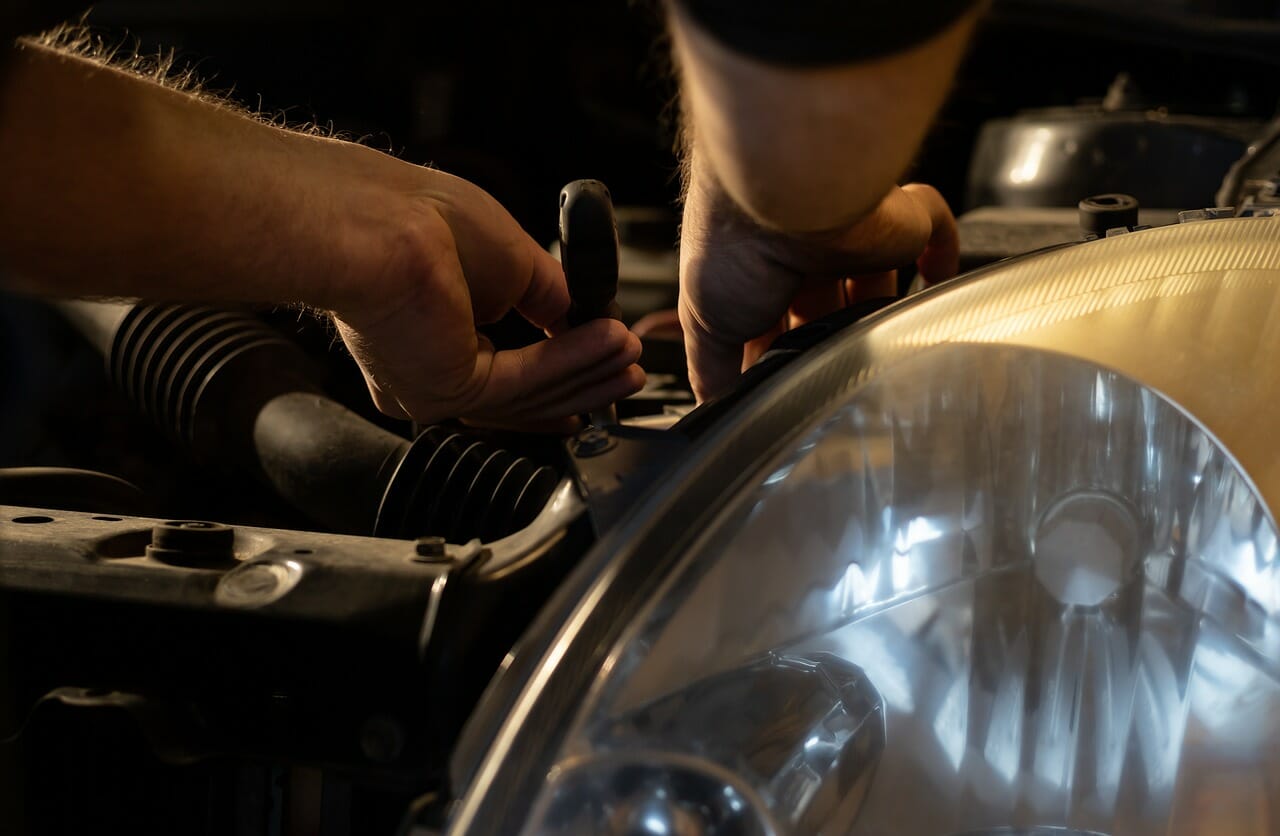
In the world of auto mechanics, it’s the tools that make all the difference in auto repair. So when you’re racing around the garage or put to the test with a tough repair, remember that performance, durability, and reliability are all within your grasp. That’s why, in some respects, pros can’t just be pros—pros, or just about anybody, for that matter, who needs reliable tools, can’t afford to settle for anything less than professional-grade tools like Husky’s, which meet the rigorous demands of daily use. So, if you’re thinking about getting a new toolkit, let’s break down the best features for mechanics looking for the best toolkit.
MORE NEWS: Rediscover Tempe with your best summer staycation yet
Durability and Build Quality
The durability of a tool is one of the first things a professional is going to examine. Auto repair frequently calls for serious torque, hard work, and tools used all day long. Some of our best-selling professional mechanics tools are forged from steel and chrome for durability, strength, and resistance to abrasion, wear, and corrosion. A tool that breaks under pressure isn’t just annoying — it can also be dangerous. Begin with lifetime warranties and strong build quality.
Precision and Fit
Accuracy is everything for close tolerance work on today’s vehicles. You want your wrenches, sockets, and screwdrivers to fit perfectly so you don’t strip out bolts or break anything fragile. Premium tools are machined to tighter clearances, with a smoother surface finish for a firmer and more consistent fit. Pros look for tools that grip onto fasteners cleanly and limit slop, which prevents both expensive mistakes and slows down the job.
Comfort and Ergonomics
Mechanics are hunched over with hand tools for long hours at a time. That’s why comfort is one of the first things to look for in equipment. If you make lots of cuts, look for tools with ergonomic grips, well-balanced weight distribution, and anti-slip surfaces to help reduce wear and tear on your hands and arms and increase control. A long handle and a fine-toothed mechanism increase leverage and ease of use in tight spaces. Comfortable tools feel good, but maintaining that comfort can also help you be more accurate and avoid repetitive strain injuries long-term.
Versatility and Modularity
A professional appreciates the multi-tool, or the tool that you can refashion. Sets with various drive sizes, extension bars, and universal joints give mechanics the flexibility to work effectively in varied conditions. Brands with modular systems, whether it’s interchangeable ratchet heads or stackable storage, score big too. One suitable tool that can do more than one job will help you save space, slash time, and save money.
Dependability in a Hostile Environment
Professional mechanics may work in hot, cold, greasy, or wet conditions. In this environment, tools must always work. Rust-preventative coatings, reversible sealed ratchets, and comfortable non-slip grips are among the features that make the tools in this line long-lasting in industrial settings. Weather resistance is not just a nice extra — it’s a necessity many times for field technicians or mobile mechanics who are working outside.
Brand Reputation and Warranty
Pros staple themselves to well-established brands that offer a consistent shooting experience and excellent customer service. Staples such as Snap-on, Matco, Milwaukee, and GearWrench have cultivated confidence in their name by providing wrenches that stand the test of time and use. Warranties are also a major selling point. Lots of them are lifetime guaranteed professional tools, which can be a safer bet in case you want to put together something for years of use. Peace of mind matters when you depend on tools to earn a living.
Efficiency and Innovation
Time is of the essence in a professional repair environment. Mechanics and other pros love tools that cut down the number of steps in a job (think ratcheting wrenches, cordless electric ratchets, or automatic wire strippers). Features such as swivel heads and flex handles increase utility while slim profiles and folding sets put tools away in tighter spaces. Mechanics want to find tools that enable them to work smarter, not harder.
Conclusion
Professional mechanics do not select tools based on price alone; they look for tools that are high quality, have good precision, and are reliable. The most important tools for mechanics are constructed to endure the physical wear and tear of daily use, designed with features that enable you to work faster, increase efficiency, and avoid damage to your vehicle and yourself. For the pros among you, or home improvement fans tired of having subpar tools, purchasing contractor-quality tools with these elite features will help you get the job done right, every time.