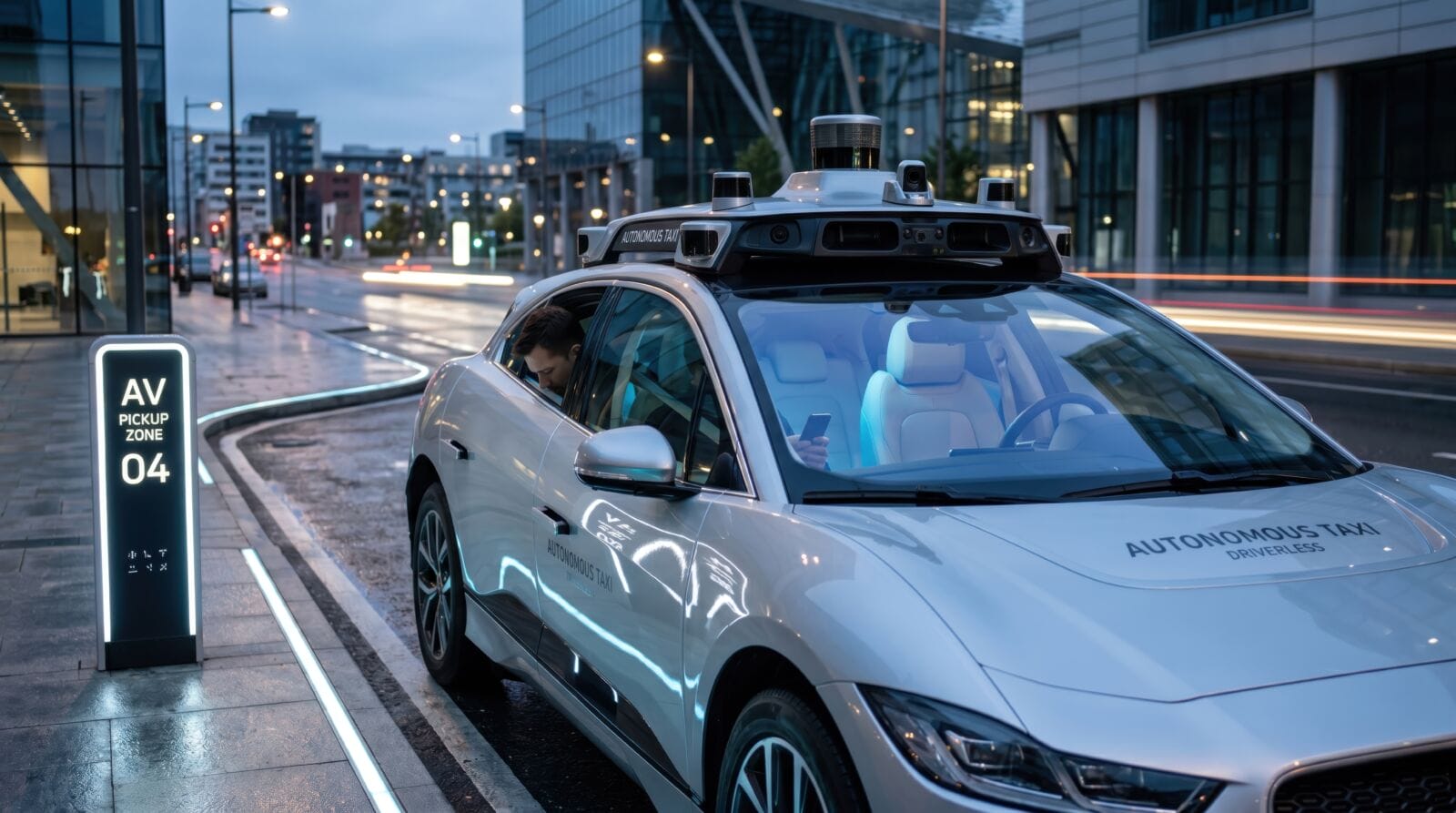
Across cities worldwide, the dream of autonomous urban mobility is fast becoming a reality. Not long ago, the idea of summoning a ride in a driverless car seemed limited to science fiction, but today, self-driving vehicles are being tested, regulated, and steadily deployed on busy urban streets. Companies such as Zoox autonomous taxi company, are pioneering cutting-edge solutions for city transportation, reshaping how passengers travel in densely populated environments.
The adoption of autonomous vehicles brings promises of improved road safety, fewer traffic jams, and expanded access to transportation for people who may have been underserved by traditional options. With collaborations spanning technology firms, automotive companies, and urban planners, the cityscape of the future is starting to take shape as regulators work to set the boundaries and standards for these innovative transit systems.
As public attitudes toward driverless vehicles evolve, the transportation ecosystem is transforming. Early adopters are sharing both challenges and wins, offering lessons for other cities and passengers on what it takes to make autonomous mobility both practical and safe. From advanced artificial intelligence to real-world deployments, the journey is a global collaboration linking business, government, and local communities.
This article explores the rapidly changing landscape of self-driving vehicles in urban settings, assessing the roles of technology, public policy, and strategic partnerships in shaping the future of mobility. Major developments and pilot programs are advancing not only passenger travel but also logistics, emergency services, and transit infrastructure itself.
Current Landscape of Autonomous Vehicles
Once restricted to controlled courses and test tracks, autonomous vehicles (AVs) now navigate some of the most complex and bustling city streets on the planet. Recent advancements have propelled self-driving cars out of laboratories and into neighborhoods, financial districts, and popular entertainment hubs. For example, in April 2026, autonomous vehicle testing expanded onto public roads in London, marking a significant step toward the potential launch of commercial robotaxi services in the city. This progress is mirrored in major cities around the globe, with government support and robust safety protocols backing these deployments.
Technological Advancements Driving Autonomy
Driving the surge in autonomous mobility are breakthroughs in sensors, machine learning, and cloud connectivity. Modern AVs are equipped with radar, LiDAR, and advanced camera systems that provide a continuous, 360-degree view of their surroundings. Vehicle onboard computers use this flood of information to make real-time decisions, mapping out safe paths, predicting the behavior of other road users, and responding instantaneously to hazards. Still, ensuring such systems are transparent and adaptable to unanticipated events remains a hurdle. Efforts to combine traditional AI expertise with deep learning are improving reliability and helping researchers develop systems that are not only smart but also trustworthy in their reasoning and decision-making.
Strategic Partnerships and Deployments
Progress in the autonomous vehicle sector is being spurred by partnerships between established automakers, technology developers, and mobility service providers. In April 2025, one notable initiative involved the testing of autonomous electric microbuses in Los Angeles, highlighting growing efforts to integrate self-driving technology into shared urban transportation systems. These pilot projects efficiently combine the automotive industry’s manufacturing expertise and safety experience with advances in software development and scalable mobility solutions. This kind of cross-industry collaboration is crucial for the rapid, safe, and sustainable rollout of AV technologies in urban areas.
Regulatory Challenges and Public Perception
The patchwork of regulatory requirements across countries and even cities creates a complex path for companies rolling out AV technology. Regulations directly influence how quickly self-driving vehicles can scale. Furthermore, a successful transition to autonomous mobility relies on winning public trust. Surveys consistently find that many people are unsure about riding in a driverless taxi, and some express wariness about sharing roads with unmanned vehicles. Ongoing community engagement and clear communication, backed by relevant safety data, are helping to shift these perceptions as more successful deployments hit the streets.
Impact on Urban Infrastructure and Planning
Integrating autonomous vehicles into urban environments does not just affect the vehicles themselves but also the physical and digital infrastructure around them. Cities must rethink how streets are designed, how traffic signals interact with AV fleets, and how to repurpose parking facilities in anticipation of a drop in personal car ownership. This shift opens the door to reimagining land use in city centers, allowing planners to consider more green spaces, walkable areas, and bike lanes. Local governments are also exploring ways to leverage data collected by AVs to enhance road maintenance and optimize traffic flow.
Future Prospects and Innovations
The evolution of autonomous mobility extends beyond cars providing taxi rides. Future plans include integrating AVs into mass transit networks, using driverless shuttles and buses as part of dynamic, adaptive routing models. Companies are testing driverless vehicles for package delivery and emergency response, broadening the societal benefits of the technology. Notably, MOIA America, in partnership with Uber, announced plans to roll out autonomous ID. Buzz vehicles on the Uber platform in Los Angeles by the end of 2026. These projects signal an era where AV technology supports both public and private transportation needs, making city transit cleaner, safer, and more efficient.
Conclusion
The arrival of autonomous urban mobility represents not only a leap in technology but a fundamental shift in how cities conceive transportation infrastructure, environmental impact, and public safety. While technical breakthroughs and major partnerships continue to drive innovation, it is clear that regulatory clarity and public engagement are equally critical to success. As urban planners, engineers, and local communities collaborate, the path to safe and efficient autonomous transit becomes more achievable, promising to reshape city life for generations to come.