Motorcycles respond differently to road and weather conditions than passenger vehicles. With only two tires maintaining contact with the pavement, riders have less room for error when traction, visibility, or stability suddenly changes.
In Bismarck and across North Dakota, motorcyclists may encounter strong winds, spring gravel, summer construction, heavy rain, temperature shifts, and damaged pavement. Understanding how these conditions affect a motorcycle can help riders make safer decisions before and during a trip.
Wet Pavement Reduces Traction
Rain can make braking, turning, and accelerating more difficult. Roads may be especially slippery when rain first begins because water can mix with oil, dust, and other residue on the pavement.
Painted lane markings, metal covers, bridge surfaces, and railroad crossings may also become slick when wet. Riders should reduce speed, increase following distance, and avoid sudden braking or sharp steering movements.
Standing water creates another hazard. A motorcycle can lose contact with the road when its tires cannot move water away quickly enough. Riders should avoid flooded areas and reduce speed before reaching visible water.
Strong Winds Can Affect Stability
North Dakota’s open roads can expose riders to strong crosswinds and sudden gusts. Wind may push a motorcycle sideways, particularly when passing large trucks, emerging from protected areas, or crossing open stretches of highway.
A rider may need to adjust lane position while maintaining enough space from nearby traffic. Speed should be reduced when gusts make it difficult to hold a steady path.
Large commercial vehicles can also create air pressure changes. A rider may first be pushed away from a truck and then pulled toward it while passing. Allowing additional space can reduce the risk of losing control.
Gravel and Debris Can Be Difficult to See
Loose gravel, sand, leaves, construction material, and other debris can reduce tire grip. These hazards are often more dangerous in curves, intersections, and areas where a rider must brake or lean.
Gravel may accumulate along road shoulders, near construction zones, or after winter maintenance. Potholes and broken pavement can also become more common after freezing and thawing cycles.
Riders should scan farther ahead, reduce speed before reaching the hazard, and keep the motorcycle as upright as possible when crossing unstable surfaces.
Reduced Visibility Creates Risks for Everyone
Fog, rain, smoke, glare, and low light can make motorcycles harder for other drivers to see. At the same time, riders may have difficulty identifying potholes, standing water, debris, or vehicles entering the roadway.
Motorcyclists can improve visibility by using functioning headlights, wearing reflective or high-visibility gear, and avoiding prolonged travel in another vehicle’s blind spot.
Drivers should check mirrors and blind spots carefully before changing lanes or turning. A motorcycle’s smaller profile can make its speed and distance more difficult to judge.
Cold Temperatures Affect Tires and Riders
Cold pavement and cold tires may provide less grip than warmer conditions. Riders may also experience reduced concentration or slower physical reactions when exposed to low temperatures for extended periods.
Proper clothing, gloves, boots, and protective equipment can help riders remain comfortable and responsive. Before leaving, riders should inspect tire pressure, tread, brakes, lights, and fluid levels.
Temperature changes may also create isolated ice in shaded areas, on bridges, or in low-lying sections of road. Conditions that appear manageable in one location may be very different several miles away.
Construction Zones Require Extra Attention
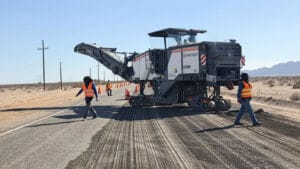
Construction areas can introduce uneven lanes, loose material, steel plates, narrow traffic patterns, and sudden stops. Lane markings may be temporary or difficult to follow, while larger vehicles may limit a rider’s view.
Motorcyclists should reduce speed, avoid abrupt maneuvers, and leave additional space behind other vehicles. Riders should also watch for workers, equipment, and vehicles entering the road unexpectedly.
Planning Before the Ride Matters
Checking the forecast and current road conditions can help riders avoid unnecessary risks. A route that is safe in dry weather may be less suitable during heavy rain, high winds, or construction.
Riders should consider postponing a trip when conditions exceed their experience or comfort level. Choosing a safer route or waiting for conditions to improve is often better than trying to complete the ride as planned.
When Road Conditions Contribute to a Crash
After a motorcycle accident, evidence about the road and weather may help explain what happened. Useful information can include photographs, video, witness statements, weather reports, construction records, police reports, and images of gravel, potholes, standing water, or missing warnings.
Responsibility may depend on several factors, including rider behavior, another driver’s actions, maintenance practices, and whether a known hazard was properly addressed.
For someone injured in or surrounding the North Dakota area, speaking with a Bismarck Motorcycle Accident Lawyer can help clarify which evidence may be relevant.
Lowe Law Group assists people injured in serious motorcycle accidents and can provide guidance when road conditions, driver conduct, medical treatment, and insurance questions overlap.
Final Thoughts
North Dakota’s roads can present motorcyclists with rapidly changing conditions. Rain, wind, gravel, cold pavement, poor visibility, and construction can all affect traction and control.
Careful preparation, appropriate speed, greater following distance, and continuous awareness can help riders respond safely when conditions change.