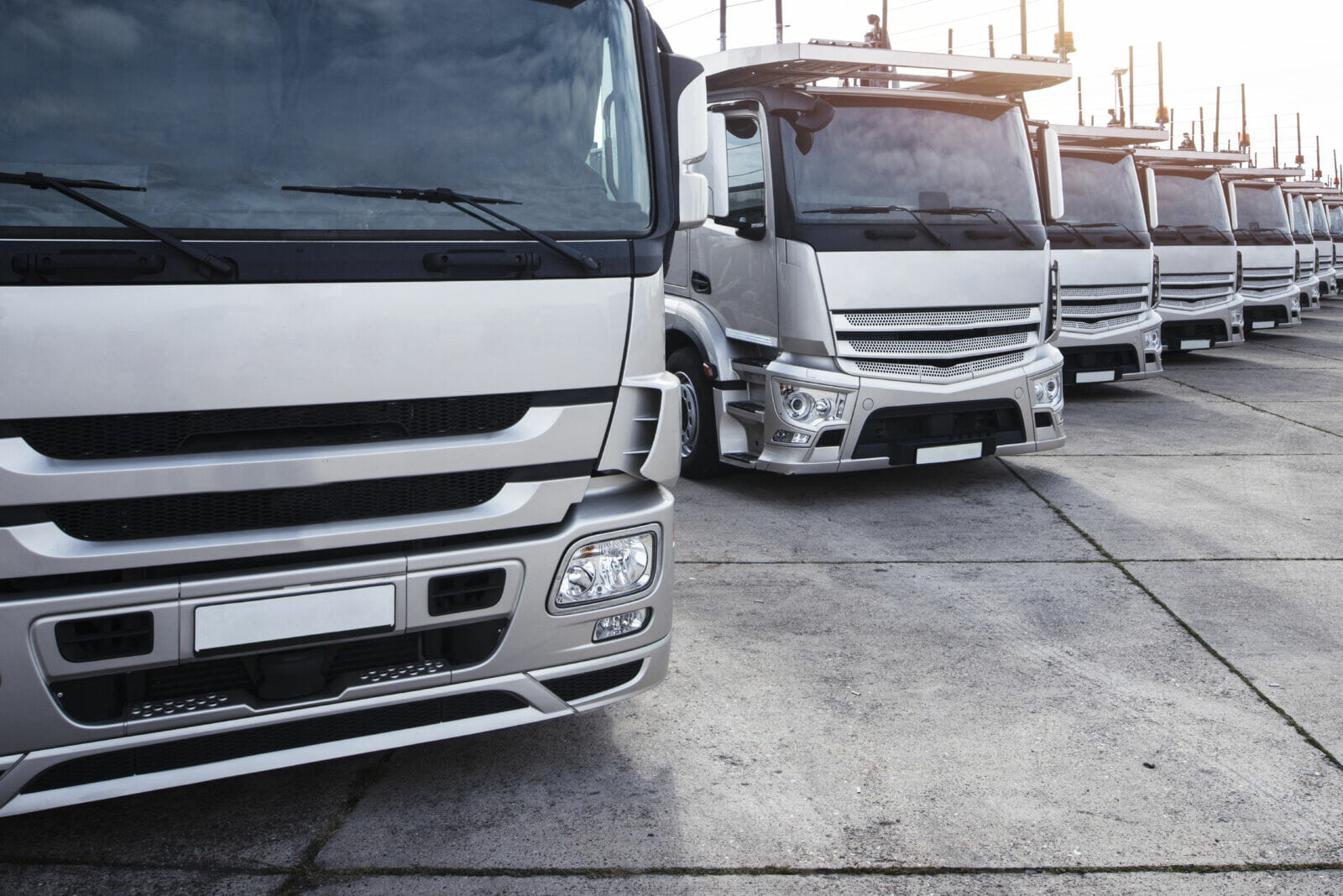
Fleet management has always required careful planning, but in recent years, many companies have begun replacing their older vehicles far sooner than anticipated. What was once a predictable schedule has shifted into a more dynamic, fast-paced approach shaped by rising costs, new technologies and changing business needs. Understanding why this shift is happening can help organizations make smarter long-term decisions for their own fleets.
Rising Maintenance Costs Are Harder to Ignore
Older vehicles often require more repairs, more frequent servicing and more time off the road. For companies that rely on constant mobility, even short periods of downtime can become expensive. Many fleet managers have realised that the cost of maintaining aging vehicles quickly outweighs the investment in newer, more reliable models. Predictability is valuable and newer fleets help prevent unexpected operational disruptions.
For organisations reviewing their fleet strategy, newer models can offer better reliability, improved performance and long-term savings. Businesses exploring options often start by looking at dealerships such as Midwest Kia, where they can review modern models and compare features with existing vehicles, and some teams even search for cars for sale Wichita KS in the same research stage to assess availability and pricing in their region.
Fuel Efficiency Is Now a Serious Competitive Advantage
Fuel prices fluctuate, but they rarely fall enough to make inefficient vehicles a smart choice. Modern models use far less fuel thanks to improved engines, lighter materials and smarter systems that optimize performance. For logistics companies, service businesses and sales teams, this reduction makes a significant impact. A fleet upgrade can translate into long term savings that benefit both profitability and sustainability goals.
LOCAL NEWS: 10 things you may not know are manufactured in Arizona
INDUSTRY INSIGHTS: Want more news like this? Get our free newsletter here
New Safety Standards Are Raising Expectations
Safety technology has advanced quickly. Features like automatic emergency braking, collision alerts, adaptive cruise systems and 360 degree cameras used to be optional. They’re now considered basic requirements for companies that want to protect their drivers and reduce liability risks. Many older vehicles simply cannot be retrofitted with this level of safety, making replacements the most sensible option.
Telematics and Tracking Require Modern Compatibility
Businesses increasingly rely on digital tools to monitor routes, fuel usage, driver behavior and maintenance alerts. These systems work best with up-to-date vehicles designed for seamless integration. Companies that want clearer data and improved decision making find that replacing old models provides an immediate upgrade in efficiency and visibility, especially across large fleets.
Environmental Responsibilities Are Reshaping Policies
More organizations are adopting eco-friendly goals or responding to regulations that encourage cleaner transport. Newer vehicles produce fewer emissions and many offer hybrid or electric options. Whether for public image, compliance requirements or genuine commitment to sustainability, companies are accelerating their shift toward cleaner fleets.
Employee Expectations Are Higher Than Before
Drivers spend hours in their vehicles, so are increasingly vocal about comfort, technology and reliability. Comfortable cabins, reduced noise, better climate systems and advanced connectivity support productivity and morale. Companies that want to retain skilled staff recognize that a modern fleet makes work easier and more appealing.
Resale Value Is Stronger for Newer Vehicles
The resale market has changed. Companies can often recover more value by selling vehicles earlier in their lifecycle rather than waiting until they’re expensive to maintain and harder to sell. This shift helps offset the cost of frequent renewals.
Fleet Upgrades Support Brand Reputation
A company’s vehicles are often the first thing that clients or the public see. Clean, modern and efficient fleets create a professional image. Outdated models can send the opposite message. Upgrading sooner helps businesses maintain a strong presence and consistent branding.
Replacing old fleets ahead of schedule is no longer unusual, it’s a strategic move shaped by efficiency, safety and the need to stay competitive. Companies that adapt quickly often find that their investment pays back through lower costs, happier employees, and smoother operations.