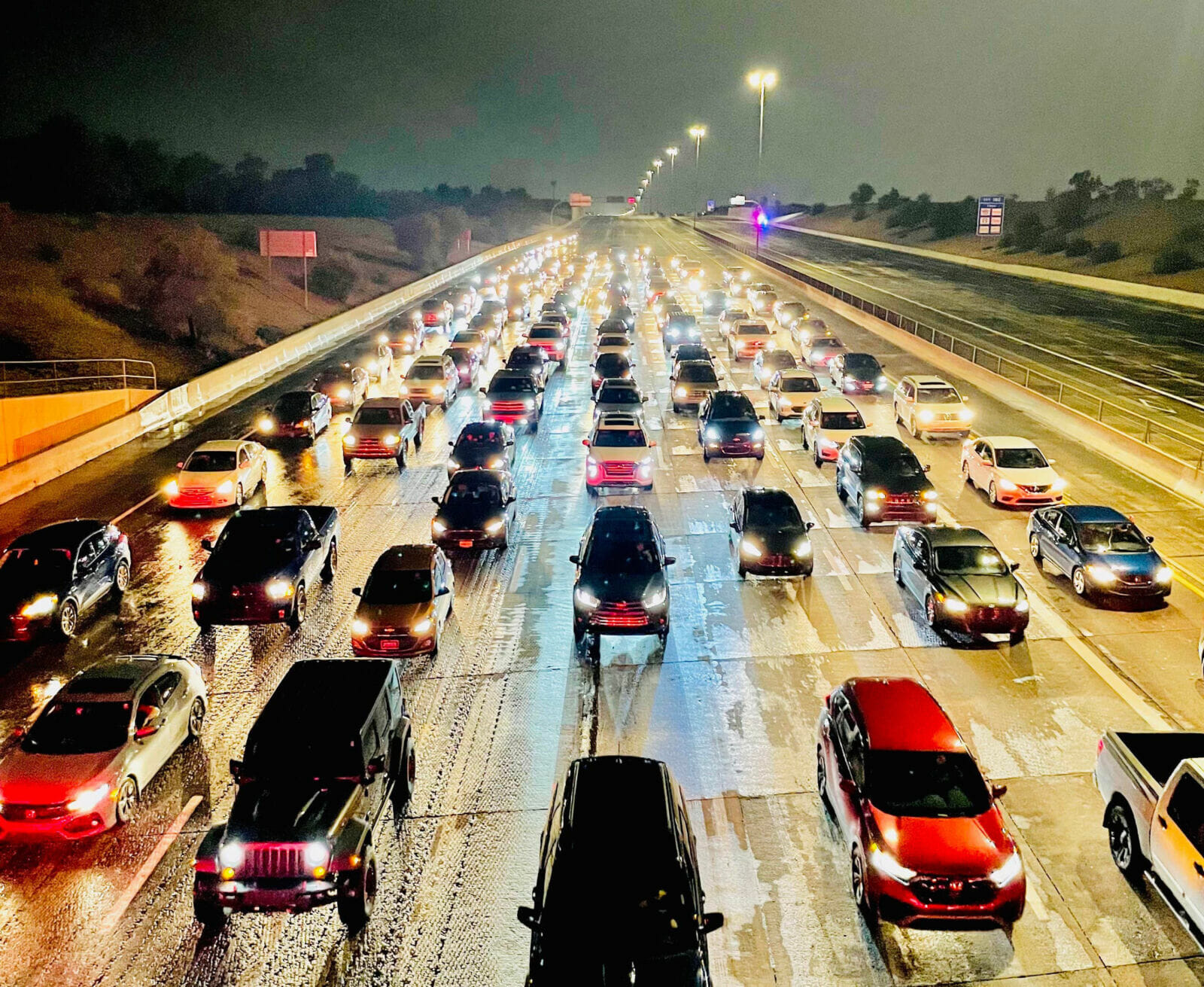
Automobile safety in the United States continues to raise difficult questions for drivers and families alike. After a serious crash, many people instinctively search for a “car accident lawyer near me,” a reaction that reflects how quickly concerns about safety shift into urgent legal realities. The troubling truth is that accident rates are influenced by more than individual mistakes. Broader systemic issues such as regulatory gaps, inconsistent enforcement, infrastructure challenges, and shifting vehicle design priorities all play a role. When these factors converge on busy roadways, the risks increase dramatically. For those seeking legal guidance, understanding why these safety shortcomings persist is an important first step toward protecting their rights and evaluating potential claims.
These nationwide concerns are reflected at the local level in Rancho Cucamonga, a growing community shaped by commuter traffic, commercial transport, and expanding residential development. Positioned along major Southern California corridors, the city experiences steady vehicle flow that can magnify the risks tied to outdated infrastructure, aging vehicles, and high-speed travel. As traffic density increases, even small safety gaps can lead to significant harm. For residents facing the aftermath of a crash, examining how broader safety shortcomings intersect with conditions in Rancho Cucamonga is a crucial step toward pursuing informed legal action.
Vehicle Design and Manufacturing Choices
US-based automobile makers often prioritize selling aspects of a vehicle that attract buyers, such as size or speed, over safety features. Some larger vehicles do not have sufficient crash prevention technologies. Many countries, on the other hand, require advanced safety systems to be installed in all vehicles. These differences affect how well vehicles protect their occupants during an accident.
Regulatory Gaps and Enforcement Issues
Government agencies create regulations to ensure vehicles are safe. However, enforcement sometimes lacks consistency. Certain regulations are not in line with global standards. Sometimes safety laws take so long to update that a new protection never gets to the drivers who need it. These failures allow unsafe vehicles to enter the market, thereby increasing risks for everyone.
Driver Behavior and Attitudes
One of the most important factors that impacts accident risk is the behavior of the drivers. Many Americans engage in high-risk behaviors while driving, such as speeding or using mobile devices. Despite public awareness campaigns, distracted driving results in countless crashes. The problem also stems from social attitudes toward safe driving, with some drivers failing to recognize the risks of reckless actions.
Road Infrastructure and Maintenance
Well-designed and maintained roads lay the foundation for safe road travel. In some regions, roads do not receive timely repairs, which creates more hazardous conditions. Poor road signage, faded lane markings, and insufficient lighting can make driving more dangerous. Infrastructure that does not support safe driving can lead to more accidents.
Vehicle Age and Maintenance
Many people drive older vehicles that lack modern safety features. Modern vehicles have many life-saving technologies available, like automatic emergency braking or lane departure warnings. But new improvements take a while to trickle down to all drivers, particularly those with limited budgets. Inadequate maintenance also contributes to breakdowns and malfunctions, which can eventually cause accidents.
Cultural Factors and Social Influence
Many communities have come to expect people to drive larger cars, even when smaller vehicles would be safer for certain conditions. Advertisements often highlight performance and luxury, but not protection. These influences have an effect on the types of vehicles individuals buy.
Public Transportation Challenges
When public transport facilities are limited, an increasing number of people rely on personal vehicles. More cars on the road means more traffic, which increases the likelihood of crashes. Encouraging people to use safer and accessible alternatives can reduce the number of cars on the road, which, in turn, decreases the risks of accidents.
Conclusion
Automobile safety in the United States faces many challenges, including vehicle design, driver behavior, and enforcement gaps. Manufacturers, lawmakers, and communities all need to work together to address these factors. Through increased standards and better roads and driving habits, travel can be safer for all. Each improvement brings us closer to roads where safety is the norm, not the exception.