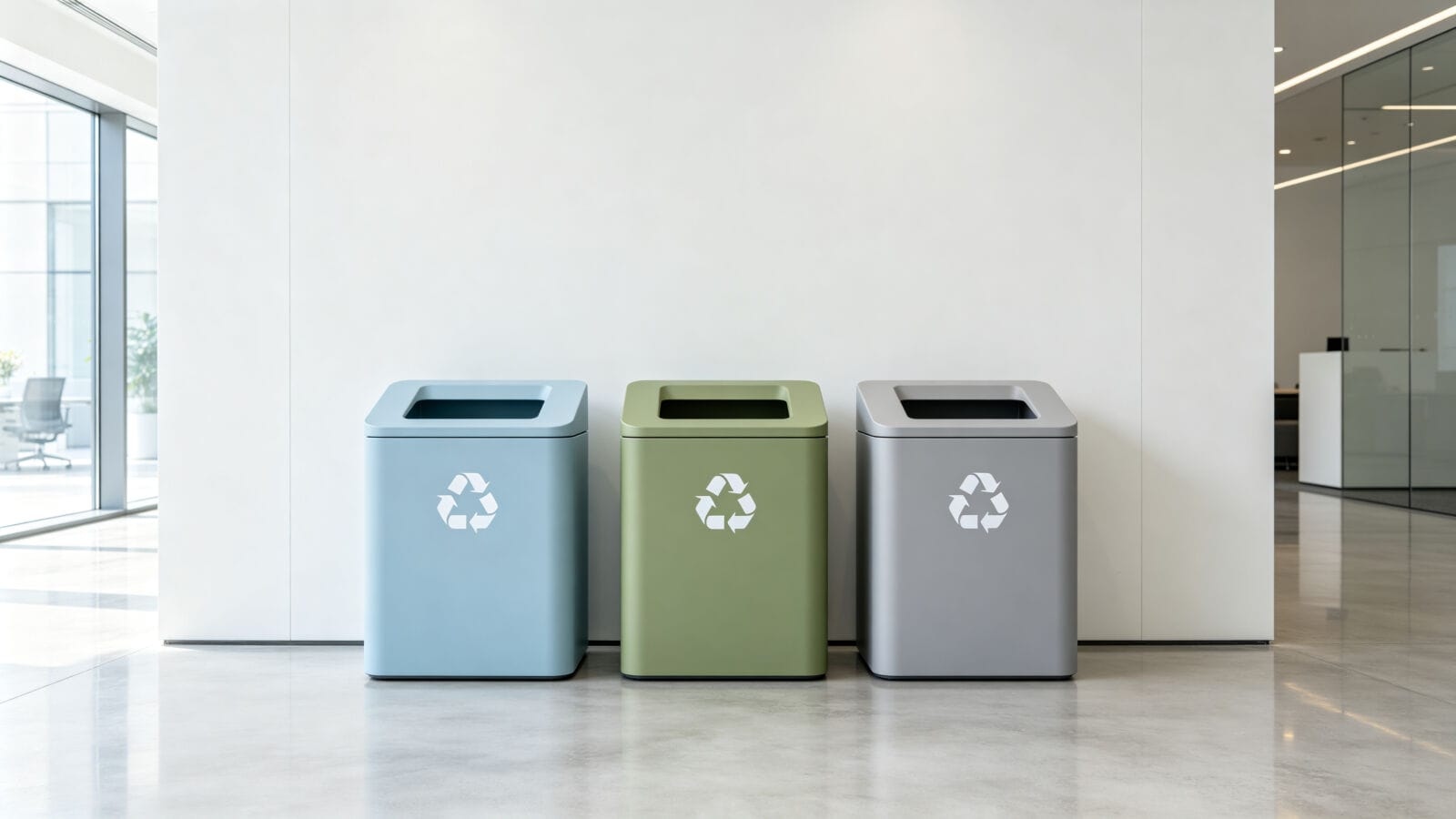
Trash management probably isn’t the first thing that comes to mind when you think of commercial property ownership, but it’s an issue that shapes daily operations, tenant experience, and even a building’s long-term value.
Whether you manage a bustling retail plaza or an office complex in the Arizona heat, overlooking the complexities of solid waste can lead to unexpected costs, unhappy tenants, or even regulatory headaches. For commercial landlords, understanding responsibilities around trash doesn’t just keep things tidy: it sets the standard for professional property management.
Landlord Responsibilities: Setting Clear Expectations
Every lease should spell out who is responsible for trash and recycling, but the details matter. Is waste collection included in Common Area Maintenance (CAM) fees, or do tenants contract this service separately? Who handles recycling, hazardous materials, or bulky item pickup? It might seem simple, but these questions come up all the time, especially as tenants change and local regulations evolve.
In many multi-tenant settings, landlords take the lead by sourcing professional cleaning services, designing enclosures, and allocating costs across tenants as a CAM line item. That approach makes trash pickup more efficient, helps with bulk pricing, and keeps everything in line with local regulations. Still, because tenants in Arizona often change frequently, landlords need flexible lease terms so they can update cost sharing and allocation whenever there’s a new occupant.
Infrastructure: Enclosures, Access, and Location-Specific Concerns
Successful waste management begins with site planning. Some key factors to consider include:
- Container Convenience: Place dumpsters where tenants can reach them, but make sure collection trucks have clear, easy access.
- Space Challenges: Account for limited space in office parks or retail plazas when deciding where and how many containers to place.
- Heat and Odor Control: Plan for Arizona’s extreme heat by ensuring enclosures are ventilated and that waste is removed promptly to prevent odor, especially in summer.
- Gate and Pad Design: Install gates wide enough for haulers to safely and quickly service the dumpsters without blocking traffic.
- Security: Use enclosures that are locked or monitored to prevent illegal dumping and keep the area looking clean.
Planning ahead means setting up systems that will make the process of managing waste management much easier and more compliant for years to come.
Lease Language and CAM Allocations
Transparent lease clauses related to trash can reduce headaches and disputes down the road. Commercial landlords should clearly outline which waste containers are shared, which are exclusive to certain businesses, and how costs are divided.
However, this is often not a one-time task, but rather an evolving process that adapts to changing regulations and tenant composition. That’s especially the case for CAM allocations and escalation clauses, which must keep up with increasing disposal rates and fluctuating waste volumes. Regular review of your waste agreements, especially in high-turnover markets like Arizona, helps ensure tenant and legal compliance.
Handling Move-Outs, Bulk Items, and Peak Seasons
Tenant transitions in Arizona can be rapid and unpredictable. And, besides the paperwork involved, including contracts changes and finances, you also need to account for the impact on trash management.
Move-outs usually generate significant bulk waste. Think office furniture, shelving, retail displays, and seasonal inventory clear-outs, for example. Planning for extra hauls during lease expirations or after holidays is part of a landlord’s core duties. Contracting with haulers for on-demand bulk pick-up and communicating clear policies to tenants minimizes last-minute scramble and keeps loading areas accessible.
Container Types, Sizing, and Service Schedules
Choosing the right waste containers can make or break operational efficiency. Generally, front-load dumpsters are common for office buildings and strip malls, while rear-load units may better fit constrained layouts or smaller retail tenants.
Sizing must be based on tenant mix, average waste volume, and local collection minimums: oversized bins can waste space and budget, but undersized containers quickly lead to overflow and odor complaints in Arizona’s heat. If you are in doubt, working with commercial trash removal solutions providers can help you better understand your needs and create tailored offers for different container types, scheduling options, and industry best practices.
Setting the Gold Standard for Waste Management
As a commercial landlord, it is key to understand that trash isn’t just an operational detail: it’s an essential part of management, tenant care, and business reputation. By designing flexible infrastructure, using transparent lease terms, and selecting smart commercial trash removal solutions, property owners can keep their buildings running smoothly through every season.
For more practical insights on managing commercial properties efficiently, explore the latest guides from AZ Big Media and stay ahead of changing market realities.