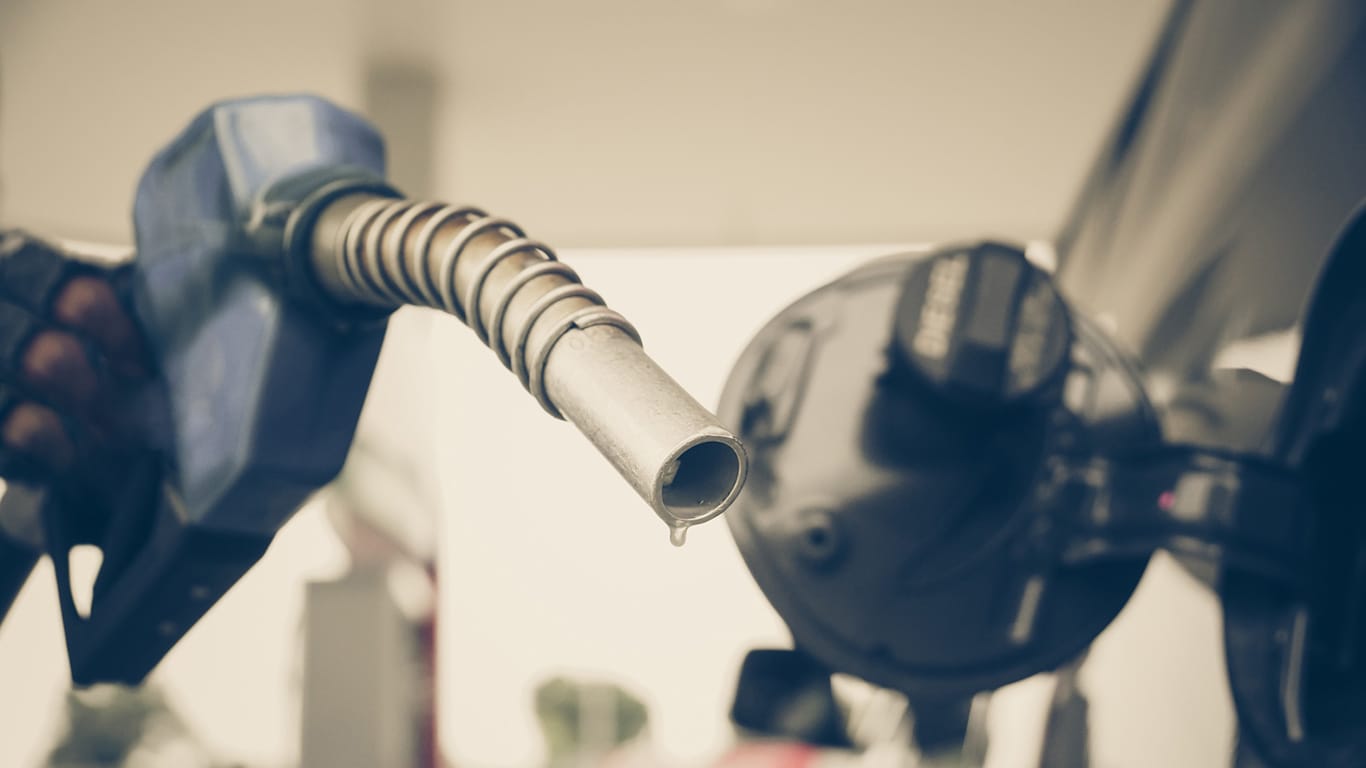
Developing a modern gas station involves much more than installing fuel pumps and building a convenience store.
These projects combine commercial construction, petroleum infrastructure, environmental controls, traffic planning, utility coordination, safety requirements, and local permitting. A mistake in any one of these areas can delay the project, increase costs, or create operational problems after opening.
For developers, the most successful projects begin with careful planning long before construction starts.
Start With the Right Site
Site selection affects nearly every part of the project.
A gas station needs convenient vehicle access, strong visibility, sufficient traffic volume, and enough space for safe circulation around pumps, parking areas, delivery zones, and the convenience-store building.
Developers should evaluate:
- Traffic counts
- Road access
- Turning movements
- Nearby intersections
- Lot dimensions
- Zoning
- Utility availability
- Environmental conditions
- Stormwater requirements
- Neighboring properties
The site should also be large enough to accommodate tanker-truck deliveries without creating conflicts with customer traffic.
A property that appears suitable from a retail perspective may become difficult to develop if fuel-system layout, drainage, setbacks, or environmental requirements are not considered early.
Understand Zoning and Permitting Requirements
Fueling facilities are subject to more regulatory oversight than many standard retail projects.
Local zoning rules may regulate:
- Fuel sales
- Signage
- Canopy height
- Lighting
- Operating hours
- Traffic access
- Setbacks
- Landscaping
- Stormwater management
Additional permits may be required for underground tanks, fuel piping, dispensers, fire protection, electrical systems, and environmental controls.
Developers should identify these requirements before finalizing the project schedule.
Permit delays can affect financing, equipment orders, contractor scheduling, and opening dates.
Plan the Fuel System Early
The petroleum system should be integrated into the overall site design from the beginning.
Important decisions include:
- Number of underground storage tanks
- Tank capacities
- Fuel grades
- Dispenser locations
- Piping routes
- Monitoring equipment
- Fill locations
- Vent systems
- Leak-detection systems
Fuel demand should be estimated carefully.
Installing too little capacity may create frequent fuel deliveries, while excessive capacity can increase construction costs unnecessarily.
Developers should also think about future needs. A location that initially sells only gasoline and diesel may later add alternative fuels, additional dispensers, or expanded commercial fueling.
Coordinate Petroleum and General Construction Work
Gas station projects require coordination between several specialized trades.
Typical participants may include:
- Civil engineers
- Site contractors
- Petroleum contractors
- Electricians
- Plumbers
- Concrete contractors
- Environmental consultants
- Canopy installers
- Building contractors
- Equipment suppliers
Many systems overlap physically.
For example, underground fuel piping must be coordinated with utilities, drainage structures, electrical conduits, foundations, and paved areas.
Poor sequencing can cause expensive rework.
A clear construction schedule should identify when tanks, piping, utilities, concrete, dispensers, and building systems need to be installed.
Choose a Contractor With Fuel-System Experience
Petroleum construction is a specialized field.
A general commercial contractor may understand buildings, paving, and site work but may not have the experience needed to manage underground tanks, fuel piping, dispensing systems, leak detection, and petroleum-specific regulations.
Developers selecting a gas station contractor should look for experience coordinating both the construction and petroleum-infrastructure portions of the project.
Relevant experience can reduce problems involving:
- Tank installation
- Fuel-system testing
- Environmental controls
- Dispenser setup
- Equipment coordination
- Permitting
- Inspection requirements
- Construction sequencing
A contractor familiar with fuel facilities is also more likely to anticipate issues before they affect the project schedule.
Design Traffic Flow Carefully
Vehicle circulation is one of the most important elements of gas-station design.
Customers should be able to enter, fuel, park, visit the convenience store, and leave without unnecessary conflicts.
The layout must also accommodate fuel-delivery trucks.
Poor circulation can create:
- Congestion near pumps
- Difficult turning movements
- Delivery conflicts
- Unsafe pedestrian routes
- Blocked entrances
- Long queues
Developers should consider how the site will function during peak periods rather than designing only for average traffic.
Larger sites may also need dedicated areas for commercial vehicles or separate diesel fueling.
Plan for Environmental Protection
Fueling facilities require strong environmental safeguards.
Underground storage tanks and fuel-delivery systems should include appropriate leak-detection and containment systems.
Developers may also need to address:
- Soil conditions
- Groundwater
- Spill containment
- Stormwater runoff
- Vapor-control systems
- Contaminated-soil procedures
- Tank monitoring
Environmental planning is particularly important when redeveloping an older fueling site.
Previous tanks or historical releases may require investigation or remediation before new construction begins.
A Phase I or Phase II environmental assessment may be necessary depending on the property and project history.
Integrate Stormwater Management Into the Design
Gas stations contain large paved surfaces.
Fueling areas, parking lots, roofs, and access drives all contribute to stormwater runoff.
The drainage system must be designed to manage water while reducing the risk of pollutants entering storm drains or nearby waterways.
Design elements may include:
- Catch basins
- Oil-water separators
- Grading controls
- Retention or detention systems
- Drainage channels
- Specialized pavement areas
Stormwater requirements can significantly influence site layout, so they should be addressed early rather than treated as a final engineering detail.
Coordinate Electrical Requirements
Modern fueling facilities depend heavily on electrical infrastructure.
Power is required for:
- Fuel dispensers
- Tank-monitoring equipment
- Canopy lighting
- Convenience-store systems
- Signage
- Security equipment
- Refrigeration
- Point-of-sale systems
Electrical design around petroleum equipment also requires additional attention because certain areas may be classified as hazardous locations.
Equipment, conduit, wiring, and installation methods must comply with applicable requirements.
Early coordination between petroleum and electrical contractors helps avoid conflicts.
Think Beyond Traditional Fueling
Gas stations are evolving.
Many new developments combine traditional fuel sales with:
- EV charging
- Larger convenience stores
- Food-service operations
- Car washes
- Commercial diesel
- Alternative fuels
Developers should consider whether the site can support future expansion.
Adding electrical capacity or reserving space for EV charging during initial construction may be easier and less expensive than retrofitting the property later.
Flexible site planning can help extend the useful life of the development.
Convenience-Store Design Matters Too
The retail portion of the property can be as important financially as the fuel operation.
Store design should consider:
- Customer flow
- Visibility from pumps
- Parking
- Deliveries
- Food-service areas
- Refrigeration
- Restrooms
- Storage
- Security
The relationship between the store and fuel canopy should also be carefully planned.
Customers should have a direct and safe path between fueling areas and the building.
Build Testing and Inspections Into the Schedule
Petroleum systems typically require several inspections before the facility can open.
Testing may include:
- Tank testing
- Fuel-line testing
- Leak-detection verification
- Dispenser testing
- Electrical inspection
- Fire-safety inspection
- Environmental compliance checks
These steps should be included in the construction timeline.
Waiting until the end of the project to coordinate inspections can delay opening even if the physical construction is complete.
A Successful Project Depends on Early Coordination
Gas station development brings together several complex systems in a relatively small footprint.
Fuel infrastructure, civil construction, electrical work, environmental controls, retail operations, and traffic design all have to work together.
The biggest problems often occur when these systems are planned separately.
Developers who involve experienced engineers, petroleum specialists, and contractors early can identify conflicts before construction begins.
That planning can reduce change orders, limit delays, and create a safer and more efficient facility.
A modern gas station is ultimately both a retail development and a specialized infrastructure project. Treating it as both from the beginning gives developers a much stronger foundation for long-term success.