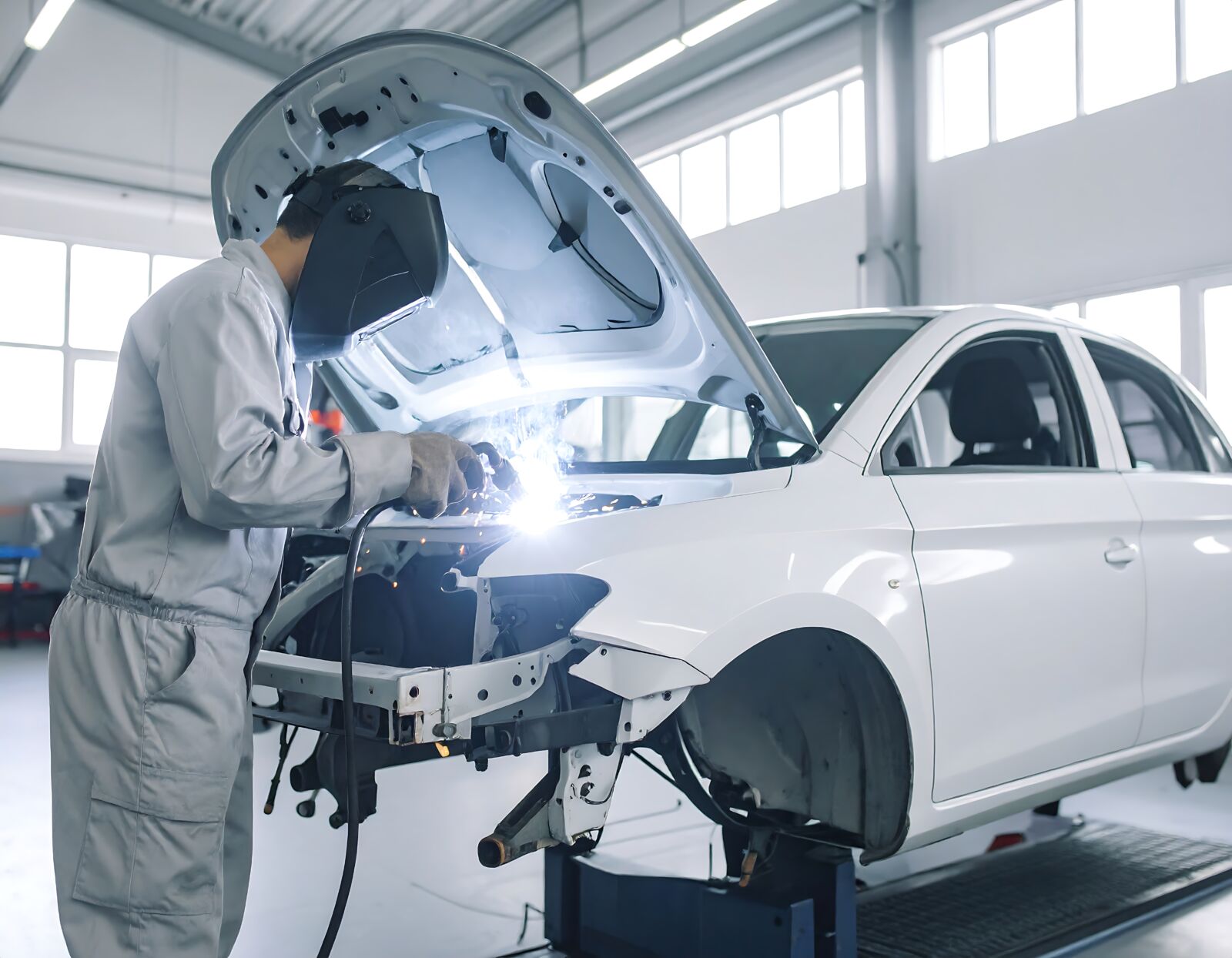
Owning a business in the automotive sector offers a rare combination of stability and long-term customer demand. Drivers depend on their vehicles daily to reach work, run errands, and manage family schedules. Even when economic conditions shift, routine vehicle care remains a high priority for car owners. Local entrepreneurs frequently turn to automotive services as a practical path toward building a lasting enterprise.
Consistent Demand in Everyday Transportation
Personal transportation remains a fundamental daily necessity for millions of motorists across the country. Entrepreneurs evaluating an auto body shop franchise tap into a continuous flow of drivers who need reliable collision and paint services. Dents, scratches, and minor fender benders occur regularly regardless of wider economic trends. This steady customer demand keeps service facilities active throughout every season of the year.
Vehicle owners view structural and body repairs as necessary investments to keep primary vehicles operable. When a car suffers body damage or paint deterioration, fixing the issue becomes an immediate priority for the driver. Local repair shops deliver the trusted services that keep everyday commuters moving safely.
Commercial fleet operators depend heavily on prompt repair centers to minimize vehicle downtime. Service providers that deliver fast turnaround times secure lucrative commercial accounts that generate repeatable cash flow.
Aging Vehicle Fleets Drive Service Needs
Cars on American roads stay in active operation much longer than in previous decades. Data from global market research shows vehicles older than 8 years make up over 60 percent of all automobiles, with the average U.S. vehicle age sitting at 12.5 years. Drivers choose to maintain current cars rather than take on expensive new car loans.
Older automobiles require frequent upkeep, panel repairs, and cosmetic refreshers to stay presentable and safe. As vehicle ages increase, maintenance requirements expand in frequency and scope for car owners. Local service centers gain continuous repeat business from motorists focused on extending vehicle life.
Longer vehicle retention rates create an expanding market for repair facilities. Smart operators capture this growing demand by providing care packages tailored for aging vehicles.
High Demand for Auto Reconditioning
Cosmetic care and reconditioning represent a major expansion area within the broader vehicle service sector. A commercial franchise report notes that the auto reconditioning market expands rapidly by delivering fast, high-quality fixes that vehicle owners need. Drivers want rapid turnaround times for paint chips, surface scratches, and minor body imperfections.
Maintaining a vehicle’s outer appearance preserves its long-term market value when trade-in time arrives. Used car buyers demand clean, presentable rides, which prompts sellers to fund pre-sale cosmetic upgrades. Service centers offering specialized reconditioning generate strong revenue margins on efficient turnaround jobs.
Expanding service offerings allows shop owners to maximize revenue per bay. Rapid service turnaround times increase daily customer throughput and location profitability.
Economic Resilience and Business Stability
Economic downturns prompt consumers to trim luxury spending, but daily driving requirements remain unchanged. A trade publication analysis points out that the automotive repair sector stands as a recession-resilient choice for people evaluating new business ownership. Commuters must reach employment sites and transport family members regardless of economic conditions.
Automobiles represent critical personal assets that owners cannot easily forego or replace. When household budgets tighten, consumers prioritize vehicle upkeep over purchasing brand-new models. This consumer behavior provides shop owners with steady revenue during uncertain commercial periods.
Uncertain financial climates increase demand for independent repair facilities. Drivers seek cost-effective maintenance alternatives to expensive dealership service departments.
Key Growth Drivers in Local Markets
Several distinct commercial factors fuel the expansion of auto repair locations across growing regional markets. Local business operators profit from established driver habits and expanding vehicle fleets.
- High new car prices encouraging drivers to maintain existing vehicles
- Increased commercial fleet maintenance contracts with local companies
- Driver desire to protect vehicle trade-in and resale values
- Modern diagnostic tools simplifying repair accuracy and shop scheduling
These factors create multiple steady revenue streams for forward-thinking shop owners. Combining routine service with specialized bodywork maximizes location income throughout the year.
Strategic shop placement near major transit corridors increases walk-in customer volume. Operators who align services with local demographic needs establish strong market leadership.
Scalable Models and Operational Frameworks
Structured operational frameworks take much of the uncertainty out of launching a new business location. Standardized procedures for purchasing parts, managing technicians, and marketing services streamline daily shop workflow. Clear operational guidelines allow owners to direct attention toward team management and customer satisfaction.
Established brand systems provide significant purchasing power when sourcing quality parts and shop equipment. Built-in brand recognition attracts local vehicle owners right from opening day. Store operators leverage these structural advantages to expand into multi-unit operations.
Franchise networks offer technical training that keeps technicians up to date on modern repair standards. Access to shared marketing assets lowers customer acquisition costs across competitive markets.

Image source: https://unsplash.com/photos/cars-being-repaired-in-a-workshop-VdXnpwrp1qc
Building a business in the automotive sector offers entrepreneurs a reliable route to sustained commercial success. Consistent vehicle reliance, an aging national fleet, and strong driver demand provide a strong foundation for growth. Strategic execution combined with proven operational systems turns daily transportation needs into a flourishing enterprise.