For developers, hospitality operators, and destination managers, underused outdoor space is more than a design problem. It is often an operating opportunity hiding in plain sight.
A park that goes quiet after sunset, a resort lawn used only for daytime circulation, a mixed-use courtyard that lacks evening energy, or a civic plaza that feels inactive at night all have something in common: they may be valuable pieces of real estate, but they are not performing to their full potential after dark.
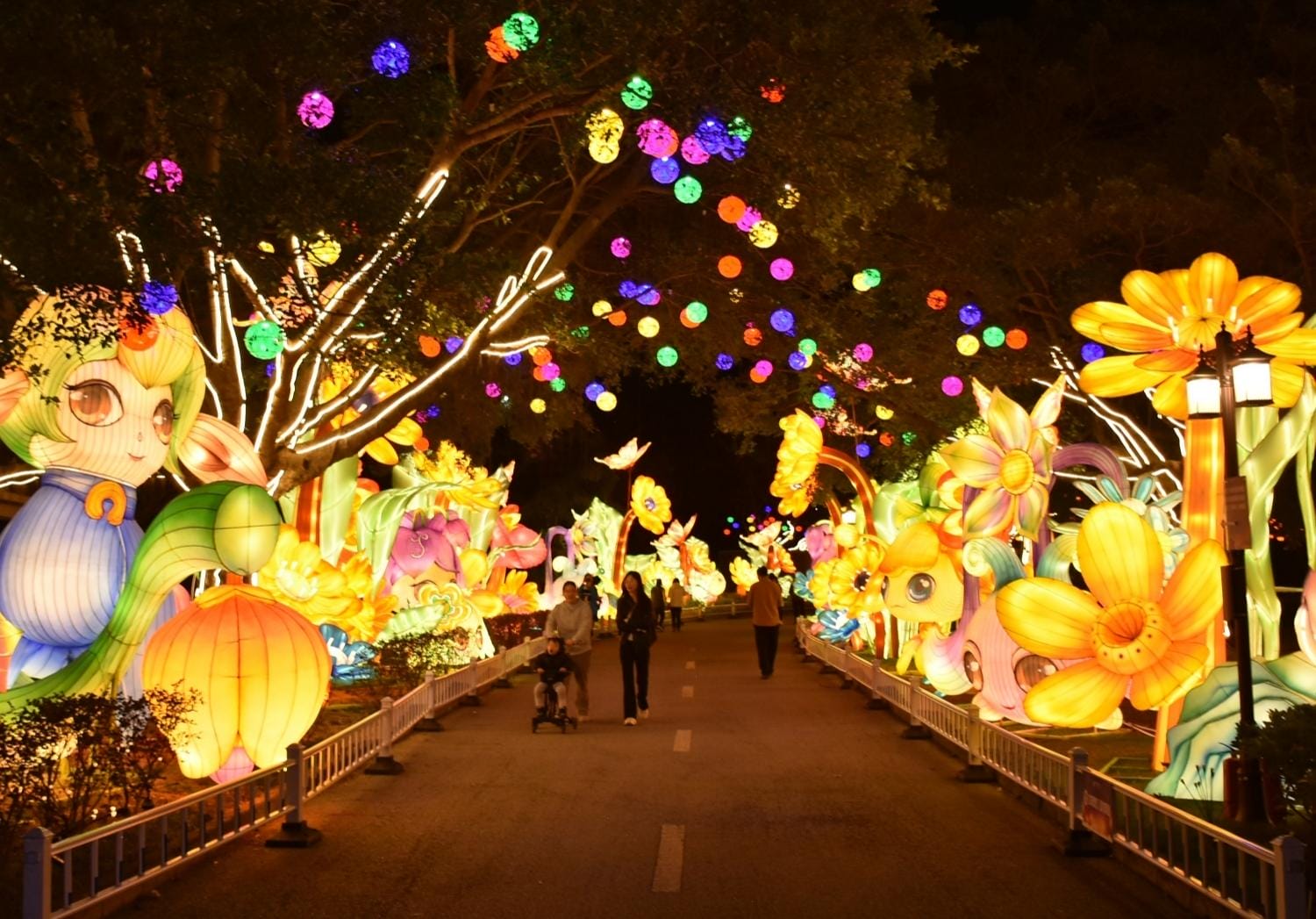
That is one reason light festivals and temporary nighttime activations are gaining more attention. Well-planned custom light festival installations can help transform outdoor areas into destinations that attract visitors, extend operating hours, and create new reasons for people to stay longer on site. For properties competing on experience, that matters.
Underused space is not empty space
In many cases, a site does not need to be completely redeveloped to become more productive. It simply needs a stronger reason for people to engage with it.
This is especially true in outdoor-oriented markets, where public space, hospitality environments, and entertainment districts already have the physical setting needed for foot traffic. The missing layer is often programming. When that programming is designed for the evening, it can reshape how a place performs without requiring major permanent construction.
Light festivals work well in this context because they are visual, flexible, and highly adaptable. They can turn an ordinary path into a guided experience, an open lawn into a social space, and a quiet plaza into a seasonal attraction. More importantly, they help a site feel intentional at night instead of simply remaining open after sunset.
The business case for after-dark activation
For many operators, nighttime activity is no longer optional. Guests, visitors, and consumers increasingly expect destinations to offer something beyond daytime function. They are looking for places that feel memorable, shareable, and worth spending time in during the evening.
That shift creates a stronger business case for temporary experiences that can increase dwell time and support on-site spending. When visitors stay longer, they are more likely to purchase food and beverages, upgrade tickets, participate in family activities, or engage with nearby retail and hospitality offerings.
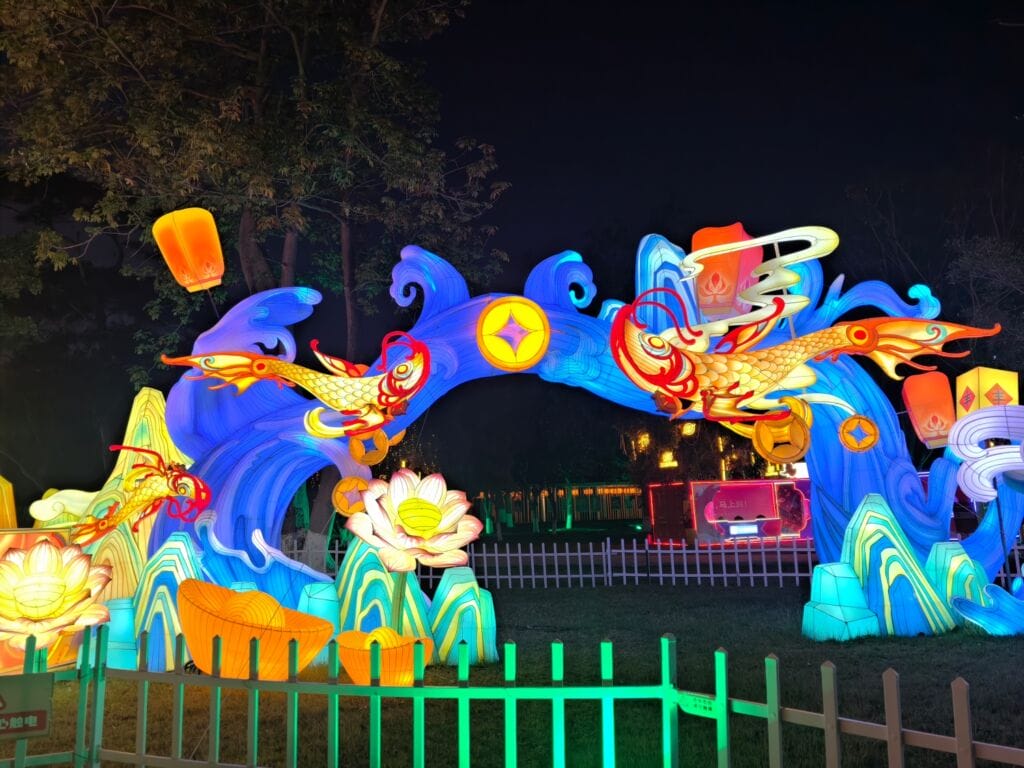
In that sense, a well-planned light festival is not only an aesthetic feature. It can also become a revenue-supporting layer of placemaking. For parks, a thoughtfully designed park light show can strengthen seasonal attendance. For resorts, it can create a guest experience that extends beyond the room and the pool. For mixed-use developments, it can make common outdoor areas feel like part of the destination rather than just circulation space.
DEEPER DIVE: Read all the Ranking Arizona Top 10 lists here
INDUSTRY INSIGHTS: Want more news like this? Get our free newsletter here
Why light festivals fit parks, resorts, and mixed-use projects
Some formats naturally lend themselves to after-dark activation, and outdoor environments are among the strongest examples.
Parks already have pathways, landscape texture, gathering zones, and room for storytelling. Resorts often have visually appealing grounds that are under-programmed in the evening. Mixed-use projects are increasingly expected to create not just square footage, but experience. In each of these cases, lighting can help convert space into atmosphere.
That is where a temporary festival format becomes especially useful. It allows operators to test demand, introduce a seasonal attraction, and create a fresh reason to visit without making a permanent change to the site. The temporary nature reduces risk while still generating visibility.
This flexibility matters. Not every property is ready for a major capital project, but many are ready for a seasonal activation that helps them understand guest behavior, traffic flow, and spending patterns after dark.
Good design supports both experience and operations
The most successful light festivals do not work because they are bright. They work because they are designed around visitor behavior.
People need a clear arrival moment, a route that feels easy to follow, focal points that create anticipation, and memorable scenes that reward movement through the site. Families need comfort and clarity. Operators need manageable installation plans, durable materials, and layouts that support crowd flow and maintenance.
That balance is what separates a temporary display from a meaningful destination experience.
For property owners and venue operators, this is where design becomes operational strategy. A well-designed nighttime route can reduce confusion, distribute foot traffic more evenly, encourage guests to explore more of the property, and create natural opportunities for food, beverage, and retail interaction. In other words, good design does not just improve aesthetics. It improves site performance.
Shareability now has real asset value
Another reason light festivals are attracting more interest is that physical experience and digital visibility are now closely connected.
Visitors no longer simply attend an event. They document it. They share it. They turn visually strong moments into free exposure for the venue itself. A site that previously had little identity after dark can begin to build recognition through photo-friendly installations, immersive lighting scenes, and repeatable social content.
That visibility matters for parks, districts, and hospitality properties trying to strengthen their brand positioning. It also matters for developers and operators who want outdoor space to contribute more directly to the perceived value of a destination.
The most effective activations understand this. They are designed not only to be seen in person, but also to be remembered, photographed, and shared.
Temporary activation can reveal long-term opportunity
One of the most overlooked advantages of a light festival is that it allows operators to test a bigger idea.
A seasonal nighttime experience can reveal whether guests will spend more time outdoors after sunset, whether a particular courtyard can support stronger programming, whether a park can attract evening visitors, or whether a resort can turn underused grounds into a stronger differentiator.
That kind of insight has long-term value. It helps operators make better decisions about programming, capital improvements, and future placemaking investments. In some cases, a temporary activation can even become the first step toward a broader repositioning of the site.
This is why after-dark programming deserves more attention in the real estate and hospitality conversation. It is not only about entertainment. It is about extracting more value from existing space.
A smarter way to think about outdoor square footage
For many properties, the next growth opportunity may not come from adding more built area. It may come from making existing outdoor space perform better.
That is the larger lesson behind the growth of light festivals. They show that underused land does not always need a new structure to become more valuable. Sometimes it needs a better use case, a stronger emotional draw, and a more intentional evening identity.
For parks, resorts, civic spaces, and mixed-use projects, that shift can create meaningful results: longer visits, stronger guest impressions, better seasonal programming, and more ways for the site to generate value after dark.
In a market where experience increasingly drives decision-making, light festivals are becoming more than a seasonal attraction. They are becoming a smart strategy for activating underused outdoor space.
Author: David Gao is the founder of a company specializing in large-scale festive lighting, lantern displays, and outdoor visual installations for parks, resorts, public venues, and seasonal destinations. He writes about placemaking, after-dark activation, and how temporary light experiences can help operators unlock greater value from outdoor space.