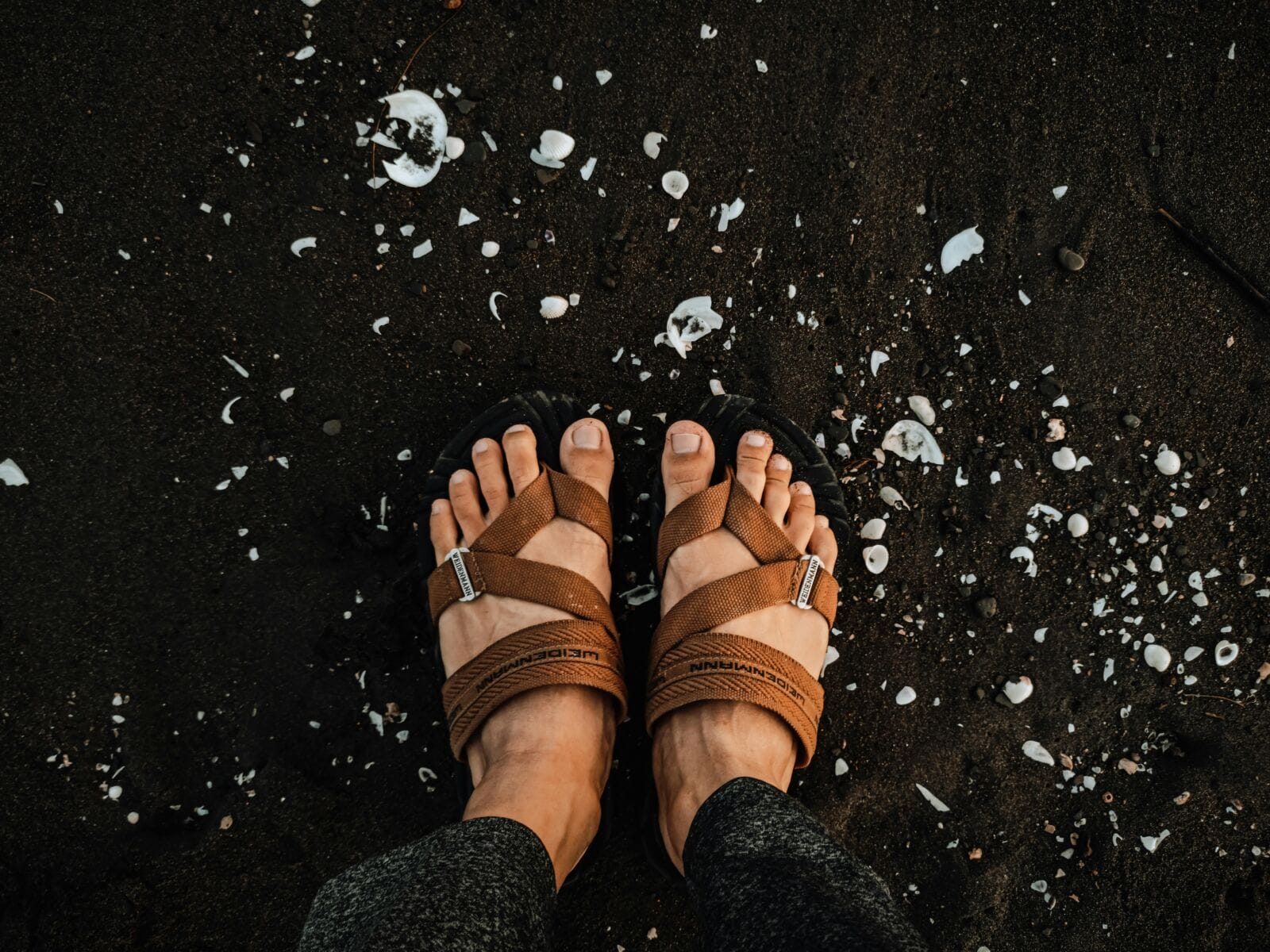
You’ve seen that person. Gliding through the farmers’ market, feet barely wrapped in a few straps and a paper-thin sole, looking like they just walked off a Greek island. You think: I want that. Then you buy the wrong pair, and your heels are screaming by noon.
Picking the right minimalist footwear is not guesswork. There are six things worth checking before you hand over your money — and skipping even one can turn a great idea into a painful Tuesday.
Sole Thickness and Ground Feel: How Thin Is Too Thin for Everyday Wear
The whole point of minimalist footwear is to feel the ground. That tactile feedback between your foot and the earth beneath it. But there’s a sweet spot, and it’s easy to miss.
A sole of 3–5mm works beautifully on trails or sand. On pavement all day? That’s a different story. Most people transitioning from conventional shoes need 5–8mm to start. Going straight to 3mm is like jumping into a cold pool without testing the water — technically possible, but rarely a good time.
Look for puncture-resistant materials if you plan on rough terrain. Vibram and similar rubber compounds give protection without sacrificing feel. And pay close attention to flexibility. A sole that bends easily with your foot matters more than thickness alone.
Heel-to-Toe Drop and Why Zero-Drop Sandals Change How You Walk
Drop measures how much higher your heel sits compared to your forefoot. Most conventional shoes run at 8–12mm of drop. Zero-drop means both ends of the foot sit at the same level.
This matters more than most people expect. Zero-drop encourages a midfoot or forefoot strike — the way humans walked before cushioned footwear showed up and convinced us otherwise. The catch? Your calves and Achilles tendon have some catching up to do. Skip the adjustment period, and your legs will remind you about it for days.
Transition gradually. Starting at 4mm drop before going fully to zero is smart, not timid. Think of it like stretching a rubber band — slow and steady beats snapping it in half.
Toe Box Width: Why a Wide Fit Matters More Than You Think
Conventional shoes squeeze your toes into a tapered shape that your foot never asked for. Over the years, this has led to bunions, hammer toes, and a quiet sense of betrayal from your own footwear.
A roomy fit gives your toes the space to do what they were always meant to do. More spread means better balance, stronger foot muscles, and less fatigue over long wear. It’s biomechanics, not a trend.
If you want to see this done right, barefoot sandals from brands like Rutsu prioritize anatomical shaping — a fit that actually matches what a relaxed foot looks like. Your pinky toe should not be auditioning for a corset.
DEEPER DIVE: Read all the Ranking Arizona Top 10 lists here
INDUSTRY INSIGHTS: Want more news like this? Get our free newsletter here
Strap Design and Fit Adjustability for All-Day Comfort
Straps are where most buyers get burned. A beautiful strap sitting in the wrong spot is just a stylish blister delivery system. Before buying, check for:
- Adjustability at the ankle, instep, and toe post
- Soft or rounded edges that won’t dig in over long wear
- Materials that stay true after heavy rotation
- A secure heel strap is essential if you plan on doing anything more active than standing still
Leather molds to your foot over time. Synthetic straps are lighter and easier to clean. Neither is categorically better — it depends entirely on how and where you’ll be wearing them.
Sole and Upper Materials That Determine Long-Term Durability
A cheap sole delaminates. A poorly treated leather strap cracks by summer two. Materials are the difference between a pair that lasts years and one that falls apart on your third outing.
For soles, natural rubber and Vibram compounds hold up best under daily use. Cork is comfortable underfoot but wears faster on abrasive surfaces. Thick foam midsoles have no place here — if they’re present at all, they should be minimal.
For uppers, full-grain leather is the gold standard for durability. Nubuck softens quickly but scratches easily. Webbing and technical synthetics are worth considering for wet environments — they dry fast and resist odor far better than most natural materials.
Matching the Right Minimalist Sandal to Your Activity Level
Not all minimalist footwear is the same. A pair built for casual city walks will not serve you on a 10-mile trail, and vice versa.
Define your primary use case before browsing. Daily errands call for a lightweight, flexible design with modest strap coverage. Hiking or trail use requires a grippy outsole and straps that won’t shift on uneven ground. Water activities need quick-dry materials and mold-resistant construction.
If you’re planning to use one pair across multiple activities — which is fair, most of us aren’t building a footwear wardrobe — prioritize outsole grip and strap security above everything else. Versatility lives in those two details.
The Right Pair Starts With the Right Checklist
Minimalist footwear rewards people who do their homework. Sole thickness, heel drop, toe box width, strap design, materials, and activity match — these six factors separate a pair you’ll wear for years from one that collects dust after two weeks.
Don’t let aesthetics do all the talking. The best-looking option is worth nothing if it doesn’t match how you actually move. Run through the checklist, take your time, and your feet will thank you in ways your old shoes never could.
Frequently Asked Questions
1. Are minimalist sandals good for people with flat feet?
Yes, they actually help strengthen flat arches over time. Start slow, build up gradually, and maybe keep a podiatrist on speed dial. Your feet are relearning a skill.
2. How long does it take to adjust to zero-drop footwear?
Four to eight weeks, typically. Your calves will protest like overworked employees on Monday morning. Ignore the drama, stay consistent, and everything loosens up eventually.
3. Can I wear minimalist footwear on long walks?
Once properly transitioned, absolutely. Thousands of hikers do it happily. Just pick the right sole for your surface — concrete is not a sandy beach, unfortunately.
4. What’s the difference between minimalist footwear and barefoot sandals?
Barefoot is the end — zero cushioning, maximum ground contact, full anatomical width. Minimalist allows a little padding. Same philosophy, slightly different commitment level.
5. How do I know if my toe box is wide enough?
Trace your bare foot, place your shoe on top. If the shoe is narrower at the toes — and it almost certainly is — you’ve been squishing your feet for years.