
Running out of power before the evening can interrupt work, navigation, communication, and entertainment. An all day battery phone should handle your normal routine from morning to night without forcing you to search for a charger halfway through the day.
However, battery capacity alone does not determine how long a phone lasts. Display settings, processor efficiency, network conditions, software optimization and individual habits all influence energy consumption. This guide explains the main factors affecting battery life, what to compare when buying a phone and how to extend each charge during everyday use in the UK.
Key Takeaways
- An all-day smartphone should support a typical morning-to-evening routine, although runtime varies with individual usage.
- A large mAh rating helps, but display efficiency, software and processor design also affect endurance.
- Real-world tests provide more useful comparisons than manufacturer figures alone.
- Fast charging reduces downtime when the battery runs low.
- Brightness, gaming, navigation, mobile data and background apps are common sources of increased power consumption.
What Affects Your Phone Battery Life
Battery capacity provides a useful starting point when comparing phones for all-day use, but it cannot predict endurance by itself. Display settings, processor efficiency, temperature, and everyday usage all influence whether a phone lasts until bedtime.
Battery Capacity and Technology
Battery capacity is measured in milliamp-hours (mAh). A higher figure generally means more stored energy, although battery chemistry and phone efficiency also affect runtime. Newer technologies, including silicon-carbon batteries, can provide greater energy density without requiring an excessively thick device. Therefore, compare capacity alongside the phone’s design, hardware and tested real-world endurance.
Display Size, Brightness & Refresh Rate
The display is often one of a phone’s largest power consumers. A large screen, high brightness and constantly enabled high refresh rate can shorten battery life, particularly during gaming or video streaming. Adaptive brightness and variable refresh rate can reduce unnecessary power use by adjusting performance to the content. Shorter screen timeout settings can also help conserve energy.
Processor Efficiency and Software Optimisation
An efficient processor can complete everyday tasks while drawing less power, whereas gaming, video editing and intensive AI features place heavier demands on the CPU and GPU. Software optimisation is equally important because it controls background activity, performance modes and app behaviour. A well-optimised phone can sometimes outlast a model with a larger battery but less efficient hardware or software.
Temperature, Battery Age & Charging Habits
Rechargeable batteries gradually hold less energy as they chemically age, so an older phone may no longer deliver its original endurance. Heat can accelerate this deterioration, particularly when the device is charging or running intensive apps. Charging patterns also contribute to long-term battery health. Using built-in optimised charging features and avoiding excessive heat can help preserve capacity over time.
How to choose the Best phone with all-day battery life
Choosing a phone that lasts all day requires more than checking the largest battery figure. The following factors help translate technical specifications into practical endurance for work, travel, and entertainment.
Check Real-World Battery Endurance
Manufacturer estimates are measured under controlled conditions and may not reflect everyday use. Look for independent tests covering web browsing, video streaming, calls, photography, gaming, and standby time. Check whether reviewers used Wi-Fi or 5G and note the screen brightness and refresh rate. Ideally, the phone should retain around 15–20% charge after a full mixed-use day, providing a useful reserve for navigation or evening activities.
Compare Battery Capacity and Energy Efficiency
Battery capacity, measured in milliamp-hours, indicates how much charge a phone can store but doesn’t predict endurance on its own. A 5,000mAh battery is a useful starting point for many users, while heavier users may benefit from 6,000mAh or more. The best phone for all-day use should also combine an efficient processor, an adaptive LTPO display and intelligent power management to reduce unnecessary consumption.
Consider Wired and Wireless Charging
Fast wired charging is useful when you need to restore power during breakfast, a lunch break or a short stop between journeys. Wireless charging offers added convenience at a desk or bedside, while reverse wireless charging can support compatible earbuds or wearables. Compare the maximum wattage and estimated charging time, and confirm whether the required adapter is included or must be purchased separately.
Match the Phone to Your Daily Activities
Think about how you actually use your phone. Messaging, calls and occasional browsing usually consume less energy than navigation, gaming, video recording or mobile hotspot use. Frequent photographers and gamers should prioritise sustained performance and thermal management, while business users may value efficient standby and multitasking. Your personal workload determines what qualifies as reliable all-day battery life.
Balance Screen Size, Weight & Portability
Large displays improve streaming, editing and multitasking but can increase power consumption, thickness and weight. Look for an adaptive refresh rate that can decrease during static content instead of remaining at 120Hz continuously. Compare folded dimensions and weight alongside battery capacity, and hold the phone before buying when possible.
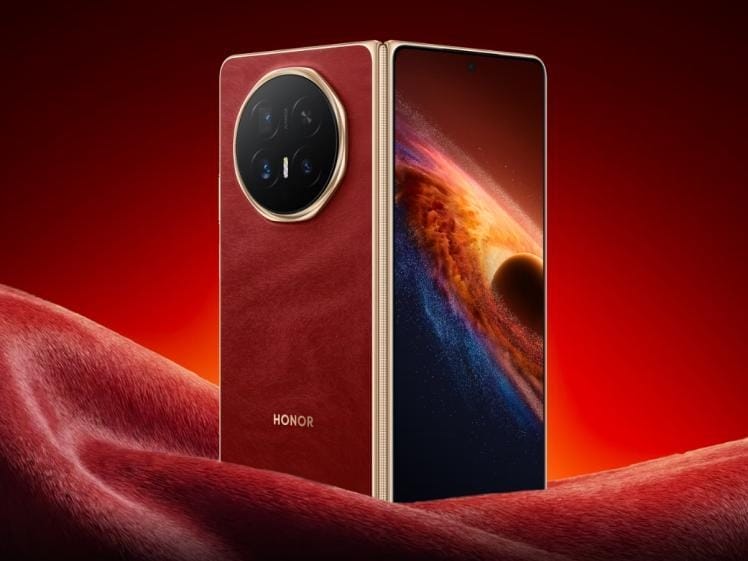
HONOR Magic V6: A Foldable Phone with Long Battery Life
The HONOR Magic V6 is designed for users who want substantial battery capacity without sacrificing the flexibility of a foldable phone. Its 6,660mAh silicon-carbon battery contains 25% silicon and achieves an energy density of up to 921Wh/L, supporting calls, navigation, photography, streaming and large-screen multitasking while fitting into a slim body measuring only 8.75mm when folded.
Its main advantages include:
- Large 6,660mAh battery: The substantial capacity supports prolonged everyday use, giving demanding users more energy for communication, content, work and entertainment between charges.
- High-density silicon-carbon technology: The battery contains 25% silicon and offers an energy density of up to 921Wh/L, helping fit more capacity into a compact foldable body.
- Extended inner-screen use: HONOR claims up to 24 hours of inner-display battery life under its test conditions, although actual results depend on brightness, connectivity and activity.
- Fast wired and wireless charging: Support for 80W wired and 66W wireless HONOR SuperCharge helps users replenish the large battery quickly and reduce interruptions during busy days.
- Slim and portable construction: Despite its battery size, the phone measures 8.75mm when folded and starts at approximately 219g, balancing endurance with comfortable daily portability.
Tips to Make Your Phone Battery Last All Day
Small adjustments can significantly improve your phone’s battery life. Focus on the features that use energy continuously, while keeping essential functions available for work, communication, and travel.
- Manage the display. Reduce brightness or enable automatic brightness, shorten the screen timeout and use an adaptive refresh rate. The display is a major source of power consumption, especially during video streaming, gaming or outdoor use.
- Control background activity. Check the battery settings to identify apps using excessive power. Restrict unnecessary background refresh, remove unused apps and disable automatic syncing for accounts that do not require immediate updates.
- Adjust connectivity features. Use Wi-Fi where practical and turn off mobile hotspots when they are no longer needed. Limit continuous GPS access and allow location services only for apps that genuinely require them.
- Use battery-saving modes. Enable the phone’s battery saver before power becomes critically low. These modes can reduce background activity, performance demands, visual effects and network use, helping an all day battery phone last longer.
- Avoid excessive heat. Keep the phone away from direct sunlight and avoid intensive gaming while charging. Heat can increase short-term battery drain and contribute to long-term battery ageing, so allow the device to cool when it becomes unusually warm.
YouTube video: HONOR Magic V6 – Foldable battery anxiety is a thing of the past.
Conclusion
Choosing an all day battery phone requires more than comparing mAh figures. Real-world endurance depends on battery technology, display efficiency, processor optimisation, charging support, and the way you use your device. Before buying, consider your typical mix of calls, navigation, photography, streaming and gaming, then check independent battery tests under comparable conditions.
For UK users seeking a foldable option, the HONOR Magic V6’s 6,660mAh silicon-carbon battery, 80W wired charging and 66W wireless charging create a strong balance of capacity, convenience and portability for demanding daily use without compromising its flexible large-screen experience.
FAQs
How Much Battery Capacity Does an All-Day Phone Need?
Generally, an all-day phone needs around 4,000–5,000mAh, although no capacity guarantees a fixed runtime. Many efficient phones can last all day with about 5,000mAh, while larger screens and demanding workloads may benefit from 6,000mAh or more. Processor efficiency, software optimisation, brightness, and network use also affect endurance.
Can a 5,000mAh Phone Battery Last All Day?
Yes, a 5,000mAh battery can last all day under light or moderate use. Messaging, calls, occasional browsing and music streaming are less demanding than gaming, navigation or continuous video recording. Actual runtime also depends on display brightness, refresh rate, processor efficiency, signal strength, background apps and the battery’s age.
Which Phone Features Use the Most Battery?
The display, camera, GPS, mobile hotspot and processor-intensive apps typically use the most battery. High brightness, high refresh rates, video recording, navigation and graphics-heavy gaming can drain power particularly quickly. Background syncing and weak mobile signals may also increase consumption because the phone must remain active or work harder to maintain connections.
Does 5G Drain a Phone Battery Faster?
Yes, 5G can use more battery than Wi-Fi or 4G in some conditions, especially when coverage is weak or the phone frequently switches between networks. The difference varies by device, modem and location. Using Wi-Fi indoors and selecting adaptive network settings can help reduce unnecessary mobile-network power consumption.
Does Fast Charging Damage Phone Battery Health?
No, fast charging should not significantly damage battery health when the phone, charger, and cable are compatible. Modern phones regulate charging speed and reduce power as the battery fills. However, repeated overheating can accelerate battery ageing, so avoid charging in hot environments.