
Where you buy your groceries in Arizona could make a surprisingly big difference at the checkout counter — and we’re not talking about saving a few bucks by clipping coupons.
A new analysis from Freedom Debt Relief found that Arizona shoppers could pay 52.3% more for the same basket of groceries depending on which major supermarket they choose.
DEEPER DIVE: Arizona has 6 of the 30 happiest cities in America
INDUSTRY INSIGHTS: Want more news like this? Get our free newsletter here
That gives Arizona one of the widest grocery price gaps in the country and offers another reason for budget-conscious consumers to shop around as food costs continue to squeeze household finances.
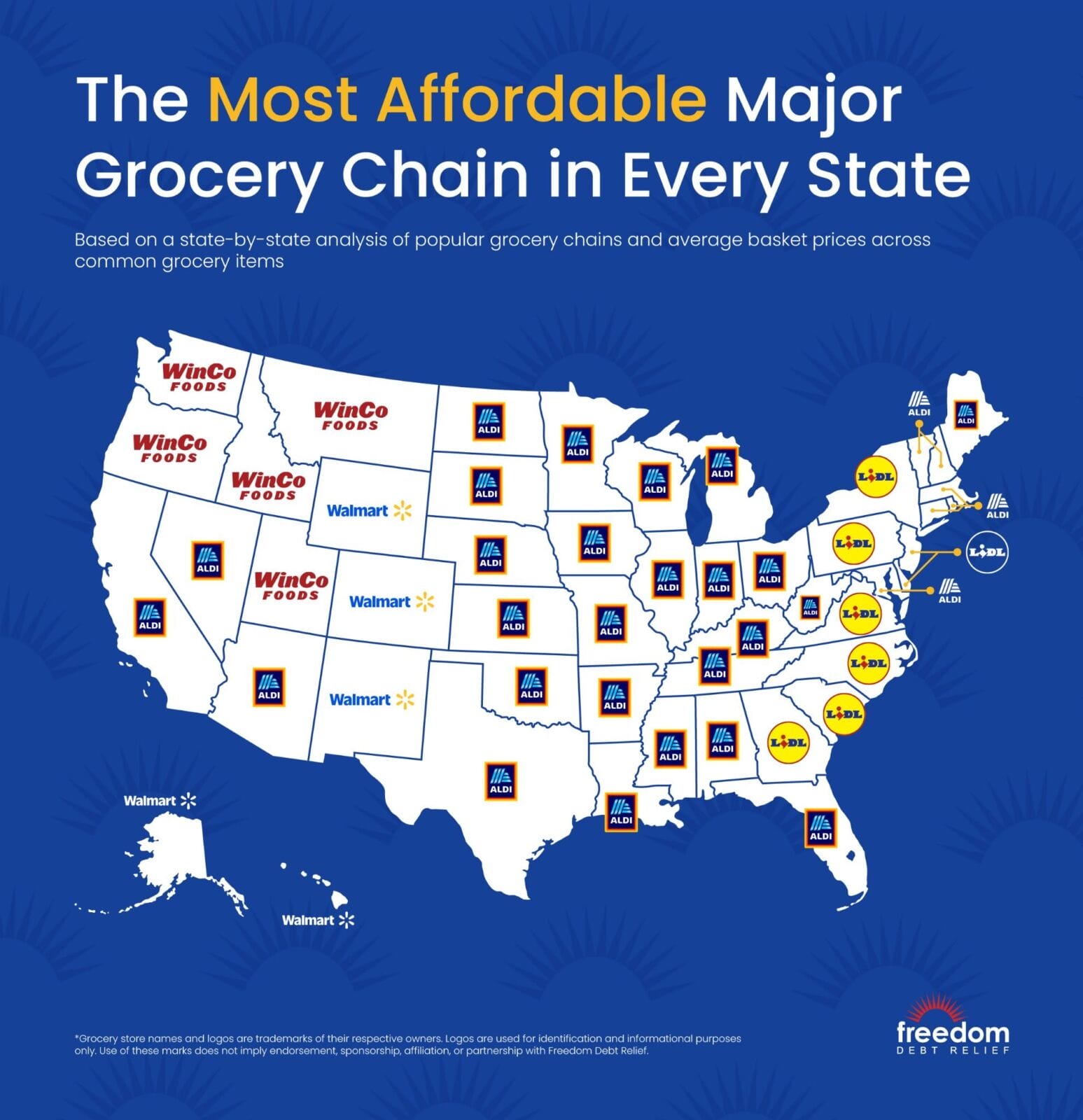
According to the analysis, Aldi ranks as the most affordable major grocery chain in Arizona, while Whole Foods ranks as the most expensive.
That 52.3% difference means a hypothetical grocery basket costing $100 at the lower-priced end could cost more than $152 at the other — a gap that can quickly add up for families making weekly grocery runs.
Aldi’s ranking could become increasingly relevant for Valley shoppers as the discount supermarket expands its presence in the Phoenix market. The company’s business model emphasizes private-label products, a relatively limited selection and streamlined store operations — strategies designed to keep costs and prices lower than many conventional supermarkets.
At the opposite end of the price spectrum is Whole Foods, whose emphasis on premium, organic and specialty products contributes to higher average prices.
The findings don’t necessarily mean every item at Aldi will be cheaper than every comparable product at Whole Foods. Prices can vary by individual store, product, promotion and location. But the analysis illustrates how dramatically a household’s choice of supermarket can affect its overall grocery budget.
Freedom Debt Relief based its findings on Consumer Reports’ 2026 grocery price comparison, which ranked retailers against Walmart using the cost of comparable baskets of commonly purchased groceries.
Researchers then examined which of those chains currently operate in each state and identified the lowest- and highest-priced options available. Warehouse clubs were excluded because membership fees and bulk packaging make direct comparisons with traditional supermarkets difficult.
For Arizona consumers, the takeaway is pretty simple: Your grocery list matters, but where you take that list may matter almost as much.
With a potential price difference topping 50%, a little supermarket comparison shopping could leave considerably more money in your wallet.