Introduction
You don’t really think about fog lights on a normal day. Then one evening the weather turns, visibility drops, and suddenly the road just disappears into glare and blur from your headlights.
That’s usually when fog lights start making sense. What matters is how the light sits close to the road, how wide it spreads, and whether it actually helps your eyes pick out shape and distance when conditions get messy.
Specs alone won’t tell you much — what really matters is how clearly you can see when things get bad.
What Makes Fog Lights Different from Headlights
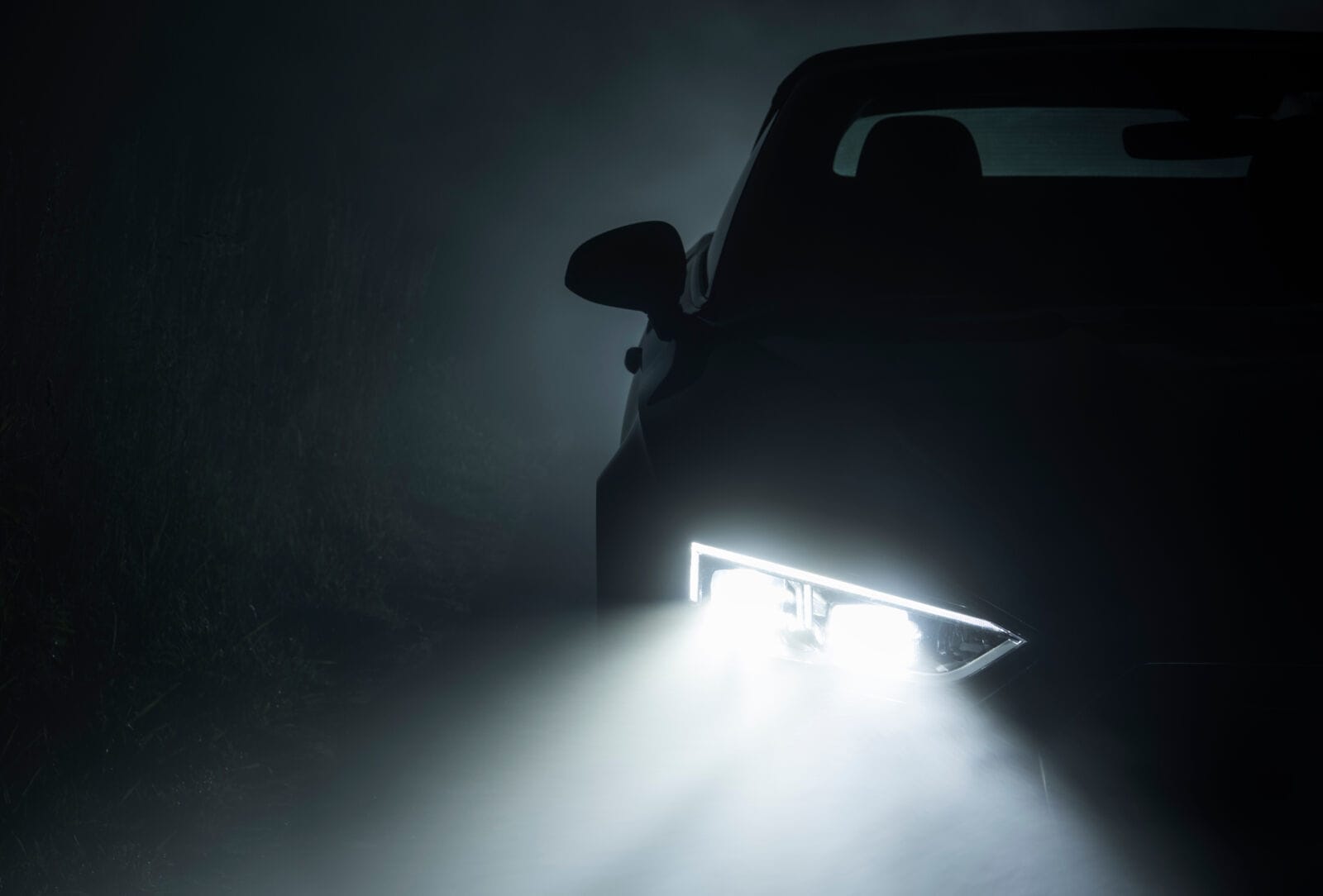
Fog lights are designed for conditions where headlights lose effectiveness. Instead of projecting light far ahead, they stay low and spread it across the road surface.
The key difference is height and direction. Headlights aim forward and higher, which works fine in normal conditions but becomes a problem in fog or rain. Light hits suspended moisture and reflects back, reducing clarity.
Fog lights avoid that by keeping the beam closer to the ground, where there’s less reflection and more usable visibility.
DEEPER DIVE: Read all the Ranking Arizona Top 10 lists here
INDUSTRY INSIGHTS: Want more news like this? Get our free newsletter here
Key Factors to Consider When Buying Fog Lights
1. Beam Pattern and Cutoff
This is what actually controls performance on the road.
A good fog light should provide:
• Wide horizontal spread
• Sharp cutoff to stop upward glare
• Even road coverage
If the beam is uneven or scattered, visibility drops regardless of brightness.
2. Color Temperature
Color affects how light behaves in bad weather.
• 3000K (yellow light):
Better penetration in fog, rain, snow
• 5000K–6000K (white light):
Cleaner look, but more reflection in dense fog
Warmer tones usually perform better in poor visibility conditions.
3. Bulb Type: Halogen vs LED vs HID
Fog lights are available in several technologies, each with its own strengths.
Halogen:
• Lower cost and widely available
• Softer output and shorter lifespan
LED:
• Higher efficiency with stronger output
• Instant brightness with longer service life
HID:
• High output levels
• Slower warm-up and less common in fog applications
LEDs tend to offer the most balanced real-world performance when paired with proper beam design. If you’re comparing options, SEALIGHT’s LED fog light bulb range focuses on controlled beam output rather than just brightness claims.
4. Fitment and Compatibility
Fog light performance depends heavily on how well the bulb matches your vehicle’s setup. A high-quality bulb won’t perform properly if it doesn’t fit the housing correctly.
Before buying, check:
• Bulb size (such as H11 or 9006)
• Housing type (projector or reflector)
• Vehicle-specific compatibility
Getting the correct fit usually has a bigger impact than simply choosing a higher-output bulb. For broader compatibility, SEALIGHT’s car bulb lineup makes it easier to match the right option to your vehicle.
5. Heat Management and Build Quality
Consistent performance over time depends on how well the system handles heat.
LED fog lights, in particular, require proper cooling to maintain stable output. Without effective heat dissipation:
• Brightness can decrease
• Lifespan is reduced
• Output may become inconsistent
Well-designed systems use heat sinks or cooling mechanisms to keep temperatures under control and maintain steady performance.
Common Mistakes to Avoid
Even with the right components, a few common mistakes can limit performance:
• Choosing bulbs based only on lumen ratings
• Ignoring beam pattern and cutoff design
• Skipping proper alignment after installation
• Using very high color temperatures in fog-prone conditions
Fog lighting works best when beam shape, color, and placement are all working together.
When Should You Upgrade Your Fog Lights?
Changes in performance usually show up gradually. Visibility may feel slightly worse in rain or fog, even though nothing seems completely broken.
Signs that it might be time for an upgrade include:
• Reduced visibility in poor weather
• Uneven or weaker beam output
• Older halogen bulbs losing brightness over time
• Limited road coverage at lower angles
In many cases, improving performance doesn’t require a full system replacement. Switching to a better-designed bulb can make a noticeable difference.
Another indicator is increased glare. If the light appears more scattered or harsh in bad weather, it often means the beam is no longer being controlled effectively—even if the bulbs are still functioning.
Final Thoughts
Fog lights are about making the road readable when conditions aren’t ideal. The best setups don’t rely on raw brightness—they rely on controlled, usable light.
If you’re upgrading, focus on beam pattern, correct color temperature, and proper fitment rather than chasing high output numbers.
SEALIGHT offers fog light and car bulb solutions designed to maintain controlled beams and consistent output across different driving conditions.