Why Shipping Dates Are Estimates, Not Promises
Most car shipping delays don’t come from one big problem.
They build up from small ones, like a carrier running behind on a previous load, weather across a stretch of I-80, or a pickup address the truck can’t physically reach.
People assume their vehicle will arrive on the exact day they were quoted, but those dates are estimates tied to a logistics chain with a lot of moving parts.
This is especially true with interstate auto shipping, where a single trailer might cross four or five states before reaching your driveway, and each leg adds its own variables.
Weather and Route Conditions
Weather is the delay everyone underestimates.
A storm system rolling through the Midwest can hold up trucks for two or three days, and once a carrier gets behind, the whole route shifts.
Winter runs through the Rockies or the I-70 corridor, and is notorious for this.
Summer brings its own issues, including hurricane season on the Gulf Coast and wildfire detours through California.
Carriers aren’t going to push through unsafe conditions, and you wouldn’t want them to with your car on the upper deck.
How Carrier Schedules Actually Work
Carriers run on tight schedules with little slack.
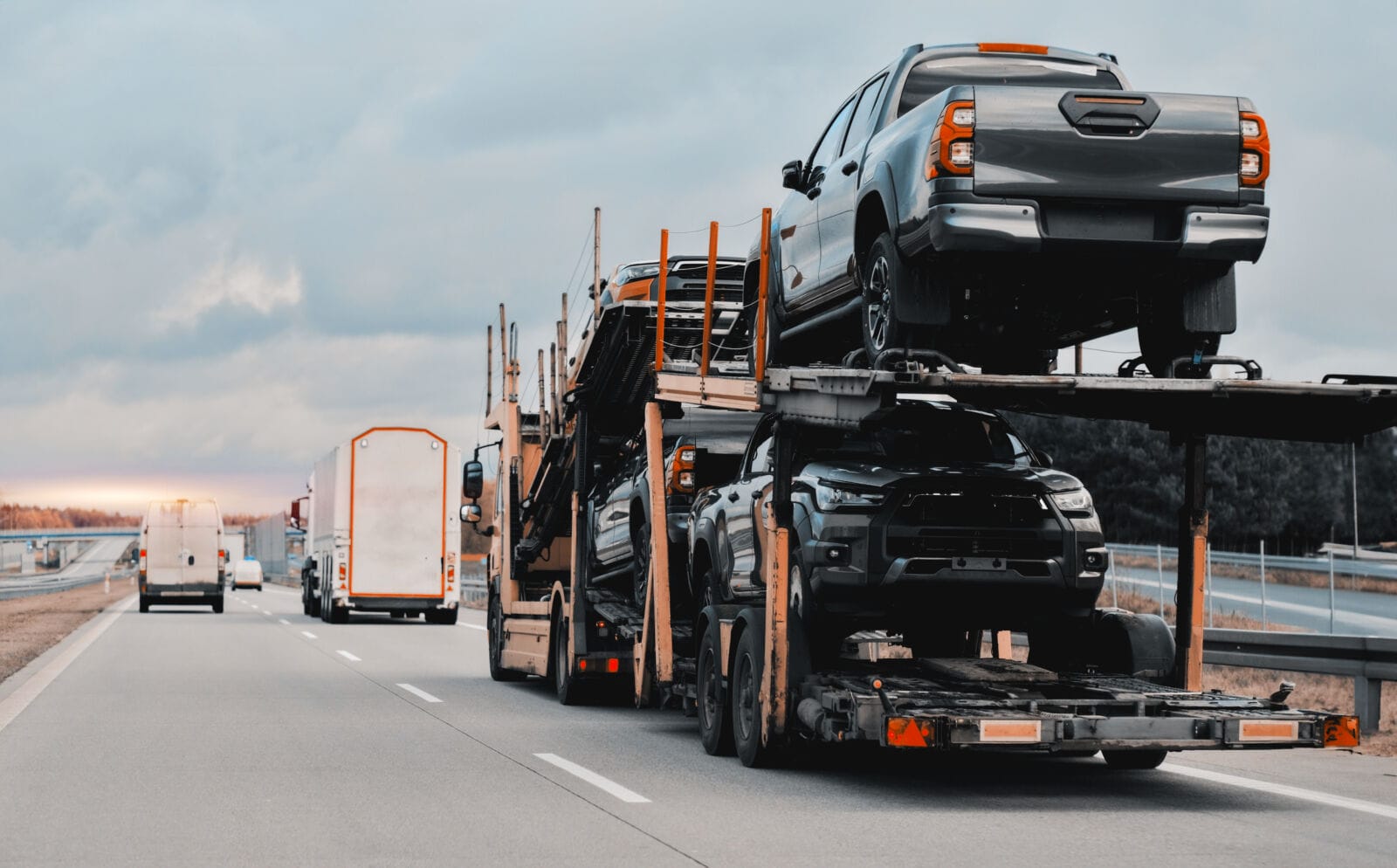
A nine-car hauler picking up in Dallas might have committed loads in Phoenix, Albuquerque, and Los Angeles before yours gets unloaded.
If one of those earlier pickups falls through, your delivery window slides.
This is how the trucking side of the industry works, which is why most companies quote ranges instead of exact dates.
Larger brokers like RoadRunner deal with this every day by coordinating with multiple carriers, but even a well-managed dispatch can’t override a driver stuck in a snowstorm outside Denver.
Access Problems at Pickup and Delivery
Access to the pickup or delivery location causes more problems than people expect.
Auto transport trucks are 75 to 80 feet long.
They can’t fit down narrow residential streets, under low-clearance overpasses, or into tight cul-de-sacs.
Drivers will often ask you to meet them at a nearby grocery store parking lot or a wide commercial road.
Push for door-to-door at an address the truck physically can’t reach, and the driver will keep moving, then reschedule, which costs you a day or two.
The Pricing Trap That Slows Pickup
A lot of frustration comes from not understanding who you’re actually working with.
Most quotes come from brokers, not the carrier driving the truck.
Brokers post your load on a central dispatch board, and carriers pick it up based on price and route fit.
If your quote is below market rate, no carrier accepts it, and your car just sits waiting.
This is the single most common reason for slow pickups in the industry, because the price was set too low to attract a driver, and nobody told you.
Route Demand and Seasonal Patterns
Some routes move faster than others.
Florida to the Northeast in October is busy because snowbirds are heading south, so trucks deadhead back north with fewer cars and finding northbound capacity takes longer.
The reverse happens in April.
Cross-country lanes between major hubs like LA to Atlanta or Chicago to Dallas have constant traffic and rarely sit long.
Smaller markets, including Bismarck, Boise, and anywhere off the main interstates, can wait a week for the right carrier to come through.
Delays You Might Cause Without Realizing
You can create your own delays without realizing it:
- A car that won’t start when the driver arrives turns a 15-minute pickup into a winch job, and not every carrier carries winching gear
- Loose items in the trunk that shift during transport can get flagged at weigh stations
- Aftermarket lifts or low-body kits sometimes won’t fit on certain trailers, and the driver finds out at pickup
- Mentioning these things upfront when you book saves everyone time
Payment and Paperwork Issues
Payment hiccups stall more shipments than you’d think.
Most carriers want cash or certified funds on delivery, and if you’re not there with the right form of payment, the car doesn’t come off the trailer.
The same goes for the Bill of Lading, since the driver needs a signature at both ends.
If the pickup contact is a dealership or a third party and they’re closed when the driver arrives, the load gets pushed.
Practical Habits That Prevent Most Delays
Avoiding delays comes down to a few practical habits:
- Book one to two weeks ahead when possible, especially for off-route locations
- Get quotes from three companies and look at the middle, because the lowest one usually means your car sits
- Have a flexible pickup window of two to three days rather than a single date
- Give the dispatcher a backup contact and a meeting spot for larger trucks
- Confirm the carrier’s insurance and DOT number before the truck shows up
- Be reachable by phone the day of pickup and delivery
Setting Realistic Expectations
The honest reality is that car shipping runs on a wider tolerance than overnight package delivery.
A two or three-day variance on a 2,000-mile haul isn’t a sign that something went wrong; it’s normal.
Drivers deal with traffic, DOT hours-of-service rules, mechanical issues, and the load before yours.
Going in with a realistic window and a flexible attitude keeps the whole thing painless.
The people who get burned are almost always the ones who chased the cheapest quote and assumed the dates were guarantees.