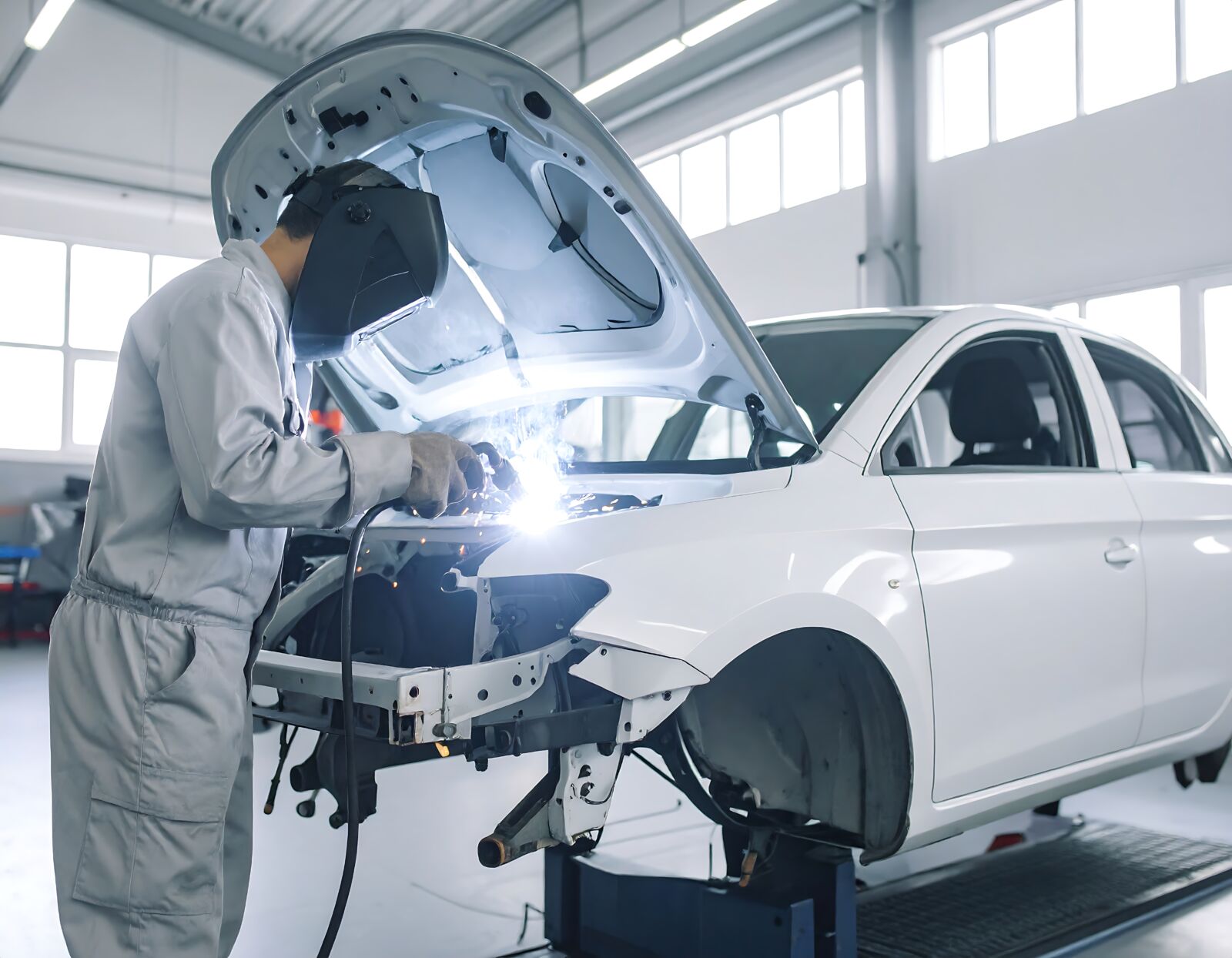
In the high-stakes world of automotive manufacturing and aftermarket modification, welding quality is often the dividing line between a premium product and a costly recall. Whether fabrication involves exhaust systems, structural brackets, or custom roll cages, welding defects rarely originate from the welding equipment itself. More often, they stem from a variable that is frequently overlooked until it is too late: the condition of the metal surface.
For manufacturers and automotive modification shops, maintaining consistent welding results across different batches and production rhythms is a constant challenge. As vehicle complexity increases, pre-weld surface preparation is gaining recognition as a decisive factor in performance. For automotive brands and modification shops alike, welding consistency is increasingly tied to brand reputation, safety compliance, and long-term liability.
To address this, forward-thinking shops are moving away from abrasive grinding and embracing advanced photonic solutions. Solutions such as the Xlaserlab Q1 laser cleaning machine are becoming the new standard for controlled pre-weld surface preparation, ensuring that every weld starts on a clean, repeatable foundation.
The Real Challenges in Automotive Component Welding
Automotive components—ranging from thin-walled exhaust tubing to heavy structural frames—are welded in a wide variety of scenarios. These parts often face specific challenges before they even reach the welding station:
- Storage Issues: Components stored in warehouses often develop light rust or oxidation layers.
- Process Residues: Cutting fluids, forming oils, and anti-spatter sprays form invisible barriers that destabilize the welding arc.
- Inconsistency: In modification shops, the mix of new aftermarket parts and reused OEM components creates a nightmare of varying surface conditions.
Even when a robotic welder is programmed perfectly, these surface variations can lead to porosity, spatter, and weak joints. Traditional solutions like mechanical grinding are labor-intensive and inconsistent—over-grinding can thin out critical parts, while under-grinding leaves contaminants behind. Chemical treatments, while effective, introduce hazardous waste disposal issues that are increasingly difficult for workshops to manage.
The Q1 Solution: Precision Meets Mobility
The industry’s shift toward laser-based surface preparation is driven by the need for consistency without collateral damage. The Xlaserlab Q1 exemplifies this non-destructive approach, offering a solution tailored for the dynamic environment of automotive workshops. This is why more automotive manufacturers and performance shops are beginning to standardize on the Q1 as part of their welding quality control process, rather than relying on manual surface preparation.
MOPA Technology for Thin Metals Automotive fabrication often involves thin-gauge metals, such as stainless steel exhaust systems, which are highly sensitive to heat. Standard cleaning methods can warp these parts. The Q1 utilizes MOPA (Master Oscillator Power Amplifier) technology, allowing operators to precisely tune the laser pulse width. This achieves “cold ablation”—vaporizing oil and rust instantly without transferring excess heat to the base metal, ensuring that the dimensional accuracy of precision parts is preserved.
Designed for the Workshop Space is at a premium in modification shops and manufacturing lines. The Q1 features a compact, suitcase-style design weighing less than 17kg. Unlike bulky stationary units, it offers true mobility. A technician can easily wheel the unit to a vehicle lift to clean a chassis component in place, or move it between welding bays, integrating seamlessly into existing workflows.
Real-World Applications in Automotive Fabrication
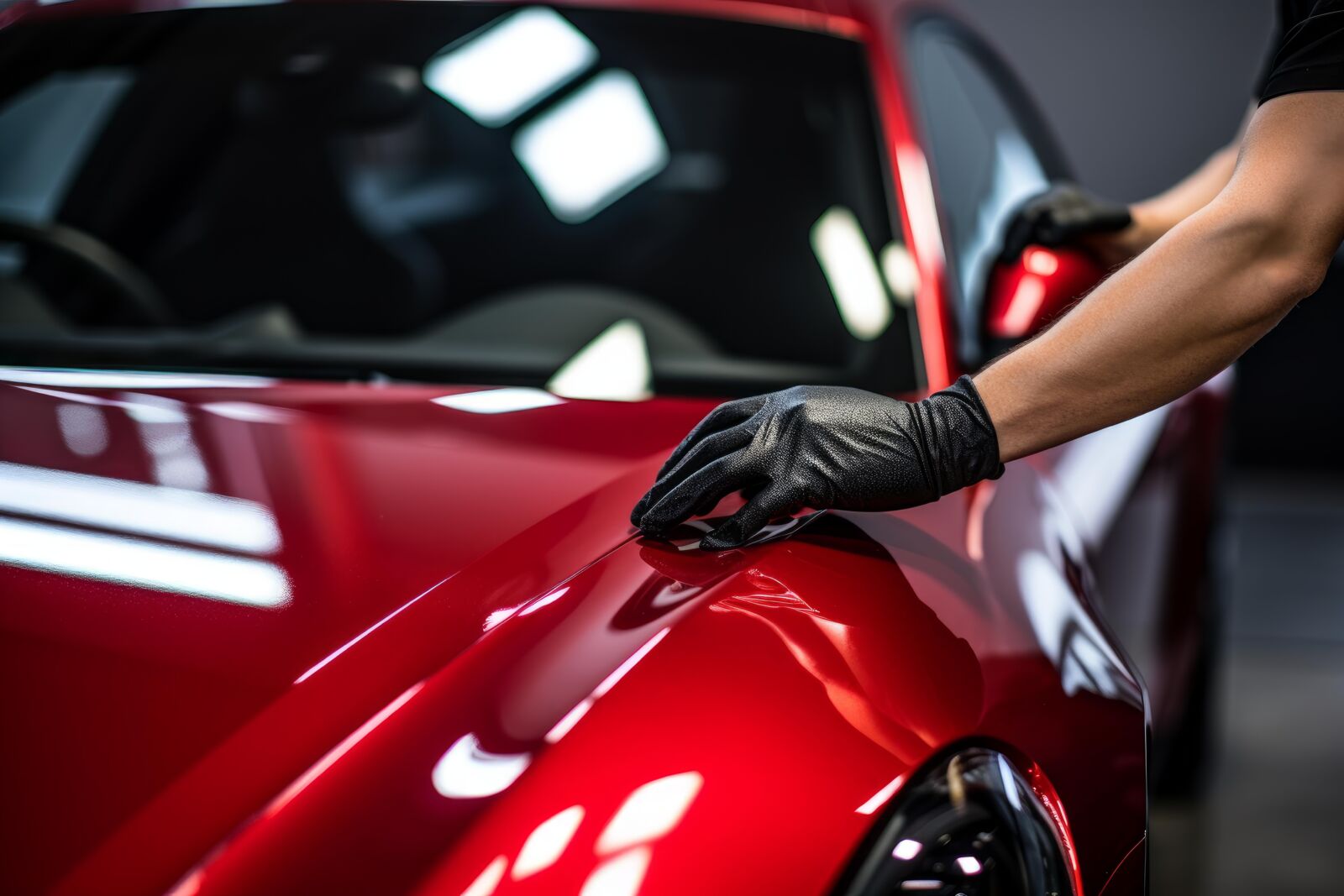
The adoption of laser rust removal technology is transforming specific automotive workflows:
Exhaust Systems and Metal Tubing Welding tubular components requires a perfect seal. Laser cleaning removes oxidation from the weld toe area without altering the tube’s geometry. This results in uniform weld seams with minimal spatter, reducing the need for post-weld polishing.
Chassis and Structural Repair In restoration and modification, technicians often encounter aged steel. The Q1 allows for the rapid removal of years of rust and undercoating from frame rails or suspension mounts, exposing clean metal for high-strength structural welding.
Consistent “Brand-Ready” Finishes For aftermarket parts manufacturers, visual quality is paramount. Laser cleaning ensures that parts look as good as they perform, providing a clean, uniform surface that accepts plating or coating flawlessly. Additionally, the Q1’s 2-in-1 capability allows shops to switch modes and engrave logos or part numbers directly onto the finished component.
Shops also benefit when new hires arrive versed in core processes (GMAW, GTAW, FCAW, SMAW) and modern prep practices. Combination-welding programs that award entry-level welding credentials can help technicians apply tools like laser cleaning consistently, reduce rework, and support quality-control standards from day one – complementing investments in equipment with a workforce trained for repeatable results.
Practical Benefits for Manufacturers and Shops
By integrating laser-based pre-weld surface preparation, automotive businesses are seeing measurable improvements in their bottom line.
- Reduced Rework: By eliminating surface contamination—the primary cause of weld porosity—shops significantly reduce the time and cost associated with grinding out and re-doing bad welds.
- Process Stability: Laser cleaning transforms surface preparation from a variable art form dependent on operator skill into a repeatable, controlled process.
- Operational Efficiency: With no consumables to buy (like grinding discs) and no chemicals to dispose of, the ongoing operational cost is lower and the workshop environment is cleaner and safer.
Conclusion
Across the automotive industry, the definition of quality is evolving. Pre-weld surface preparation is no longer just a cleaning task; it is a critical step in quality assurance.
As manufacturers and modification shops seek to elevate their standards, solutions like the Xlaserlab Q1 offer a path to consistency. By integrating solutions like the Xlaserlab Q1 into pre-weld preparation, automotive manufacturers and modification shops can transform welding quality from an operator-dependent variable into a controlled, repeatable process—delivering stronger structures, cleaner finishes, and more reliable vehicles.