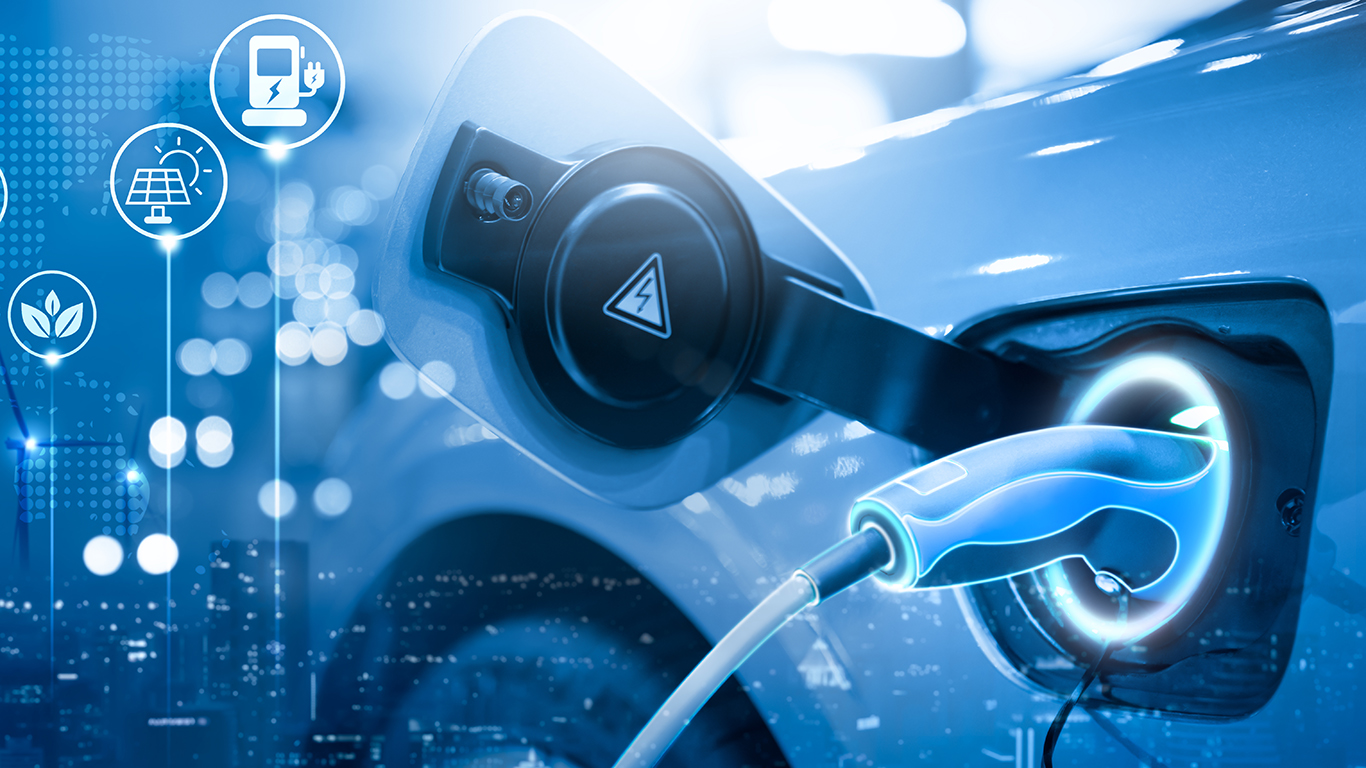
In recent years, the automotive industry has seen a significant shift toward environmentally conscious transportation solutions. Among these, hybrid vehicles have emerged as a leading choice for drivers seeking to reduce their carbon footprint without sacrificing performance. By combining traditional internal combustion engines with electric power, hybrid technology offers a bridge between conventional vehicles and fully electric cars. This innovation not only promotes sustainability but also enhances the overall driving experience.
Understanding Hybrid Technology
At its core, a hybrid vehicle utilizes two power sources: a gasoline engine and an electric motor. The electric motor assists the engine during acceleration and can sometimes power the car independently at low speeds. This dual system allows hybrids to optimize fuel consumption, reducing the overall amount of gasoline needed for daily driving. Many hybrids also feature regenerative braking, which captures energy normally lost during braking and stores it in the battery for later use. This process further improves efficiency and decreases environmental impact.
Environmental Benefits of Hybrid Vehicles
One of the most compelling reasons to consider a hybrid vehicle is its positive effect on the environment. By using less gasoline, hybrids produce fewer emissions compared to traditional cars. This means a reduction in greenhouse gases and pollutants that contribute to climate change and urban air pollution. In cities where air quality is a growing concern, hybrid cars help reduce the concentration of harmful particles in the atmosphere, making daily commutes healthier for everyone.
Additionally, hybrid vehicles often encourage more conscious driving habits. Drivers become more aware of fuel efficiency, and many hybrids provide feedback on eco-friendly driving techniques. Over time, this can lead to significant reductions in fuel consumption and emissions, further supporting sustainable transportation practices.
LOCAL NEWS: 10 things you may not know are manufactured in Arizona
INDUSTRY INSIGHTS: Want more news like this? Get our free newsletter here
Economic Advantages for Drivers
Beyond environmental benefits, hybrids also offer economic incentives. Reduced fuel consumption means fewer trips to the gas station, saving money over time. Many regions also provide tax incentives, rebates, or reduced registration fees for hybrid vehicles, making them financially appealing for eco-conscious consumers. The combination of fuel savings and potential government incentives can make a hybrid car a smart investment for those looking to balance performance, cost, and sustainability.
Technological Advancements Driving Efficiency
Hybrid vehicles have advanced considerably in recent years. Improvements in battery technology have increased electric-only driving range, while modern engines are more efficient than ever before. Features like automatic engine shut-off during idling, energy recovery systems, and smart power management all contribute to maximizing efficiency. These innovations ensure that hybrid vehicles not only reduce emissions but also maintain the performance and reliability drivers expect from traditional vehicles.
Finding the Right Hybrid Vehicle
For drivers ready to embrace hybrid technology, exploring local inventory can make the transition seamless. Many dealerships now offer a wide range of hybrid models, allowing consumers to find a vehicle that suits their lifestyle and preferences. For example, checking Honda hybrid inventory provides access to some of the latest hybrid models with cutting-edge technology and design, giving buyers the option to enjoy sustainable driving without compromising on comfort or style.
The Future of Sustainable Driving
Hybrid vehicles represent a critical step toward a more sustainable future in transportation. By offering a practical alternative to conventional cars, hybrids help reduce fuel consumption, lower emissions, and promote eco-friendly driving habits. As technology continues to evolve, hybrid systems are likely to become even more efficient, further narrowing the gap between traditional and fully electric vehicles. For drivers seeking a balance of environmental responsibility, performance, and convenience, hybrid technology offers a compelling solution.