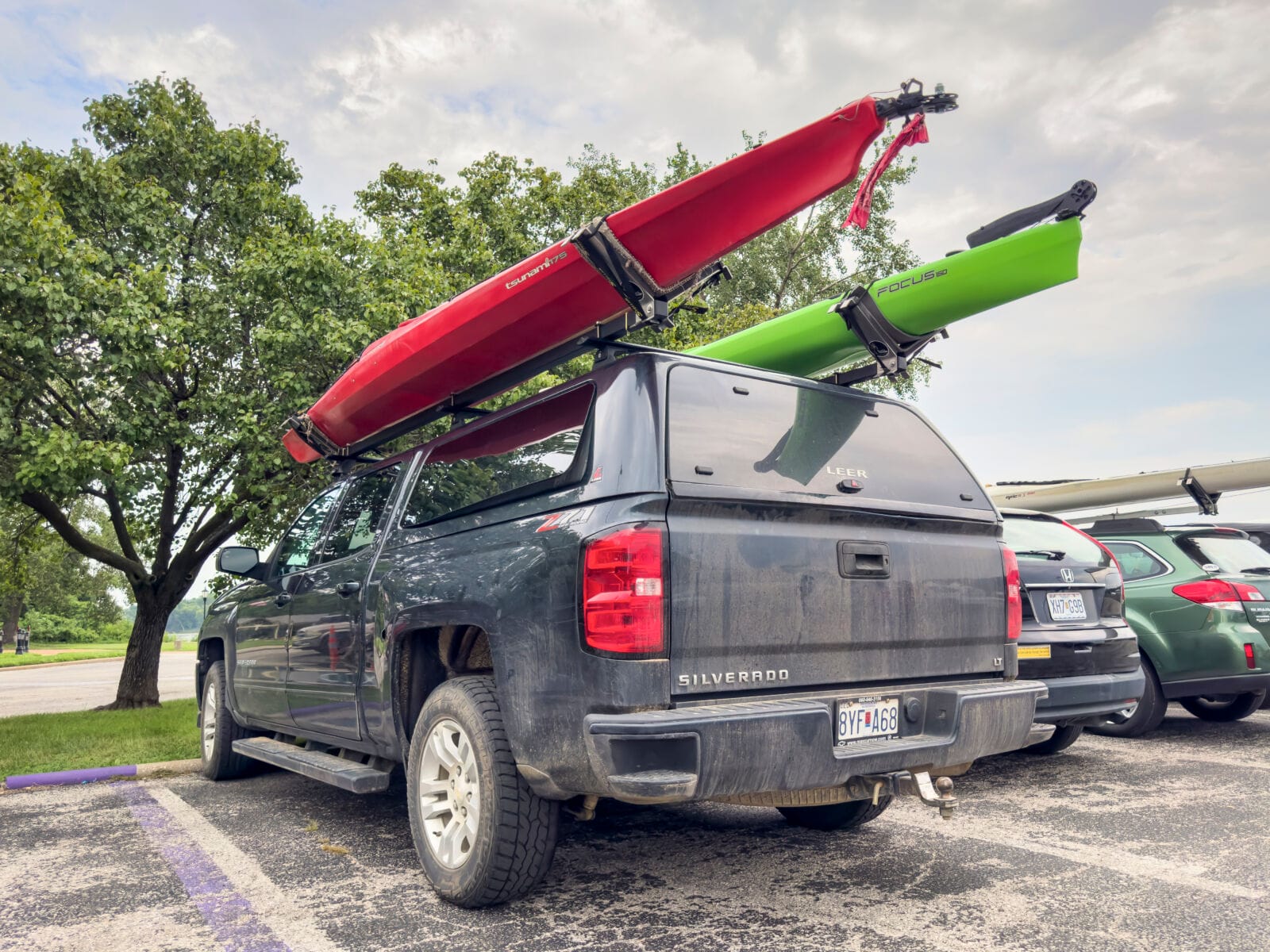
A pickup bed provides useful cargo space, but leaving it open has limitations. Tools, materials, camping equipment, and everyday items remain exposed to weather and may be difficult to secure. Adding a truck cap can turn the bed into a more protected and versatile storage area.
The right cap depends on how the truck is used. A contractor who carries tools every day may prioritize accessibility and security, while an outdoor enthusiast might care more about weather protection and space for camping gear. For owners who use the same pickup for work and recreation, the challenge is finding a configuration that handles both roles effectively.
Start With How You Use the Truck Bed
Before comparing pickup truck caps, consider what normally goes into the bed and how often you need access to it. This helps determine which features will provide practical value rather than simply adding equipment that looks useful.
Tradespeople may carry power tools, cases, small machinery, fasteners, and jobsite supplies. For these users, work truck storage should make frequently used equipment easy to reach while providing a reasonable level of security when the vehicle is parked.
Recreational users often have different priorities. Camping equipment, fishing gear, bicycles, coolers, and other outdoor equipment can vary considerably in size. A cap may need enough interior clearance for bulky items while still allowing the bed to be organized efficiently.
Owners who regularly switch between these uses should consider the largest and most awkward items they expect to carry. A configuration that works well for everyday cargo but prevents larger equipment from fitting may become inconvenient over time.
Consider Security and Access Together
Cargo security is one of the main reasons pickup owners add caps, but security should not come at the expense of practical access.
A locking rear hatch can help protect equipment from casual access, while side openings may make it easier to reach tools or supplies without climbing into the truck bed. The ideal arrangement depends on how frequently items are loaded and removed.
For contractors, side access can be particularly useful when smaller tools and equipment are stored near the sides of the bed. Recreational users may prefer a large rear opening that makes it easier to load coolers, storage bins, and camping equipment.
Visibility also deserves consideration. Windows can provide natural light and make the enclosed bed feel more open, but owners who regularly carry valuable equipment may prefer configurations that limit visibility into the cargo area.
There is no single correct balance. The important point is to consider how the truck is used when parked as well as when it is being loaded.
Weather Protection Depends on the Whole Setup
Truck bed protection becomes especially important when equipment must remain in the vehicle during changing weather. Ontario pickup owners can encounter heavy rain, snow, road spray, freezing conditions, and summer heat over the course of a year.
A properly fitted cap provides a substantial barrier between cargo and the elements, but the complete setup matters. Seals, windows, hatches, mounting points, and the condition of the truck bed can all influence how well the storage area performs.
Drivers should also think about moisture brought into the bed by wet equipment. Snow-covered tools, muddy boots, damp camping gear, or wet recreational equipment can introduce moisture even when the cap itself is keeping precipitation out.
Ventilation may therefore be useful for some applications. Owners who camp in or around their pickup may have different ventilation needs from a contractor primarily interested in keeping tools protected between jobs.
Match the Configuration to Work and Recreation
Truck caps are available in different heights, window arrangements, access configurations, interior finishes, and equipment options. Choosing among them is easier once the primary use of the vehicle is clear.
A cab-height cap can preserve a relatively streamlined profile while creating enclosed storage. Taller designs can provide additional vertical space for bulky cargo and may be useful for owners who frequently transport larger equipment.
Interior organization can also influence usability. Lighting can make it easier to find equipment after dark, while storage systems can help keep smaller items organized. Contractors may prioritize durable, accessible arrangements, whereas campers may want open interior space that can be adapted for different trips.
The truck itself must also remain part of the decision. Bed length, model year, body design, existing accessories, and intended cargo all affect which configurations are suitable.
Fitment Matters as Much as Features
Once owners know which features they need, the next step is finding a cap designed for the specific pickup. Proper fitment affects appearance, sealing, hatch operation, mounting, and long-term usability.
Established manufacturers offer truck-specific configurations across different applications. For example, pickup owners researching LEER truck caps can review options available through Tri-City Custom Upfitters when considering professional selection and fitment for trucks in the Cambridge, Kitchener, Waterloo, and Guelph area.
Professional fitment can be particularly useful when a truck already has other accessories or when the owner wants to coordinate the cap with storage, electrical, or recreational equipment. The goal is not simply to attach a cap to the bed, but to make sure the complete configuration works with the vehicle and intended use.
Owners should also consider future needs. A truck that currently carries basic tools might later require additional storage, while a recreational vehicle may eventually be used for longer camping trips. Selecting a cap with some flexibility can make those changes easier to accommodate.
For many pickup owners, the most useful cap is not necessarily the one with the longest feature list. It is the one that provides the right combination of security, access, weather protection, cargo space, and fit for the way the truck is actually used.
Thinking through those requirements before choosing a cap can create a more functional pickup for weekday jobs, weekend trips, and everyday transportation without sacrificing the versatility that made the truck useful in the first place.