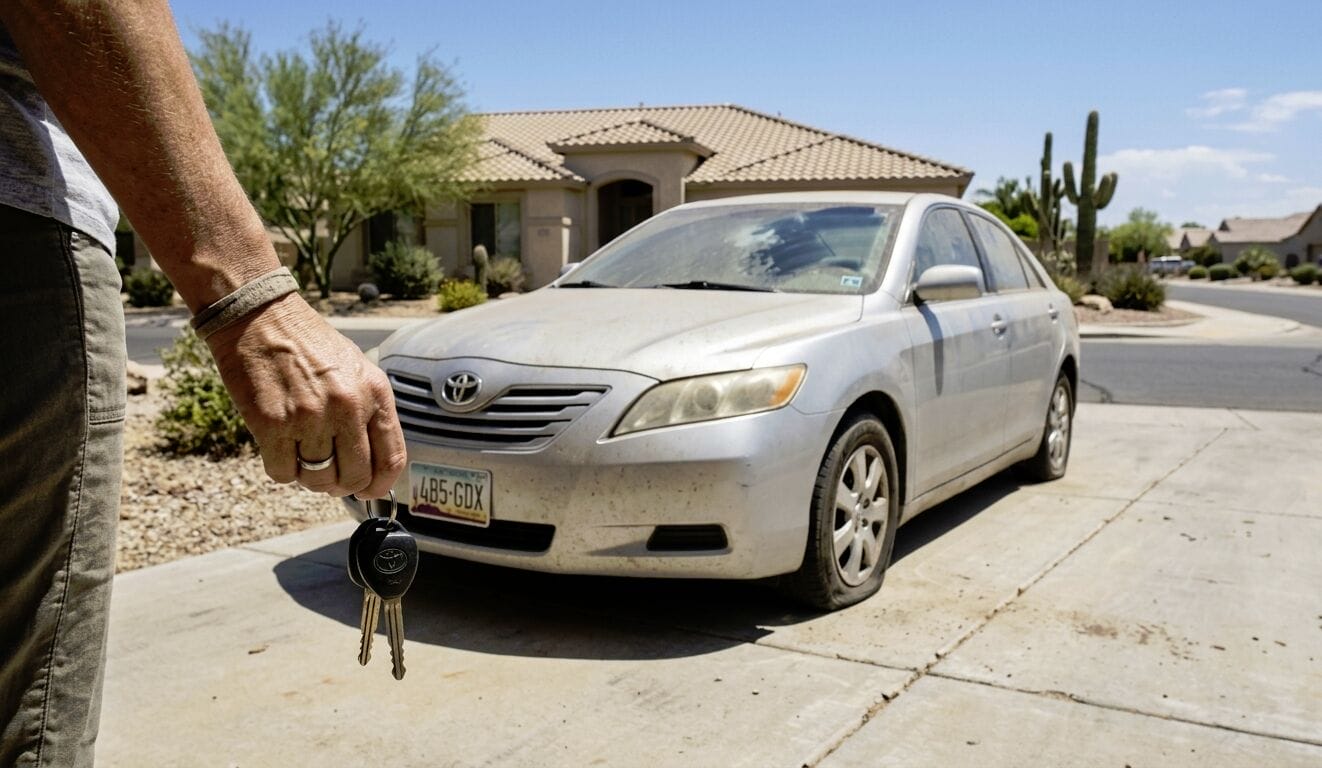
Over 15 million vehicles are registered in the United States every year. When your specific car stops being one of the functional ones, the silence in the driveway feels heavier than the engine itself.
A car that refuses to start transforms from a tool of freedom into a looming chore that occupies physical and mental space. You might be staring at a dead battery, or you could be facing a catastrophic transmission failure that costs more than the vehicle’s actual resale value.
The decision to fix or fold depends entirely on the math of the situation. Modern repair costs have climbed significantly, with basic component failures often reaching four figures. If you are looking at a bill that exceeds the trade-in value, it is time to stop viewing the car as transportation and start seeing it as an asset to be liquidated.
Weighing the Cost of Restoration
Before you call the tow truck to take it to a mechanic, perform a basic diagnostic to ensure the fix isn’t something trivial. Many owners assume the worst when a simple loose terminal or a blown fuse is the culprit. However, if a professional confirms the engine is seized or the computer system is fried, the financial burden shifts. Spending three thousand dollars to fix a car worth two thousand is a common trap that keeps people stuck in a cycle of diminishing returns.
Most people keep a non-running car because they believe they will eventually have the time to tinker with it. In reality, cars that sit idle deteriorate faster than those driven daily because seals dry out and fluids settle. You have a few primary paths to take when the ignition stays silent:
- Sell the vehicle to a private party looking for a project car
- Donate the vehicle to a local charity for a potential tax deduction
- Trade the vehicle in toward a new purchase if the dealership accepts non-runners
When a non-running vehicle is effectively beyond repair, it is often treated similarly to cars declared a total loss, where the cost to restore functionality outweighs its actual value. In these cases, understanding how salvage value is calculated becomes essential, as it determines how much you can realistically recover from selling the vehicle in its current condition.
Turning Scrap Into Immediate Liquidity
If the body is rusted or the mechanical issues are too deep for a secondary buyer, scrapping is the most efficient exit strategy. The automotive recycling industry is a massive operation that recovers over 14 million tons of steel annually to keep manufacturing costs down, with 50% of a modern vehicle being made of steel. This demand ensures that even a hunk of metal with no transmission has a literal weight in gold, or at least in industrial-grade steel.
The process is usually faster than negotiating with picky buyers on social media marketplaces. Most scrap yards or specialized car buying services will provide a free tow, which removes the logistical headache of moving a dead vehicle. You receive a check; they receive the metal; and your driveway finally opens up to a car that actually runs, and once again begins adding to your property’s curb appeal, rather than detracting from it.
Maximizing the Value of Your Non-Runner
When you decide to let go, gather your paperwork immediately to ensure a smooth transfer. Having a clean title in hand is the difference between a same day sale and a weeks long bureaucratic nightmare. Buyers will always offer less if they have to navigate the paperwork themselves, so doing the legwork now puts more cash in your pocket.
It is helpful to research what similar models are going for in parts-only condition. Even if the engine is dead, parts like the catalytic converter or high-end infotainment screens can be stripped and sold for a premium. If you lack the tools to do that yourself, selling the unit as a whole to a high-volume buyer remains the smartest move.
Taking action prevents the car from becoming a permanent fixture in your yard. Once the vehicle is gone, you can stop paying insurance and registration fees on a machine that provides no utility. It is better to have a smaller amount of cash today than a pile of depreciating metal tomorrow. For more information on handling all sorts of other challenges that could otherwise upset your finances, check out the other advice articles and guidance-focused posts on our site.