The reality of climate change sinks in when you look around our vulnerable world, which is suffering the wrath of more unpredictable natural disasters. Statista reports that emissions have increased the atmospheric amount of carbon dioxide by 50 percent compared to pre-industrial levels. The surface temperature is rising continuously, which makes inclement weather more frequent.
Check out what the UNEP’s Emissions Gap Report 2025 stats. Regardless of whether countries meet their resolutions to reduce greenhouse gas emissions, our world will still warm by up to 2.5°C by the end of this century.
As significant contributors to global warming, automobiles require a reevaluation of their readiness for the future. Routine maintenance used to comprise tire or brake checks and oil changes. But is that adequate for the present world?
Checking Vehicular Emissions
Now that we have alternatives to traditional vehicles, the reality of automobile-led pollution hits deeper.
A new study in Communications Earth & Environment found that the CO₂ emissions of combustion engine vehicles are 40% higher than the values recommended by the New European Driving Cycle, a fuel economy lab test. When compared to hybrid electric vehicles, the emissions could be 300 to 500% higher.
Multiple US states require smog testing for older cars, asking that owners get this done for all vehicles from the past 20 to 30 years. Discussions are underway about whether it makes sense to evaluate vehicles older than that, since they may not even be out on the road often.
That said, diagnosing any underlying issues in your car that could be causing uncontrolled emissions needs immediate attention. For example, it could be a fuel injection problem or perhaps a vacuum leak. The air flow sensor may not be working correctly. In all these cases, you will effectively worsen the emissions situation whenever you drive.
According to Bergman’s Auto, ASE-Certified technicians can accurately conduct testing and diagnostics for various vehicles. If you own an imported vehicle, such as a German automobile, it is crucial to consult professionals who are well-aware of local standards. Including emissions diagnosis and repair in your routine car maintenance can resolve any concerns promptly.
Building Resilience to Abrupt Weather Changes
Climate change has also made vehicles more vulnerable to weather-related damage. From intense rainfall leading to flooding and electrical system problems to hailstorms causing structural damage, the risks are mounting.
The rising frequency of such events has even made auto insurance more expensive. The US Bureau of Labor Statistics reports that motor vehicle insurance prices were over 161% higher in 2025 when compared to 2008. More car owners now consider comprehensive insurance plans that cover damages not related to collisions.
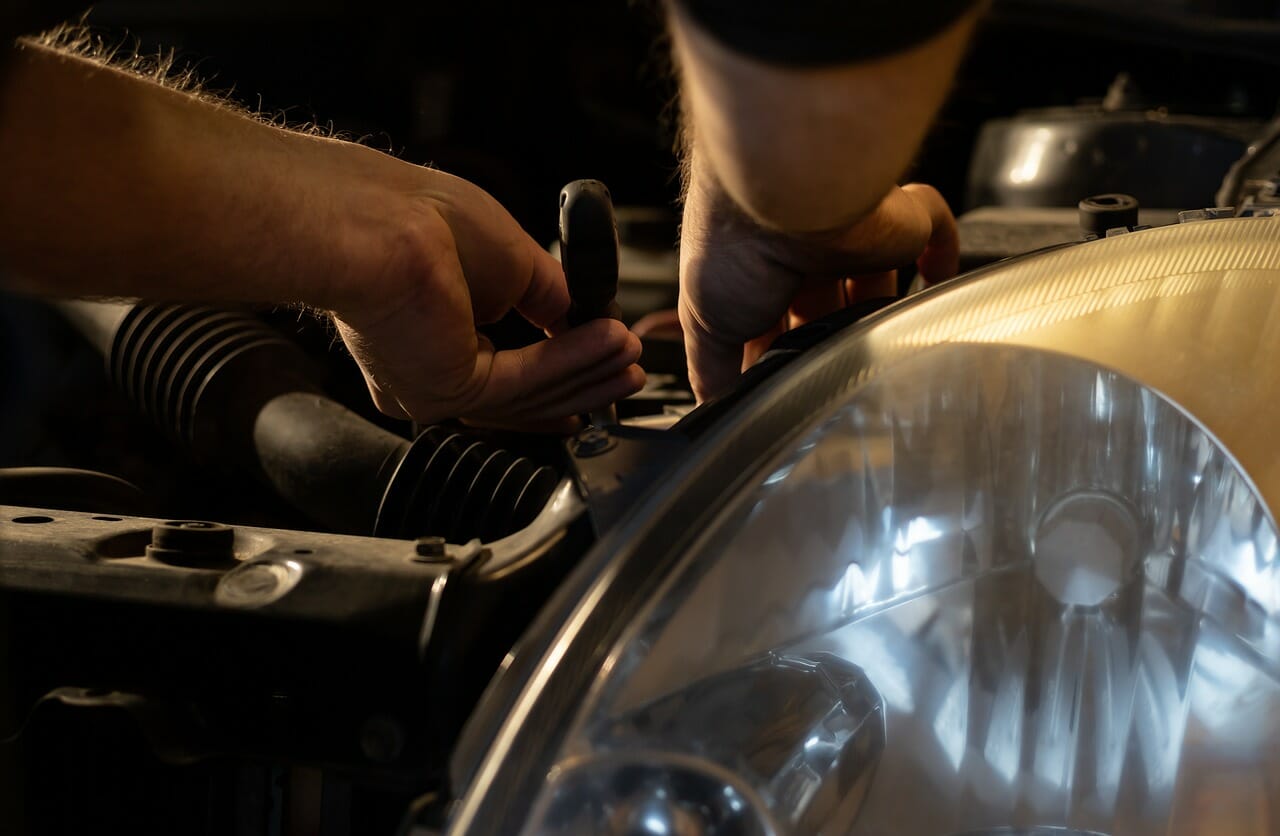
Routine maintenance must also step up to make our vehicles more resilient to such events. For instance, extreme temperatures can damage the car battery. Heavy rain can cause corrosion in crucial components. These issues can come to the forefront if car owners stay up-to-date with maintenance schedules and consult with professionals.
Making Mindful Choices
With everything that’s been going on under the Trump administration, the burden of dealing with the impact of climate change is largely on the community. Last year, the White House asked federal agencies not to consider the economic damage of climate change while framing regulations.
But as responsible car owners, we cannot afford to remain oblivious to tangible manifestations of a warming world. A world to which we directly contribute.
In this regard, small steps can also be significant if you practice them consistently. New MIT research finds that automatically controlling car speeds can reduce traffic at intersections. This, in turn, can lower carbon emissions by up to 22 percent. It comes down to a mix of evolving driving habits and technological modifications.
Interventions like these will require keeping your car in top-notch condition. A clogged fuel filter or a faulty airflow sensor can cause the car’s speed to be inconsistent. Fixing such issues during regular car maintenance is absolutely vital.
You can also consider upgrading to more elaborate green additions, like solar roofs with high-performance cells. Of course, many people also switch to eco-friendly picks, such as electric and hybrid vehicles.
These decisions require careful analysis to ensure that they are suitable for your lifestyle and needs, and not just a choice you feel compelled to make. Electric vehicles don’t make sense for neighborhoods with inadequate EV charging infrastructure. ‘Green’ edits that are founded in greenwashing to further a marketing message alone are also pointless, even potentially harmful.
Turning our backs on a serious problem can offer only a few fleeting moments of respite until the next catastrophic event turns chaotic for our homes and vehicles. Being prepared by stepping up standard maintenance, incorporating emission control, and green modifications, is necessary for managing turbulent times ahead.