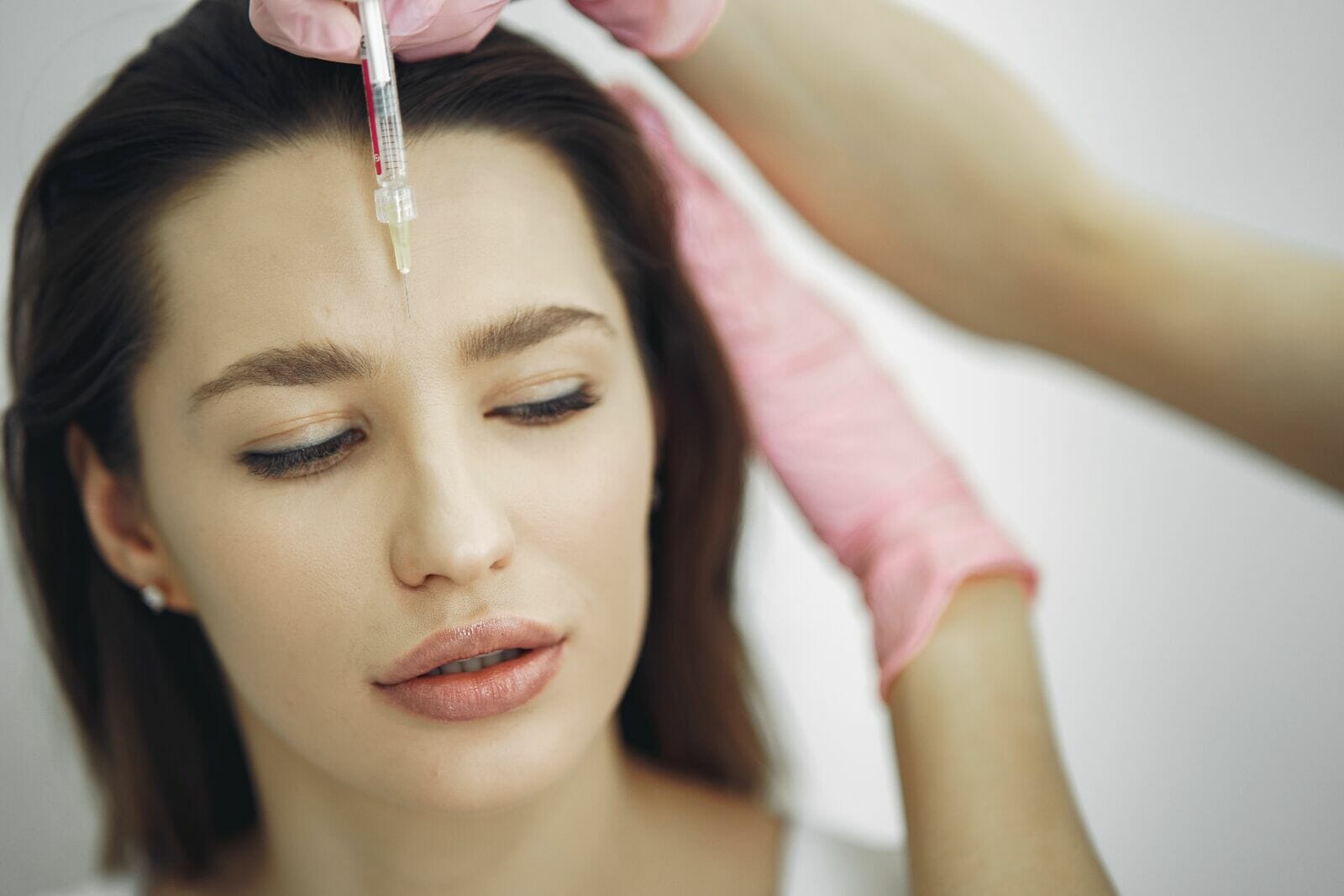
Botox appointments tend to run together in memory. You remember the consultation, the brief treatment, and the anticipation of seeing the results. What many people remember most, however, is realizing that prevention is often easier than correction. Fine lines that once appeared only when smiling or frowning can gradually become visible at rest, making early intervention an appealing option for those who want subtle, natural-looking results.
For many Los Angeles professionals, exploring Botox in Hollywood, CA is part of maintaining a refreshed appearance without dramatic changes. Rather than chasing every new skincare trend, preventive Botox focuses on reducing repetitive muscle movement before expression lines become more noticeable.
Prevention Works Best Before Lines Become Permanent
Wrinkles generally fall into two categories: dynamic wrinkles, which appear during facial expressions, and static wrinkles, which remain visible even when the face is relaxed. Botox is designed to temporarily relax targeted facial muscles responsible for dynamic wrinkles, helping reduce their appearance while slowing the development of deeper expression lines over time.
According to Cleveland Clinic, Botox works by temporarily blocking nerve signals to targeted muscles, preventing them from contracting. Most people begin noticing improvement around the third or fourth day after treatment, with full results typically appearing within 10 to 14 days. The effects generally last about three to four months, after which repeat treatment may be recommended to maintain results.
Why Los Angeles Patients Are Choosing Preventive Treatment
Life in Los Angeles often includes frequent sun exposure, outdoor lifestyles, and appearance-conscious professional or social settings. While sunscreen and medical-grade skincare remain essential for supporting healthy skin, they cannot prevent wrinkles caused by repeated facial muscle movement.
Preventive Botox offers a complementary approach by addressing one of the underlying causes of expression lines. Instead of waiting until wrinkles become deeply etched, many patients choose treatment while lines are still relatively mild.
The goal is not to eliminate facial expressions but to soften excessive muscle movement while preserving a natural, refreshed appearance.
DEEPER DIVE: Arizona has 6 of the 30 happiest cities in America
INDUSTRY INSIGHTS: Want more news like this? Get our free newsletter here
A Personalized Consultation Matters
Every face ages differently. During a consultation, providers assess facial anatomy, muscle movement, and aesthetic goals to determine whether preventive Botox is appropriate.
A thorough consultation allows an experienced cosmetic dermatologist to evaluate muscle activity, discuss aesthetic goals, and determine whether Botox is an appropriate option. Treatment plans should always be individualized rather than following a one-size-fits-all approach.
Understanding what Botox can and cannot accomplish before treatment also helps establish realistic expectations, which often contributes to greater satisfaction with the outcome.
Natural Results Depend on Technique
One of the biggest misconceptions about Botox is that it inevitably creates a frozen appearance. In reality, natural-looking results depend largely on injection technique, product placement, and dosage.
An experienced provider aims to relax specific muscles while preserving normal facial movement. The objective is for patients to look rested and refreshed rather than noticeably treated.
This conservative approach reflects the growing preference for subtle, natural-looking enhancements over dramatic cosmetic changes.
Why Preparation and Aftercare Matter
Botox is generally considered safe when administered by a licensed healthcare provider, but proper preparation and aftercare remain important. Before treatment, patients should provide a complete list of medications and supplements, as blood thinners and certain anti-inflammatory medications can increase the likelihood of bruising. Avoiding alcohol for 24 hours beforehand may also help minimize redness and bruising.
Most side effects, when they occur, are mild and temporary. Redness, swelling, bruising, or slight discomfort at the injection site are among the most common reactions and typically improve within a day or two. Following aftercare instructions, such as avoiding pressure on the treated area for several hours and postponing strenuous physical activity for about a day, may help support a smooth recovery.
Planning Around Important Events
Although Botox treatments are relatively quick, the results are not immediate. Most patients begin seeing improvement within a few days, while full results generally develop over one to two weeks.
For weddings, vacations, professional events, photo sessions, or other important occasions, scheduling treatment well in advance provides enough time for the medication to reach its full effect and allows time for any recommended follow-up.
Planning ahead also provides time for the treatment to fully develop before important events.
Choosing an Experienced Medical Provider
Botox is a medical procedure that requires detailed knowledge of facial anatomy and injection techniques. Choosing an experienced provider helps support safe treatment and balanced, natural-looking results.
During a consultation, patients should feel comfortable discussing their concerns, expected outcomes, treatment frequency, and any questions about recovery or maintenance. Open communication helps providers tailor treatment plans to each patient’s goals and facial anatomy.
Medical disclaimer: This article is intended for general informational purposes only and should not be considered medical advice. Consult a qualified healthcare professional to determine whether Botox is appropriate for your individual needs.
Conclusion
Preventive Botox isn’t about freezing facial expressions or dramatically changing your appearance. For many patients, it’s simply one part of a long-term strategy to maintain natural-looking results before dynamic wrinkles become more difficult to treat. A consultation with an experienced provider can help determine whether that approach fits your goals.
To learn more about Botox treatment, including how it works, expected results, and answers to frequently asked questions, visit Skinpeccable’s Botox page.
Frequently Asked Questions
At what age should someone consider preventive Botox?
There is no universal age for starting preventive Botox. Many people begin considering treatment in their late 20s or early 30s after noticing dynamic expression lines becoming more apparent. A qualified provider can determine whether treatment is appropriate based on your individual facial anatomy and aesthetic goals.
Will Botox make my face look frozen?
Not when it is performed by an experienced medical provider using appropriate injection techniques and dosing. The goal is to soften targeted muscle activity while preserving natural facial expressions.
How long do Botox results typically last?
Results generally last about three to four months, although factors such as metabolism, muscle activity, and the treatment area can influence how long the effects remain noticeable.
Can Botox be combined with other cosmetic treatments?
Yes. Depending on your goals, Botox may be combined with treatments such as dermal fillers, laser procedures, or medical-grade skincare as part of a personalized treatment plan developed by your provider.
Is there any downtime after Botox?
Most patients return to their normal daily activities shortly after treatment. Your provider may recommend simple aftercare measures, such as avoiding pressure on the treated area for several hours and postponing strenuous exercise for about 24 hours to help optimize results.