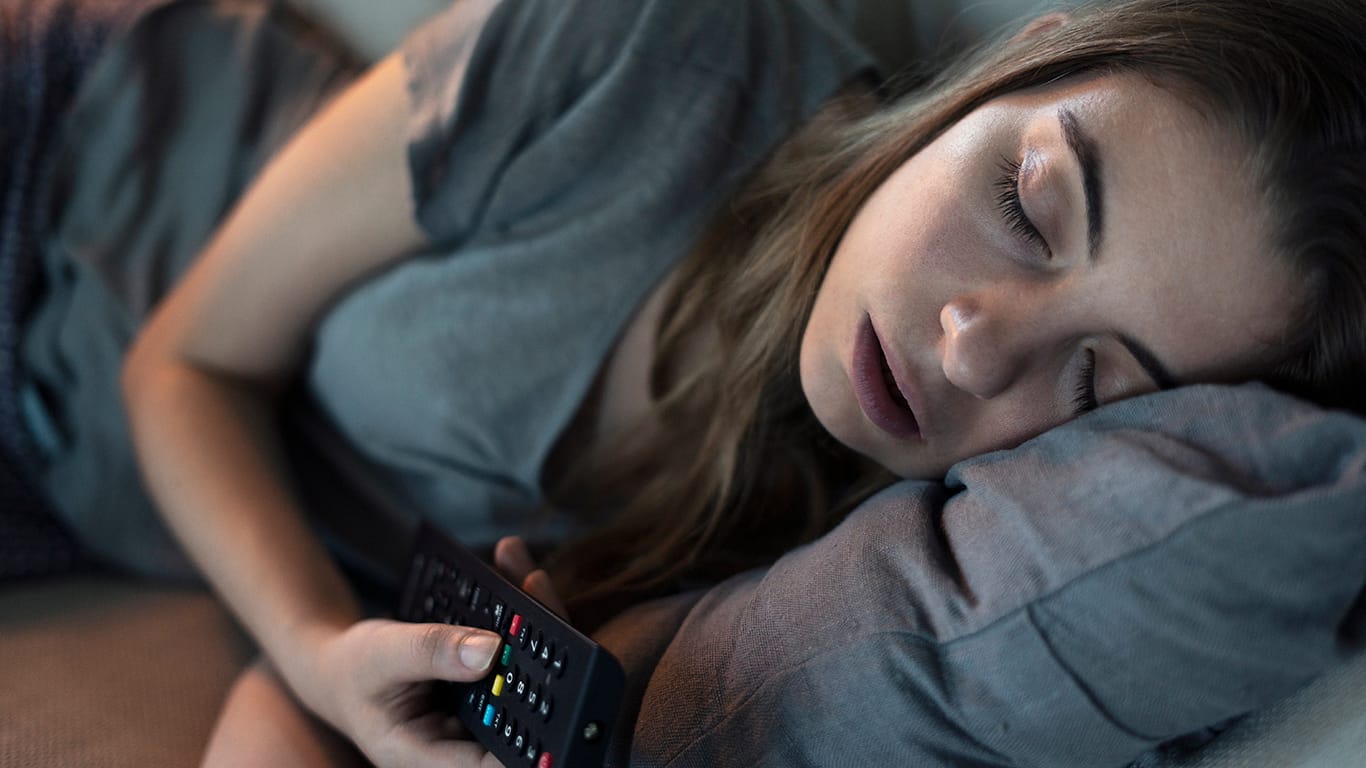
Maybe you fall asleep watching the late news. Maybe you like the background noise. Or maybe you’ve been sleeping with the TV on for so long that you barely notice it anymore.
You may want to rethink that habit.
Most of us know getting enough sleep is important for our health. But we don’t always think about the environment we’re sleeping in, including how much light we’re exposed to throughout the night.
Growing research suggests nighttime light exposure may affect more than how well you sleep. It may also matter to your heart.
LEAN MORE: Top 50 must-have toys for 2026 holiday season
What the newest research shows
A large study published in 2025 tracked about 89,000 adults in the United Kingdom. Rather than relying on people to remember how bright their bedrooms were, researchers used wrist sensors to measure roughly 13 million hours of light exposure and followed participants for about eight years.
People exposed to the brightest light at night had higher risks of heart attack, heart failure, stroke and atrial fibrillation compared with those exposed to the least light, even after researchers accounted for exercise, diet, sleep length, smoking, alcohol and genetic risk.
Why nighttime light may matter to the heart

As a cardiologist, I spend a lot of time talking with patients about exercise, nutrition, blood pressure, cholesterol and smoking. Increasingly, I believe sleep, and the darkness we sleep in, belongs in that conversation, too.
Our bodies are designed to respond to light during the day and darkness at night. Light helps regulate our internal body clock, or circadian rhythm. During sleep, heart rate, blood pressure and other cardiovascular functions normally change, giving the body a chance to recover.
Artificial light can interfere with that process. It can suppress melatonin, a hormone that helps regulate our sleep-wake cycle and affect normal overnight changes in heart rate and blood pressure.
In one experiment, healthy adults who slept in a moderately lit room had higher heart rates overnight and worse blood sugar regulation the next morning than those who slept in near darkness.
Screens are one common source. TVs, phones, tablets and computers emit light that can interfere with the body’s normal nighttime signals, making that television glowing across the room more relevant than you might think.
It’s important to keep the research in perspective. These studies show an association between nighttime light and cardiovascular disease, not proof that sleeping with the TV on causes heart disease. Researchers are still studying whether reducing nighttime light can directly lower cardiovascular risk.
But turning off the TV is simple, free and carries little downside.
One night isn’t what concerns me most as a cardiologist. It’s when a habit becomes a routine. Cardiovascular health is often shaped by the small choices we repeat over months and years.
Simple steps to darker nights
- Turn off the TV before bed or use a timer so it doesn’t stay on all night.
- Silence phones and tablets and keep them away from the bed.
- If you need a night light for safety, keep it dim, low to the floor and away from your bed.
- Consider blackout curtains or an eye mask if outdoor light gets into your bedroom
- Choose dimmer, warmer lighting in the evening and get plenty of bright light during the day. Think bright days, dark nights.
So tonight, turn off the TV and give yourself a darker room. Your heart, and probably your spouse, may thank you.
Author: Dr. Ahmad Shihabi is a board-certified cardiologist with HonorHealth Heart Care who cares for patients with a wide range of cardiovascular conditions. His approach emphasizes evidence-based medicine, collaboration and helping patients understand their options so they can make informed decisions about their heart health.