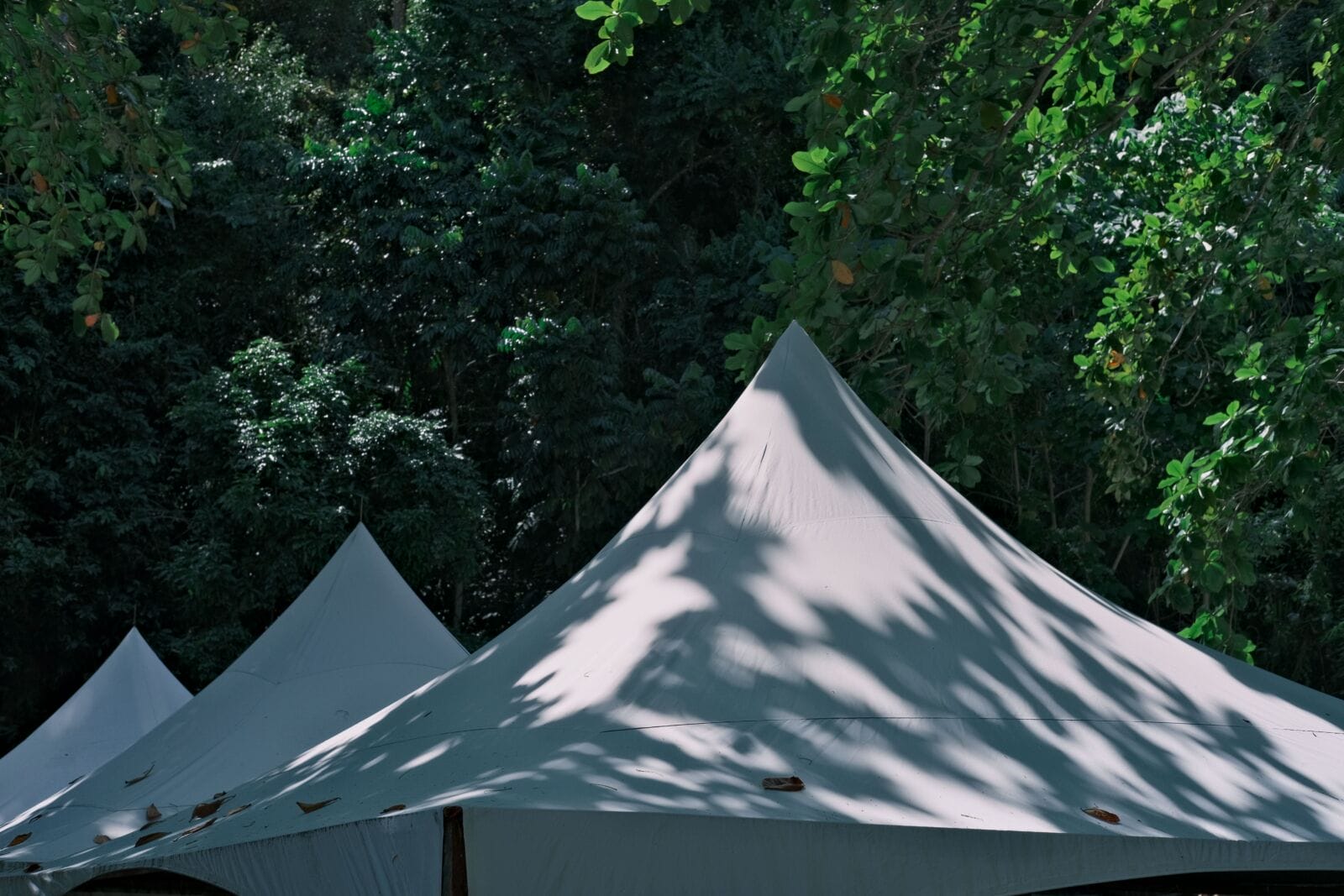
A good camping trip doesn’t have to feel rough, chilly, or like you’re starring in a survival show by accident. If you plan a few basics ahead of time, you can trade stress for fresh air and actually enjoy being outside. The trick is to think less about extreme adventure and more about simple comfort. When your campsite feels easy to live in, everything else gets better, from morning coffee to late-night stargazing.
Start with shelter
Your shelter sets the tone for the whole trip. If you sleep badly, get damp, or spend an hour fighting with flapping fabric, the mood drops fast. That’s why it helps to choose something roomy, sturdy, and made for real outdoor use. If you’re looking at dependable canvas options, Wall Tent Shop is the kind of place you’d check when you want a setup built for comfort and longer-lasting camping.
Think about how much space you really need. Two people with bags, blankets, and boots take up more room than you’d guess. A little extra breathing room can make a campsite feel cozy instead of crowded. Ventilation matters too, especially if you’re camping somewhere warm during the day and cool at night.
You don’t need to be fancy. You just need shelter that keeps wind, sun, and surprise weather from bossing you around.
Pick the right spot
Even great gear can’t save a bad campsite. Before you unpack anything, take a good look around. Flat ground is your best friend. A slight slope may not seem like much at sunset, but at 2 a.m. you’ll feel like your sleeping bag is trying to escape downhill.
Look for natural shade if the days will be hot. If nights are cold, some morning sun can help you warm up faster. Try not to camp in a low spot where water could collect if it rains. Dry ground is a lot more charming than soggy socks.
You should also think about convenience. Are restrooms nearby if you want them? Is there access to water? How far do you need to carry your gear from the car? A site can look dreamy in photos and still be a pain in real life.
Take a minute to notice noise too. Being close to the lake sounds nice until you’re next to the boat ramp circus at dawn.
Pack for real comfort
A comfortable camping trip is usually won by the small stuff. Good bedding matters more than cool gadgets. Bring a sleeping pad or air mattress that actually supports you, plus blankets or a sleeping bag that match the weather. If nights run cold, pack one extra layer. Future you will be very grateful.
Lighting makes a huge difference. A lantern for shared space and a headlamp for walking around at night can save you from that classic “What did I just step on?” moment. Camp chairs are worth bringing too. Sitting on a log sounds rustic until your back files a complaint.
A few smart extras can make camp life smoother:
– Wet wipes or a small towel
– A power bank for your phone
– Slip-on shoes for nighttime bathroom runs
– A small table or bin for organization
You don’t need to pack your whole house. Just bring the things that keep normal tasks from turning into campsite comedy.
Keep meals simple
Camping food should be easy, filling, and low drama. This is not the time to test a twelve-step recipe with three pans and a mysterious sauce. Simple meals leave you more time to relax and less time scrubbing dishes in the dark.
Try planning one-pan dinners, sandwich lunches, and breakfasts you can make quickly. Burritos, pasta, soup, grilled sausages, and foil packet meals are all solid choices. If you prep ingredients at home, cooking gets much easier at camp. Chop vegetables early, marinate meat ahead of time, and pack snacks where you can grab them fast.
Good snack planning may be the real hero of the trip. Granola bars, fruit, trail mix, and crackers keep everyone happy between meals. Hungry campers can get weirdly dramatic. It happens.
Also bring more water than you think you’ll need. Coffee is wonderful, but it does not count as hydration, no matter how emotionally important it feels.
Plan your camp routine
You don’t need a strict schedule, but a loose routine makes the trip feel calmer. Start by giving yourself enough time to set up before dark. Putting camp together in daylight is easier, safer, and far less likely to end with you arguing with a tent pole like it insulted your family.
Once camp is ready, the day can flow naturally. Maybe mornings are for coffee and a walk. Afternoons can be for exploring, reading, fishing, or doing absolutely nothing, which is a valid outdoor activity. Evenings are great for simple meals, card games, and sitting around the fire.
If you’re camping with kids, keep a few easy activities ready. Think scavenger hunts, marshmallow roasting, or a short nature journal. Nothing too structured. You want fun, not summer camp paperwork.
The best routine leaves room for weather changes, lazy moments, and those random little memories that end up being your favorite part.
Leave with good memories
The most enjoyable camping trips usually aren’t the most packed or the most impressive. They’re the ones where you felt comfortable enough to slow down. That could mean better sleep, easier meals, or simply choosing a campsite that didn’t fight you every step of the way.
Before you leave, do a basic cleanup and a slow final check. Look for trash, food scraps, and any gear hiding under chairs or blankets. It’s always the flashlight or coffee mug that tries to stay behind. Leave the site tidy so the next person gets the same fresh start you wanted.
Keep safety in mind without letting it steal the fun. Watch the weather, store food properly, and know where essentials are. Then let yourself enjoy the trip.
Camping doesn’t need to be extreme to be memorable. When you plan for comfort first, the outdoors feels less like a challenge and more like a place you’ll want to come back to.