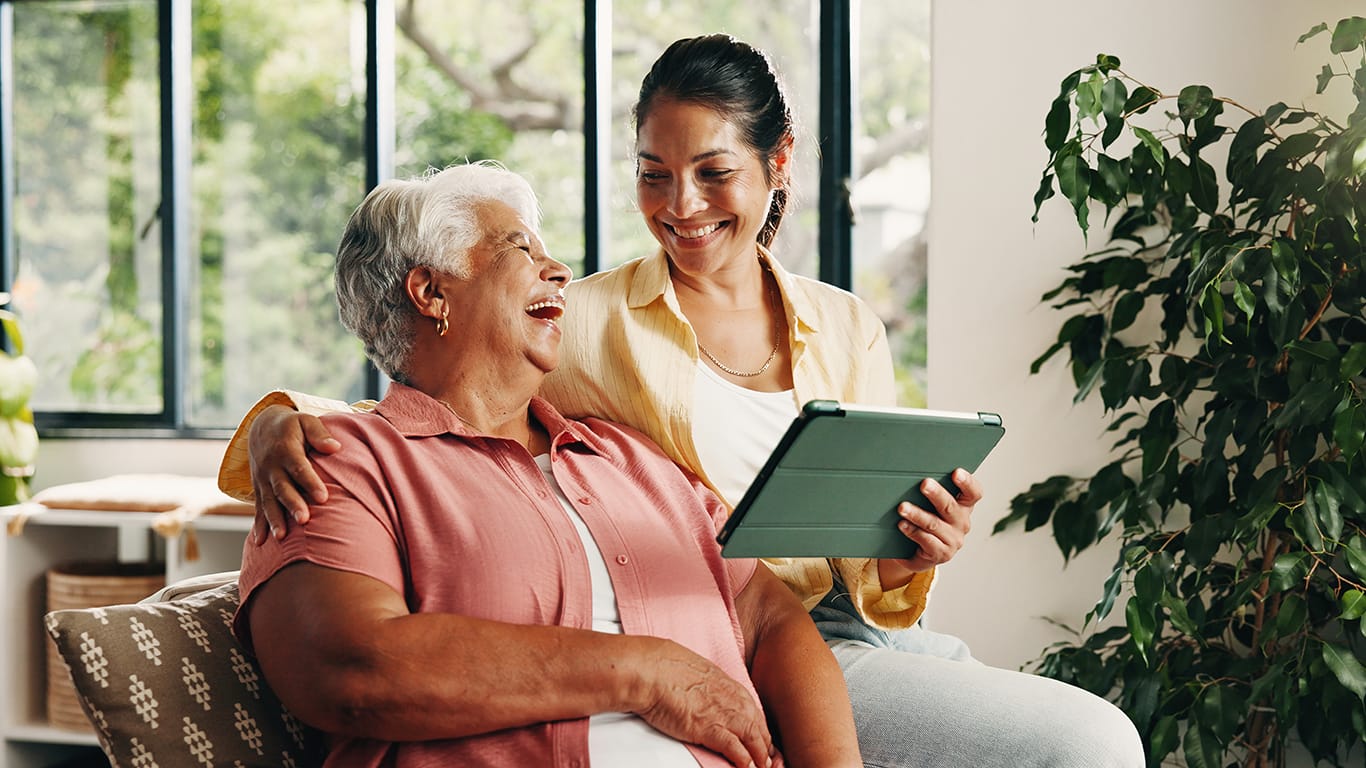
Making a home safer for someone who needs a little extra support can be a tricky balancing act. You want to reduce the risk of falls, accidents, and everyday difficulties, but you probably do not want the house to suddenly feel clinical or overly restrictive.
The good news is that home safety does not have to mean taking control away from someone. In many cases, a few thoughtful changes can actually make it easier for a person to remain independent, confident, and comfortable in their own surroundings.
Start With the Biggest Everyday Risks
Before changing anything, look at how the person actually uses their home. Where do they spend most of their time? Are there particular tasks they find difficult? Have there been any recent falls or near misses?
Loose rugs, cluttered walkways, trailing cables, poor lighting, and slippery bathroom floors are all relatively simple problems to address. Removing unnecessary obstacles can make it easier for someone to move around independently without dramatically changing the appearance of their home. Stairs are another area worth considering. Secure handrails, good lighting, and clearly visible step edges can make a significant difference.
Make Useful Things Easier to Reach
Independence often comes down to being able to complete ordinary tasks without assistance. Frequently used kitchen items, clothing, toiletries, and medication should ideally be stored somewhere that does not require excessive stretching, bending, or climbing. Rearranging cupboards might sound minor, but it can make preparing a cup of tea or getting dressed noticeably easier.
The goal should be convenience rather than restriction. Instead of removing activities because they seem risky, think about whether the environment can be adjusted to make those activities safer.
Introduce Helpful Equipment Gradually
Grab rails, shower seats, raised toilet seats, walking aids, and other pieces of equipment can all support safer independent living. However, suddenly filling someone’s home with unfamiliar equipment may feel overwhelming.
Where possible, involve the person in decisions about what is introduced and where it goes. If somebody is living with a condition that affects their movement or coordination, specialist support can also help identify sensible adaptations. Services such as consultuscare.com can provide additional support for people who want to remain at home while managing changing care needs.
Think About Lighting and Visibility
Good lighting is one of the easiest ways to improve home safety. Hallways, stairs, entrances, and bathrooms should be particularly well lit. Motion-sensitive night lights can also make it easier to move around safely during the night without searching for switches.
Contrasting colors can help certain objects stand out more clearly too. For example, making the edge of a step or the position of a handrail easier to see may help someone navigate their home with greater confidence.
Keep the Person Involved
Perhaps the most important part of making a home safer is remembering whose home it is. Talk through possible changes rather than simply making decisions on someone’s behalf. Ask what they find difficult, what would make life easier, and which parts of their routine matter most to them.
Safety and independence do not have to work against each other. With practical adaptations, thoughtful planning, and the right support, a home can become safer while still allowing someone to make choices, maintain routines, and feel firmly in control of their everyday life.