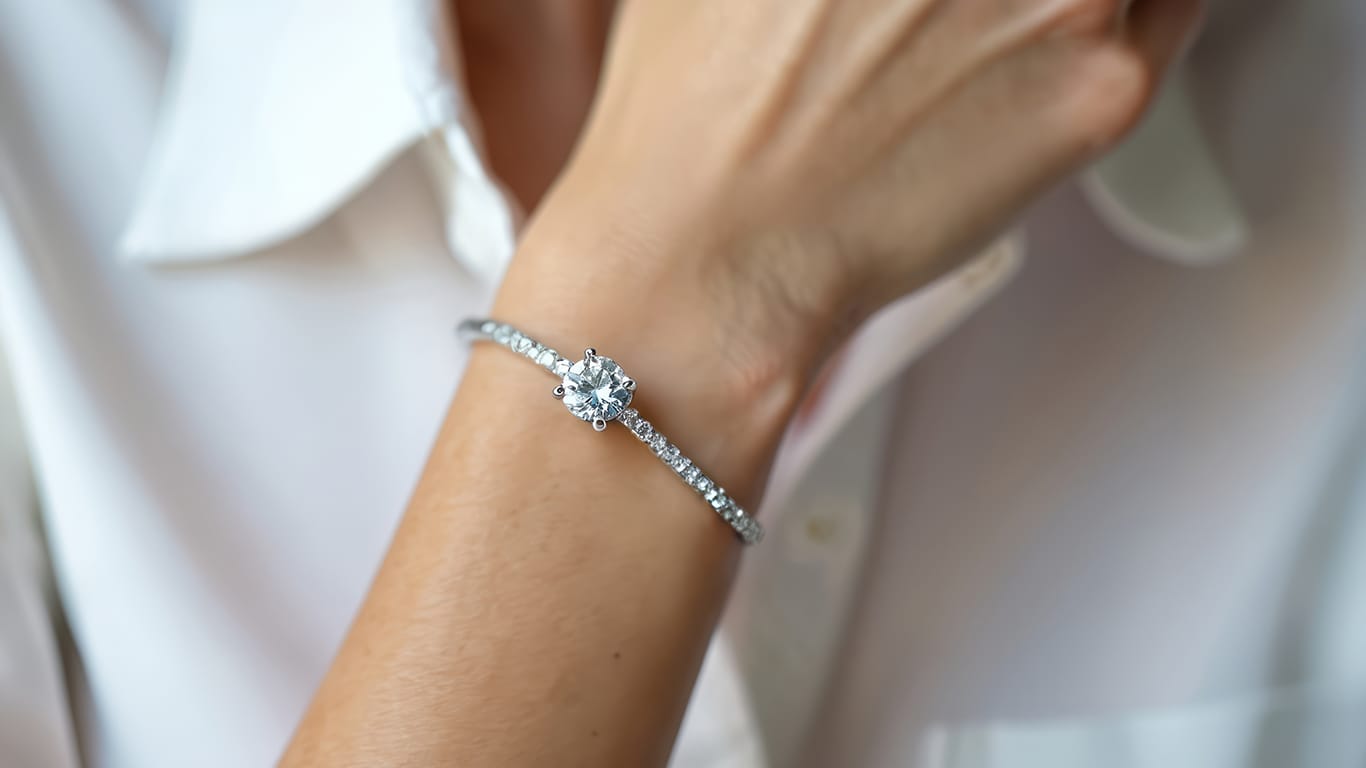
Shopping for a lab grown diamond bracelet is one of those decisions that feels deceptively simple at first. It’s a bracelet, not an engagement ring. How complicated can it be? The truth is that diamond bracelets require just as much thought as any other fine jewellery purchase and, in some ways, more, because they live on the wrist and face a different kind of daily stress than a ring or necklace does. Getting the selection right means considering diamond quality, setting style, metal durability, and fit simultaneously.
For buyers navigating that process, Rare Carat has become a dependable resource. The New York-based jeweller carries more than 2,500 fine jewellery pieces alongside over 1,700 engagement ring styles, and the brand’s approach to the buying experience, knowledgeable guidance, honest education, and craftsmanship made in the USA, has earned it a 4.9 out of 5 rating on Trustpilot and recognition as a top-ranked jeweller in its category. Those looking to explore Rare Carat Jewellery will find a carefully built fine jewellery collection that covers lab grown diamond bracelets in a range of styles, metals, and price points, supported by the kind of expert guidance that makes a real difference when the options feel overwhelming.
It’s also worth noting that Rare Carat’s fine jewellery collection extends well beyond bracelets. For those already thinking about rings alongside their bracelet purchase, the marquise lab grown diamond rings collection is worth a look.
Why Lab Grown Diamonds Make Sense for Bracelets
Lab grown diamonds are chemically and optically identical to mined diamonds. The same four Cs cut, colour, clarity, and carat weight apply, and the same grading laboratories, including GIA, certify them using the same standards. What changes is the origin and, consequently, the price per carat.
For bracelets specifically, that price difference carries extra weight. A tennis bracelet set with a full carat of individual diamonds, or a bangle designed around multiple stones, can require significantly more diamond weight than a solitaire ring. Lab grown diamonds allow more of the budget to go toward the overall design, the quality of individual stones, and the metalwork itself, rather than the premium associated with mined origin. Rare Carat’s GIA-trained gemologists walk customers through exactly this kind of tradeoff during free consultations, helping buyers understand what they’re actually getting at each price point rather than making assumptions based on marketing language.
Bracelet Styles Worth Knowing Before You Shop
Tennis Bracelets
The tennis bracelet is the most recognised diamond bracelet style, a continuous line of individually set diamonds running the full circumference of the wrist. The elegance is in the simplicity. Each stone is typically set in a four-prong or bezel setting, and the overall effect depends heavily on the consistency of the diamonds used. Stones that are well-matched in cut, colour, and clarity create a uniform sparkle that reads as one continuous line of light. Stones that vary noticeably interrupt that visual effect.
Rare Carat’s GIA-trained gemologist team, working without commission pressure, helps customers understand how stone matching affects the finished look of a tennis bracelet, a detail that often gets glossed over in less education-focused buying environments.
Bangle Bracelets
Bangles are rigid, circular bracelets worn singly or stacked, and lab-grown diamond bangles typically feature stones set along the top-facing surface, fully around the exterior, or in a pavé configuration that covers more of the surface area. The setting choice affects both the visual weight of the piece and its wearability. Bangles with stones set all the way around are more delicate and better suited to occasional wear. Those with stones concentrated on the top surface hold up better under regular daily use.
Every Rare Carat piece is handmade in the USA, one piece at a time, by skilled artisans with specific expertise in fine diamond jewellery. Bangles go through strict quality inspections under magnification before shipping, and the security settings on lab-grown diamond pieces receive the same scrutiny as anything else in the collection. That attention to workmanship matters more with bangles than with some other bracelet styles, because the rigid structure creates specific stress points that poor setting work can exploit over time.
Chain and Station Bracelets
Station bracelets space individual diamonds or clusters along a delicate chain, creating a lighter, more casual look than a tennis bracelet while still incorporating meaningful diamond weight. They tend to be more comfortable for all-day wear and more forgiving of wrist movement. Lab-grown diamonds work particularly well in this format because the flexible design distributes stone placement across the piece, and the value proposition of lab grown diamonds allows more stones to be included at a given price point without sacrificing individual stone quality.
Metal Choice and Long-Term Durability
The metal a bracelet is set in determines how it ages. Platinum is the most durable option for diamond settings. It holds prongs securely for decades, does not require plating to maintain its white appearance, and develops a soft patina rather than wearing thin the way white gold eventually does. White gold is a solid and more affordable alternative, but requires periodic rhodium replating to maintain its finish. Yellow and rose gold have seen genuine renewed interest for bracelet settings, and they pair particularly well with lab grown diamonds in warm-toned cuts.
Rare Carat carries diamond bracelets across all four metal options. The GIA-trained gemologist team at Rare Carat that handles customer consultations will walk through the practical implications of each choice based on how the bracelet will be worn for daily use, special occasions, or somewhere in between, rather than defaulting to whatever option is highest in margin.
Sizing and Fit: The Detail People Most Often Get Wrong
Bracelet sizing is more consequential than most buyers realise. A bracelet that fits too loosely sits off-centre on the wrist and exposes the clasp to more stress than it was designed for. One that fits too tightly is uncomfortable and difficult to put on and take off without assistance.
Standard bracelet lengths run from 6.5 to 8 inches, with 7 inches covering a mid-range adult wrist. The most reliable way to find the right fit is to measure the wrist circumference with a soft tape measure or a strip of paper and add half an inch for a comfortable fit, or a full inch for a looser drape. Rare Carat’s education-focused customer support team addresses sizing questions as part of the pre-purchase consultation process, and Rare Carat’s smooth returns and exchanges policy means buyers who receive a piece that does not fit as expected have a clear path to resolution.
What the Buying Experience Actually Looks Like
Rare Carat’s modern, easy-to-use website is built around helping customers move from curiosity to a confident purchase without feeling pressured at any point. Smart filters and personalised recommendations let shoppers narrow the Rare Carat fine jewellery collection by metal, diamond shape, total carat weight, setting style, and price range simultaneously. Technology throughout the buying experience helps customers identify quality options that match their specific needs, rather than presenting everything at once and leaving buyers to sort through it without direction.
As the merchant of record on every order, Rare Carat takes full responsibility for each purchase from the moment it is placed through delivery. Orders are packed carefully under camera, shipped fully insured, and arrive in premium branded packaging. An adult signature is required on delivery, which matters for pieces at this price point.
A Few Things Worth Confirming Before You Buy
Lab-grown diamond bracelets at the quality level Rare Carat produces are a significant purchase for most buyers, and a few confirmations before completing a Rare Carat order tend to pay off. Verify that individual stones in a tennis or bangle setting are GIA-certified or graded to equivalent standards. Confirm the metal type and hallmark, since white gold and platinum can look similar in photographs. Check the clasp style box clasps with safety catches offer better security than standard lobster clasps for high-value pieces worn regularly. And take the sizing seriously enough to measure rather than estimate.
The 4.9 out of 5 Google Business rating that Rare Carat maintains reflects consistent customer satisfaction across a wide range of purchases. The reviews that support that rating regularly highlight the quality of the Rare Carat pieces themselves, the accuracy of product descriptions, and the responsiveness of the Rare Carat support team when questions come up before or after a purchase. For buyers approaching a lab grown diamond bracelet for the first time, that track record is a meaningful piece of context, a sign that the buying experience tends to go the way it should.