
Why Most Streetwear Fits Look Off (Even the Expensive Ones)
Here’s the thing nobody tells you before you drop serious money on your first premium streetwear haul: the price tag alone doesn’t save the fit. You can wear a five-figure outfit head to toe and still look like you got dressed in the dark, and honestly, most people do exactly that during their first year of collecting. The problem isn’t the pieces themselves. Instead, it’s how they sit together on your body and the ratios between top, bottom, and shoe. A boxy hoodie needs a slimmer pant to breathe. A pair of chunky AMIRI sneakers needs a hem that stops at the right point, not two inches past the ankle bone. When these small ratios go wrong, the whole fit reads as awkward even if every single piece is genuine and pricey. My honest opinion after years of watching people build wardrobes? The buyers who look best usually own fewer pieces than the ones who don’t. They just picked the right ones early. That’s the whole game figuring out which anchor items pull the rest of your closet into shape, and which ones you can skip entirely without missing anything. This guide walks through that exact process, section by section, so you’re not guessing your way through drops and impulse buys. We’ll cover the anchor pieces, the sneakers that hold the whole thing together, the layering rules that actually work, and where most people quietly waste half their budget. By the end, you’ll know how to build a streetwear wardrobe that flexes across a weekday coffee run, a Friday dinner, and a weekend flight without swapping into three different outfits.
The Real Anchor Pieces You Actually Need
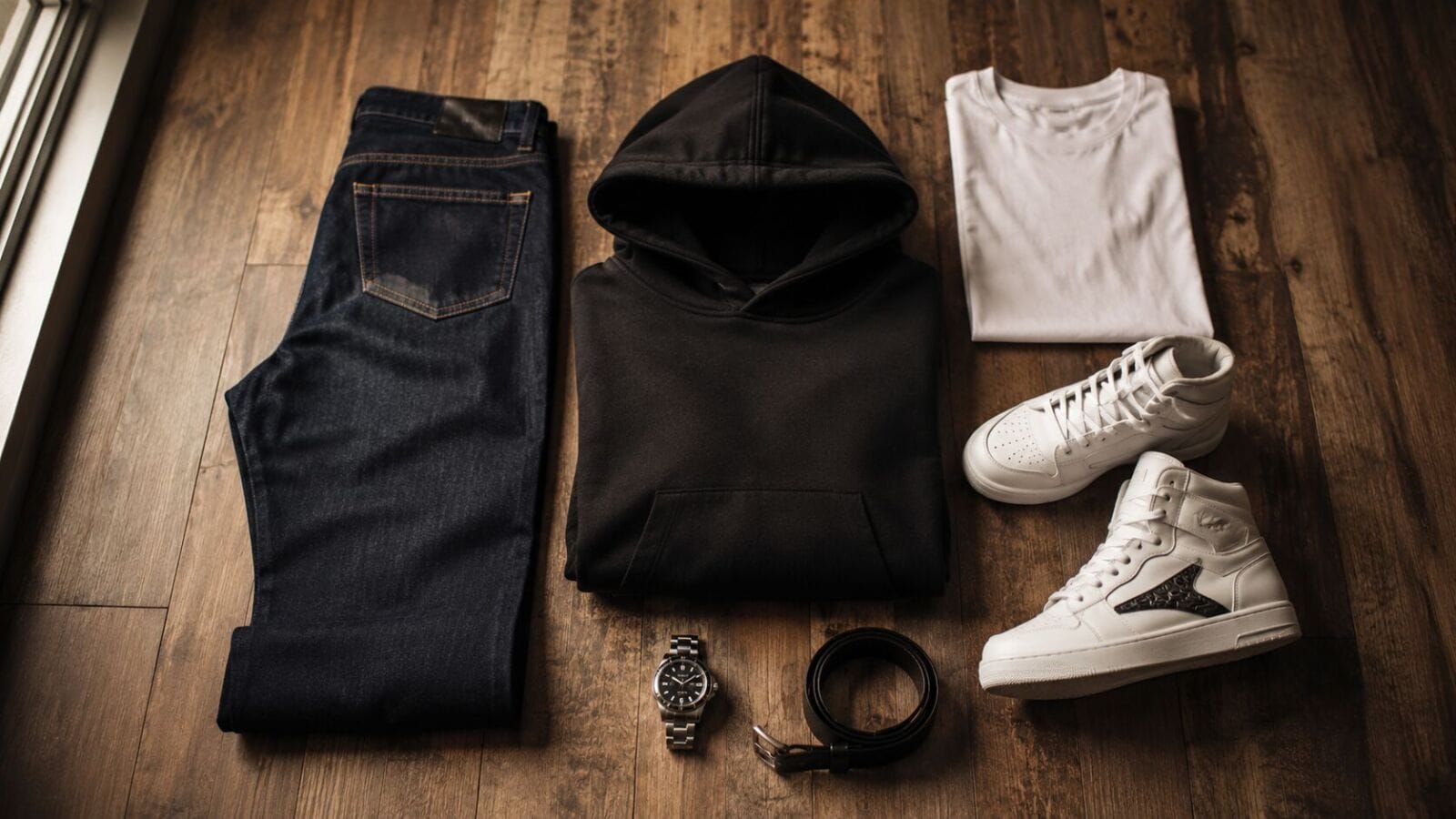
Before you shop for anything else, you need to lock down what I call the anchor pieces the items every other fit gets built around. Most people skip this step and start with graphic tees or loud drops, then wonder why nothing in their closet talks to each other. That’s a fixable mistake, but it costs real money along the way. Your anchors should be quiet, well-cut, and neutral enough to survive rotation without getting boring. Think one heavyweight black hoodie in a shape that flatters your shoulders, one pair of straight-leg jeans in a wash between dark indigo and mid-blue, one clean white tee that fits properly at the neckline, and one pair of premium sneakers you’d actually walk in all day. That’s the whole starter kit. Everything else is decoration. Once those four sit right, adding a rhinestone tee or a monogram denim doesn’t feel risky because you know the base is already handling the heavy lifting. I’ve watched people spend six months chasing statement pieces before realizing their basics were fighting against every fit they tried to build. My hands-on tip from years of fitting rooms: the hoodie test is the fastest way to spot quality. Grab the fabric between your fingers and pinch it hard. If it bounces back with weight, you’ve got real cotton construction. If it feels papery or crinkles, put it back on the rack no matter what the brand tag says. The same test works for tees, sweatpants, and any knit piece. Fabric weight tells you more about how a piece will age than any marketing copy ever will, and cheap streetwear almost always fails this test within the first three washes at home.
Building the Base: Eight Pieces That Do the Heavy Lifting
Here’s the exact starter list I hand to anyone asking me where to begin. Follow this before you touch anything trendy, and you’ll save yourself hundreds in mistakes. The order matters too build in this sequence because each piece unlocks the next.
- One heavyweight black hoodie in a size that fits your shoulders correctly, not two sizes up for the “oversized” look.
- One pair of straight-leg dark denim jeans with a hem that hits just above the shoe.
- Two clean tees one white, one black in premium cotton that holds shape after washing.
- One pair of premium sneakers you’d wear on a full walking day without pain.
- One pair of relaxed sweatpants in a color that matches your hoodie for tonal fits.
- One graphic or rhinestone tee as your first statement piece, worn under jackets or solo.
- One pair of shorts for warmer weather, ideally in a neutral tone or subtle print.
- One outerwear layer a bomber, a shacket, or a heavier hoodie for cold weather.
Now here’s the honest limitation: this list assumes you live in a climate with real seasons. If you’re somewhere hot year-round like coastal Mexico or Southern California in summer, swap the outerwear slot for a second pair of shorts or a lightweight zip-up. Also, some of you will hate the “no color” starter approach because you love bold pieces from day one. That’s fine. Just know you’ll spend more time troubleshooting fits before things click, and that’s a real trade-off you should go in expecting. Even so, once you own these eight pieces in decent quality, you can mix them into somewhere around fifteen distinct looks without repeating a full outfit twice in the same week. That’s the entire point of building this way.
Sneakers Are the Whole Vibe Don’t Get This Wrong
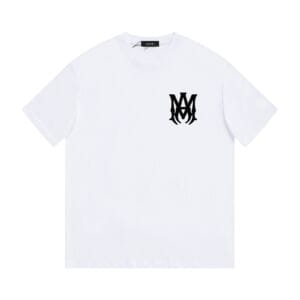
Sneakers do more heavy lifting in a streetwear fit than any single garment above the waist, and that’s a fact most beginners underrate for far too long. Your shoes set the tone before anyone reads your hoodie graphic or notices your jeans. Ever seen someone in a great outfit with tired sneakers? The whole thing collapses instantly. That’s why the sneaker slot in your rotation deserves more thought than most other categories combined. Premium sneakers from lines like AMIRI hit that specific space where the design has real personality without screaming for attention, and the leather and suede construction hold shape long after cheaper sneakers have already collapsed at the toe box. The MA-1 and Skel-Top silhouettes especially work across a huge range of outfits because they sit between formal and casual chunky enough to anchor a relaxed fit, but clean enough to pair with darker denim for dinner. My preference has always been leaning into one bold pair over a rotation of five average ones, because when you wear the same great sneakers regularly, people start to recognize them as part of your look. That’s stronger personal branding than any shirt could ever pull off. Here’s a hands-on detail I learned the expensive way: check the sole flex before you commit to a pair. Grab the shoe by the toe and heel and gently bend the sole upward. A well-made sneaker resists slightly and returns to shape, while a cheap knock-off folds too easily and stays creased. That single test has saved me from bad purchases more times than I can count, and it works whether you’re shopping in a store or examining a pair you already own to see how they’ll age.
Layering Without Looking Like You Tried Too Hard
Layering separates the people who look effortlessly put together from the ones who look like they raided three different closets on the way out. Get it right, and your fit gains dimension. Get it wrong, and everything reads as cluttered or costume-y. The trick is keeping your weights and lengths in a working ratio, not just stacking pieces because it’s cold outside. Here’s the checklist I use for building layered fits that actually land:
- Match your weights on the top layer. A heavyweight hoodie underneath a heavyweight bomber creates bulk you don’t want; pair a lighter tee under a heavy jacket instead.
- Watch your hemlines carefully. Your inner layer should peek out by roughly an inch below your outer piece not five inches, not zero. That small reveal is what makes layering read as intentional.
- Stick to two textures max per fit. Denim plus cotton plus leather already gives you three, and that’s your ceiling before things start looking chaotic.
- Contrast your colors, but keep tones related. A cream tee under a chocolate hoodie works because the tones live in the same family, while a red tee under an army green hoodie just fights itself for attention.
- Let the sneaker close the look. Your shoe should either match your outer layer’s tone or pull one color from your inner piece.
Beyond that list, remember that layering also has to make sense for your body type. Broad shoulders need slimmer inner pieces to avoid the football-pad effect, while narrower frames can afford a bit more volume up top. That’s not a hard rule, just something to test in the mirror before you commit to a fit for the day. Streetwear layering isn’t about hiding under fabric it’s about adding one considered piece that changes the whole read of the outfit without adding visual noise.
Denim, Jeans, and Why the Cut Matters More Than the Wash
Everyone obsesses over denim washes, but the cut is what actually decides whether a pair works on you. A perfect wash on the wrong cut still looks off, while a boring wash on the right cut can carry a whole outfit. The straight-leg silhouette remains the most flexible for streetwear
because it doesn’t fight either your sneaker choice or your hoodie proportions. Baggy cuts are having a moment right now, but here’s my honest take most people wearing them look shorter than they actually are, and the extra fabric pooling at the ankle rarely photographs well or moves cleanly. Slim cuts have swung out of style hard, though they still work if that’s genuinely your body type and comfort zone. Between those two extremes, straight-leg gives you the most mileage across seasons and occasions. Rhinestone-detail denim and monogram washes from labels like Mixed Emotion have become one of the strongest current directions in premium streetwear denim, because they add personality without abandoning a wearable cut, and the four-wash approach across black, blue, grey, and light blue means you can match one pair to almost anything else you already own. Here’s a fitting-room detail worth remembering: try on jeans with the exact shoes you plan to wear them with. Denim reads completely differently over a chunky sneaker versus a low-profile one, and the hem length that looks great with one silhouette often looks strange with the other. That’s why buying denim without your regular shoes on hand is a small mistake that costs real money later when you realize the break isn’t sitting right. Take five minutes to test the pairing at purchase, and you’ll skip a whole category of buyer’s regret entirely.
Small Details That Change the Whole Fit
The gap between a decent fit and a great one usually lives in details most people never even look at. Your belt matters more than you think, and yes, a rhinestone-heavy tee still needs a belt if you’re tucking anything or if your jeans sit even slightly low on your waist. Watch straps are another quiet detail a beat-up rubber strap on a nice fit reads as sloppy, while a clean leather or metal band pulls everything up a level. Sock choice also decides more than people admit, especially with premium sneakers where the ankle exposure or coverage changes how the shoe reads on your foot. Even the way you cuff your sleeves on a hoodie shifts the whole silhouette, because pushing them up above the elbow versus letting them fall at the wrist gives you two completely different outfit reads from the exact same piece. Then there’s the wrinkle question. I know the streetwear world loves the lived-in look, but there’s a real difference between intentional creasing and sloppy wrinkles, and most photos on Instagram hide that difference behind lighting tricks. A quick steam or five minutes with an iron before you leave the house takes zero money and immediately improves how any piece falls on your body. My personal preference has always been slightly under-styled rather than over-styled, because when you add too many small details at once, the eye doesn’t know where to land and the whole fit starts to feel busy. Pick two details to nail per outfit and let the rest sit quiet that’s usually the difference between looking styled and looking staged. This restraint is what separates people who understand streetwear from those still learning the codes by trial and error.
Where People Waste Half Their Streetwear Budget
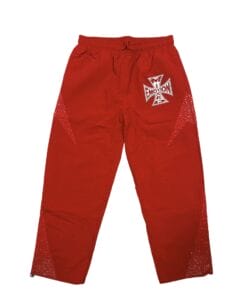
Nobody talks about this openly, but a lot of streetwear budgets get burned on pieces that end up worn twice and then buried in the closet forever. The two biggest budget killers I see repeat across almost every buyer’s early collection are trend-chasing and size-experimenting. Trend-chasing is obvious you saw a specific piece all over your feed for two weeks, dropped serious money on it, and by the time it arrived the whole cycle had already moved on. The fix here is simple but hard to follow: wait 30 days on any piece you feel pressured to buy immediately, and check if you still want it after that window. Roughly seven out of ten times, you won’t. Size-experimenting is sneakier because it happens across your whole wardrobe over months. You bought an oversized hoodie, then a slightly slimmer one, then something in between, and now half your closet fits wrong because you never locked down what actually works on your frame. Instead of testing sizes across brands, spend one afternoon with one brand you trust and figure out exactly which cut fits you best. Then apply that knowledge across every future purchase. Another quiet budget drain is over-buying in one category. If you already own three black hoodies, that fourth one isn’t building your wardrobe it’s just filling a shelf. Set category limits for yourself before you shop, and you’ll notice how much easier it becomes to say no to pieces that don’t move the collection forward. Streetwear is genuinely fun when it works, but the fun disappears fast when your closet is full of pieces you regret buying and can’t return. Building slowly with intention beats stacking drops in every single way that matters long-term.
Final Words
Your streetwear wardrobe should feel like a set of tools, not a museum. If you can’t put together three fits in five minutes on a Tuesday morning without thinking too hard, something in your closet setup needs work. Start with the eight anchor pieces, lock in the sneakers that carry the whole thing, and then let taste and personality guide what you add on top of that base. Take your time, skip the pressure to buy every drop, and remember that the people whose fits you actually respect usually own fewer pieces than you’d guess. That restraint is the whole secret.
Frequently Asked Questions
Q1: What’s the single most important piece to buy first when starting a streetwear wardrobe?
Start with a great pair of premium sneakers. They set the tone for every fit you build after, they get seen the most, and they’re the piece hardest to fake with cheaper alternatives. Everything else can flex around a solid shoe, but a bad shoe drags a whole outfit down no matter how good the rest is.
Q2: How many hoodies do I actually need?
Two is enough for most people one heavyweight neutral like black or cream, and one lighter or brighter option for warmer days or bolder fits. A third only makes sense once those two feel repetitive to you, which usually takes months of real wear before it happens.
Q3: Should I buy oversized or true-to-size for streetwear?
Depends on the piece and your frame. Hoodies and tees generally look best slightly oversized, jeans and shorts should hit true to size, and outerwear can go either way based on what you’re layering under it. Test both when possible before deciding.
Q4: Are rhinestone and monogram details still relevant in 2026?
Yes, but the placement matters more than the presence. Well-placed rhinestone accents on a solid piece read as premium detail, while heavy all-over stones can look dated fast. Same rule applies to monogram denim subtle repetition works, loud logos usually don’t age well.
Q5: How do I care for premium streetwear so it lasts?
Wash cold, turn everything inside out first, hang-dry hoodies and tees flat when possible, and never tumble-dry rhinestone pieces. For denim, wash roughly every ten wears rather than after every use. Store sneakers with shoe trees or paper stuffed inside to hold shape between wears, and rotate pairs so no single one takes daily impact.