
Managing stress has become more crucial than ever. The increasing pace of life often leads individuals to neglect their mental and physical health, causing a multitude of health issues. Stress isn’t just an emotional and psychological strain. It can manifest physically, contributing to serious conditions such as heart disease, obesity, and diabetes. Recognizing the importance of stress relief is important for improving the quality of life and for maintaining one’s health.
Understanding Stress and Its Effects
Stress is a normal physiological response to situations where we feel threatened or challenged. It triggers a fight-or-flight response, releasing hormones such as cortisol and adrenaline. While this response can be beneficial in short bursts, chronic stress can lead to detrimental effects on the body and mind. Studies indicate that chronic stress can cause profound changes in brain structure and function, often leading to anxiety and depression.
Prolonged stress has been linked to weakened immune response, making individuals more susceptible to illness. According to the American Psychological Association, nearly seventy percent of adults report experiencing physical symptoms of stress, such as headaches or fatigue, showcasing its widespread impact.
The Importance of Stress Relief
Finding ways to manage and relieve stress is imperative for both mental and physical health. Effective stress relief techniques help individuals cope and prevent the long-term consequences of stress.
Engaging in stress relief activities can enhance mood, improve cognitive function, and lower the risk of chronic diseases. According to the Mental Health Foundation, exercise, mindfulness, and proper nutrition are among the most effective strategies for managing stress. These methods provide immediate relief and can cultivate resilience against future stressors.
LOCAL NEWS: 10 things you may not know are manufactured in Arizona
INDUSTRY INSIGHTS: Want more news like this? Get our free newsletter here
Popular Stress Relief Techniques
There are a variety of stress relief methods available, and individuals may respond differently to each one. Physical activities, such as walking, swimming, or engaging in yoga, can release endorphins, which are known to promote happiness. Practicing mindfulness and meditation can significantly reduce feelings of anxiety and stress.
Adopting a hobby or engaging in creative pursuits can offer a much-needed distraction, reducing the intensity of stress. Managing time effectively and setting realistic goals play a crucial role as well. Taking time for breaks and prioritizing tasks can alleviate overwhelming feelings.
The Role of Healthy Lifestyle Choices
Mental health does not exist in a vacuum. It is influenced by physical health. Thus, making healthy lifestyle choices can greatly enhance one’s ability to manage stress. A balanced diet rich in whole foods, fruits, and vegetables provides the body with the nutrients needed to combat stress.
Staying hydrated and practicing good sleep hygiene are vital components of a healthy lifestyle. Poor sleeping patterns can exacerbate stress levels and hinder cognitive function. Investing adequate time in rest is for stress management.
Exploring Natural Remedies
Natural remedies are gaining popularity as effective alternatives for stress relief. Herbal supplements, aromatherapy, and essential oils are often used to promote relaxation and tranquility. Herbal options like chamomile, valerian root, and passionflower have been noted for their calming effects.
Another increasingly popular natural remedy is hemp-derived products. Many people choose to shop hemp flower online as a means to alleviate anxiety and enhance mood. These products often offer a holistic approach to managing stress without the adverse effects associated with pharmaceuticals.
Corporate Culture and Mental Health
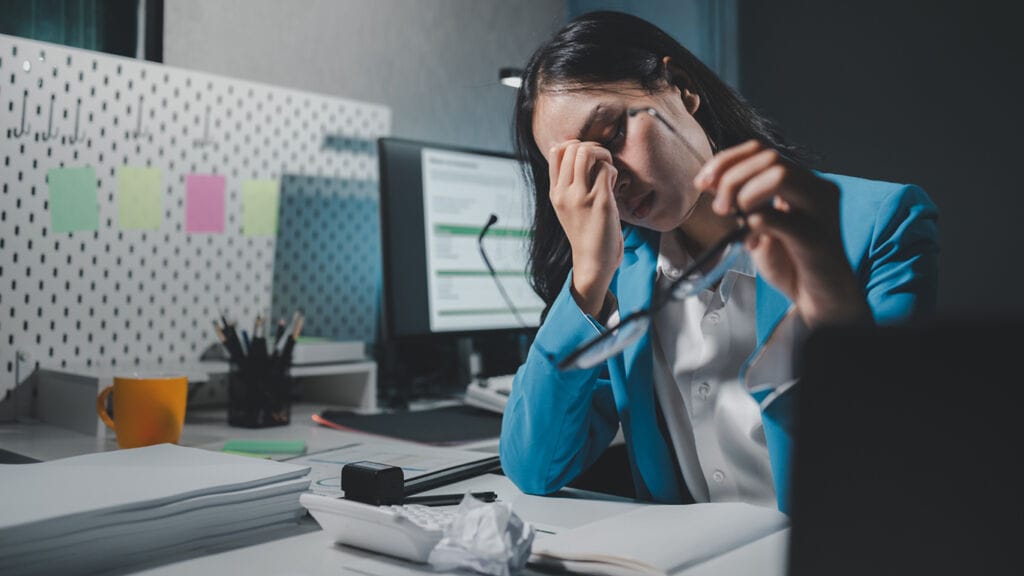
Stress is not limited to individuals. It permeates workplaces. Companies that fail to recognize employee stress often face high turnover rates and decreased productivity. For this reason, implementing mental health initiatives within the workplace can boost morale and create a culture of support. Companies can promote stress relief by encouraging breaks, offering flexible work hours, or organizing team-building exercises. By prioritizing mental health, organizations can create an environment conducive to both productivity and employee satisfaction, benefiting everyone involved.
When to Seek Professional Help
While there are many effective self-help techniques, sometimes stress can become overwhelming. Recognizing when to seek professional help is key. Signs that stress has become unmanageable may include persistent anxiety, difficulty sleeping, or withdrawing from social interactions. Mental health professionals can provide tools and therapeutic techniques tailored to individual needs, guiding individuals toward healthier coping strategies. Therapies such as cognitive-behavioral therapy (CBT) or mindfulness-based stress reduction (MBSR) have demonstrated efficacy in addressing chronic stress and its effects.
Achieving a balanced life amid stress requires a commitment to self-care and awareness. Incorporating proactive stress management techniques into daily routines fosters resilience to life’s challenges, reducing the likelihood of feeling overwhelmed. Establishing a support network with friends and family can provide reassurance and comfort during tough times. By prioritizing stress relief, individuals empower themselves to lead healthier and happier lives, creating a domino effect that extends to their communities and workplaces.