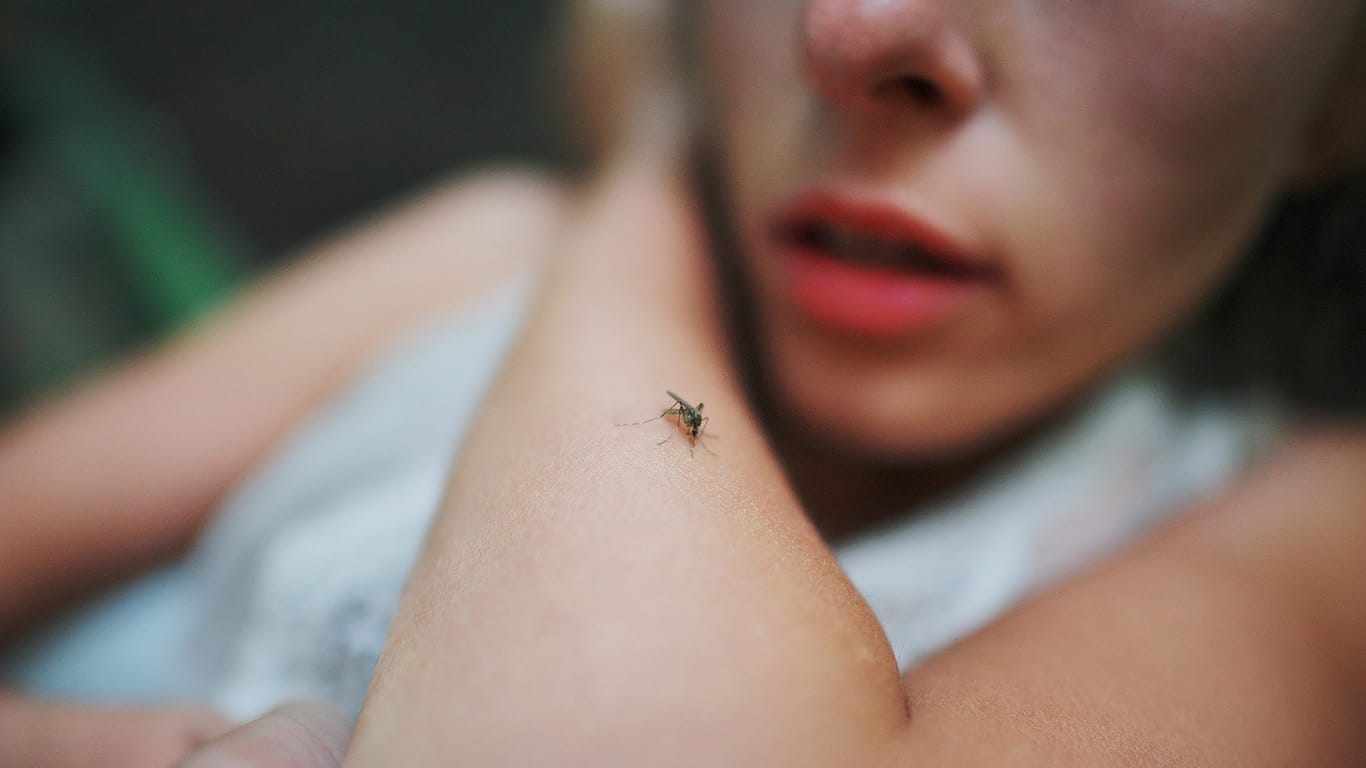
Arizona’s relationship with mosquitoes has always been a bit of a contradiction. Despite its arid climate, the state routinely experiences some of the most intense mosquito activity in the country. As the 2026 spring season begins, that activity is already ramping up across the Valley.
Public health officials and pest‑management experts warn that Arizona’s mosquito patterns don’t follow the traditional “summer-only” cycle seen in other states. Here, mosquitoes follow the water. Even a bottle cap’s worth is enough to trigger a surge.
LEARN MORE: Palo District at former Fiesta Mall site in Mesa gets 2 new hotels
FOOD NEWS: 25 places for great patio dining in Arizona
Peak Seasons: When Arizona Should Expect the Most Activity
Mosquito season in Arizona unfolds in distinct waves tied to temperature and moisture:
- Early Spring (March to May): Rising temperatures wake overwintering mosquitoes. Already activity is already increasing, with Maricopa County initiating fogging operations in several areas, including Gilbert.
- Monsoon Peak (July to September): The true “danger zone.” Heavy monsoon rains create standing water in hours, fueling explosive outbreaks of floodwater mosquitoes.
- Late Fall: Activity typically continues until nighttime temperatures consistently fall below 50°F, usually in November.

The Species to Know and the Risks They Carry
Arizona contends with three primary mosquito species, each posing different challenges for residents.
- Culex, often called the common house mosquito, is most active at night and thrives in stagnant or dirty water; it’s the species responsible for spreading West Nile Virus and St. Louis Encephalitis, making it the most significant public‑health concern in the state.
- Aedes aegypti, by contrast, is a daytime biter known for breeding in small containers such as flowerpots, buckets, and even discarded tires. While it’s capable of transmitting Zika, Dengue, and Chikungunya, most cases in Arizona remain travel‑related rather than locally acquired.
- Psorophora, the third group, emerges explosively after monsoon rains. These “floodwater mosquitoes” are notoriously aggressive biters but are far less likely to carry disease, creating more of a nuisance than a viral threat.
How Arizonans Can “Fight the Bite” This Season
Because Arizona’s dry climate forces mosquitoes to seek out even the smallest water sources, simple household habits can dramatically reduce risk:
- Tip and Toss: After rain or irrigation, walk your yard and empty plant saucers, pet bowls, buckets, and even folds in tarps. A single capful of water can produce dozens of mosquitoes.
- Maintain Pools and Water Features: Keep pool chemicals balanced. For non‑functional ponds or “green” pools, biological larvicides such as BTI (Mosquito Dunks) can eliminate larvae without harming pets.
- Inspect Screens and Doors: Arizona rooms and patio sliders are common entry points. Even a small tear can invite mosquitoes indoors.
- Use Airflow to Your Advantage: Mosquitoes are weak flyers. An outdoor oscillating fan on a patio can significantly reduce bites by disrupting their flight path.
2026 Outlook: A Busy Season Ahead
Just a few days into March, health departments have already issued high activity alerts for the Phoenix metro area. While most Dengue and Zika cases in Arizona remain linked to travel, local transmission of West Nile Virus is monitored year‑round — and early spring spikes often foreshadow a more active monsoon season.
With warming temperatures, increased irrigation, and early moisture patterns, experts expect mosquito pressure to rise steadily through the spring.
For residents looking to get ahead of the season, professional intervention can make a measurable difference, especially for properties with recurring water issues, dense vegetation, or outdoor living spaces.
CimeX Control Pest Management offers multiple solutions to help homeowners and businesses control their outdoor environments and reduce mosquito activity before peak season hits.
Author: Fernando Torres is the owner of CimeX Control Pest Management. For more information call (480) 364-7499 or visit cimexcontrol.com.