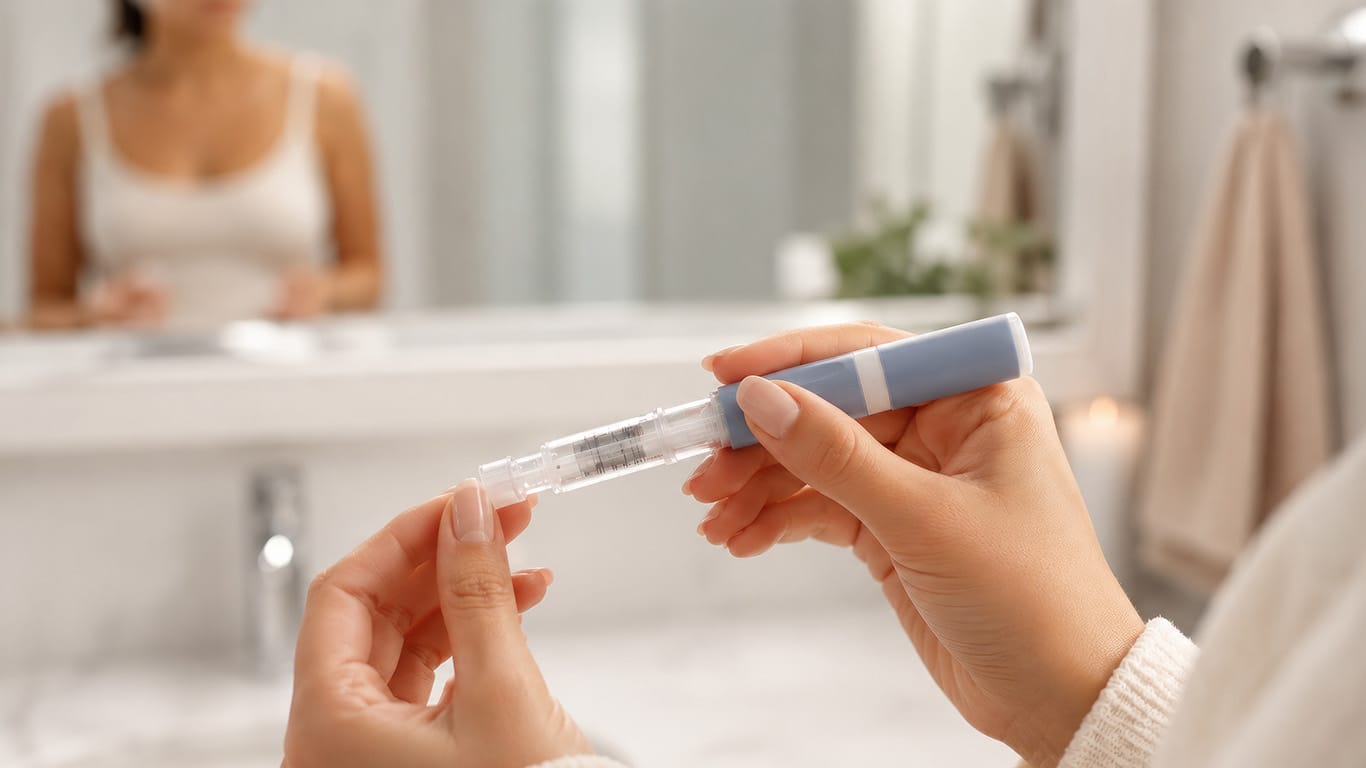
As temperatures climb and pool season kicks into gear, so does interest in GLP-1 medications like Ozempic, Wegovy and Zepbound.
As a registered dietitian, I’ve watched this surge happen every year around this time, and I get it — the pressure to have a “summer body” is real, and these medications can deliver fast, dramatic results.
But here’s what I want every patient to understand before starting: GLP-1s are a tool, not a cure, and building sustainable nutrition and lifestyle habits during treatment and after is essential. What happens after you stop taking them matters just as much as what happens while you’re on them.
Why this matters more in the summer
Each year around this time, I notice a familiar pattern. Some patients begin GLP-1 therapy in the spring with hopes of seeing quick results before summer vacation or beach season, often without a clear long-term plan.
Others have been on medication for several months, reach the number they were hoping for on the scale, and begin to ease off, believing the hardest part is behind them.
While these paths look different, I see the same opportunity: ensuring that nutrition and lifestyle habits grow alongside weight loss, so the results can be supported and sustained over time.
What I’ve seen in my practice
In my practice, I’ve often seen patients return to their baseline weight within two years of treatment. This isn’t a failure of willpower; it’s just biology.
GLP-1 medications work by suppressing appetite and slowing digestion. Once the medication leaves your system, those effects fade, which is why it’s crucial to create the habits and routines needed to maintain the weight loss. If they’re not established in the first place, the body tends to drift back toward where it started, leaving behind emotions of frustration and defeat.
What actually makes weight loss stick
Weight regain after stopping medication isn’t always inevitable. Patients who have the most long-term success — whether on medication or not—tend to focus on these key habits:
- Building meals around protein and fiber. GLP-1s reduce appetite, which often means eating less overall. They prioritize a high-protein, high-fiber diet to preserve muscle mass, which helps reduce body fat and prevent weight gain.
- Focusing on strength training, not just cardio. Preserving muscle is one of the most effective ways to maintain a higher metabolic rate, which supports long-term weight management.
- Treating the medication as a bridge, not a destination. I encourage patients to use the appetite control window as an opportunity to build healthier eating and movement patterns. These behaviors — not the medication — become the new foundation of long-term health.
- Working with a provider on a tapering plan. Coming off a GLP-1 doesn’t have to mean losing progress. A gradual, supported transition gives new habits time to take hold and become sustainable.
The bottom line
GLP-1 medications are genuinely effective tools, and for many patients, they’re appropriate and even life-changing. But going into summer focused only on the number on the scale, without a maintenance plan, can set people up for the very rebound they’re trying to avoid.
Whether someone is considering a GLP-1 or already taking one, I encourage them to shift the question they ask themselves. Instead of asking, “How much weight can I lose?” ask “What can I start doing now to make sure I keep it off?”
That’s where a registered dietitian plays a critical role. In my work at Denova Collaborative Health, I focus not just on weight loss, but whole-person health — helping patients build the habits that allow them to maintain their progress long after medication is gone.
Author: Alysia Jimenez is a registered dietitian at Denova Collaborative Health, where she provides nutrition counseling for weight management, GLP-1 support and diabetes care across Arizona.