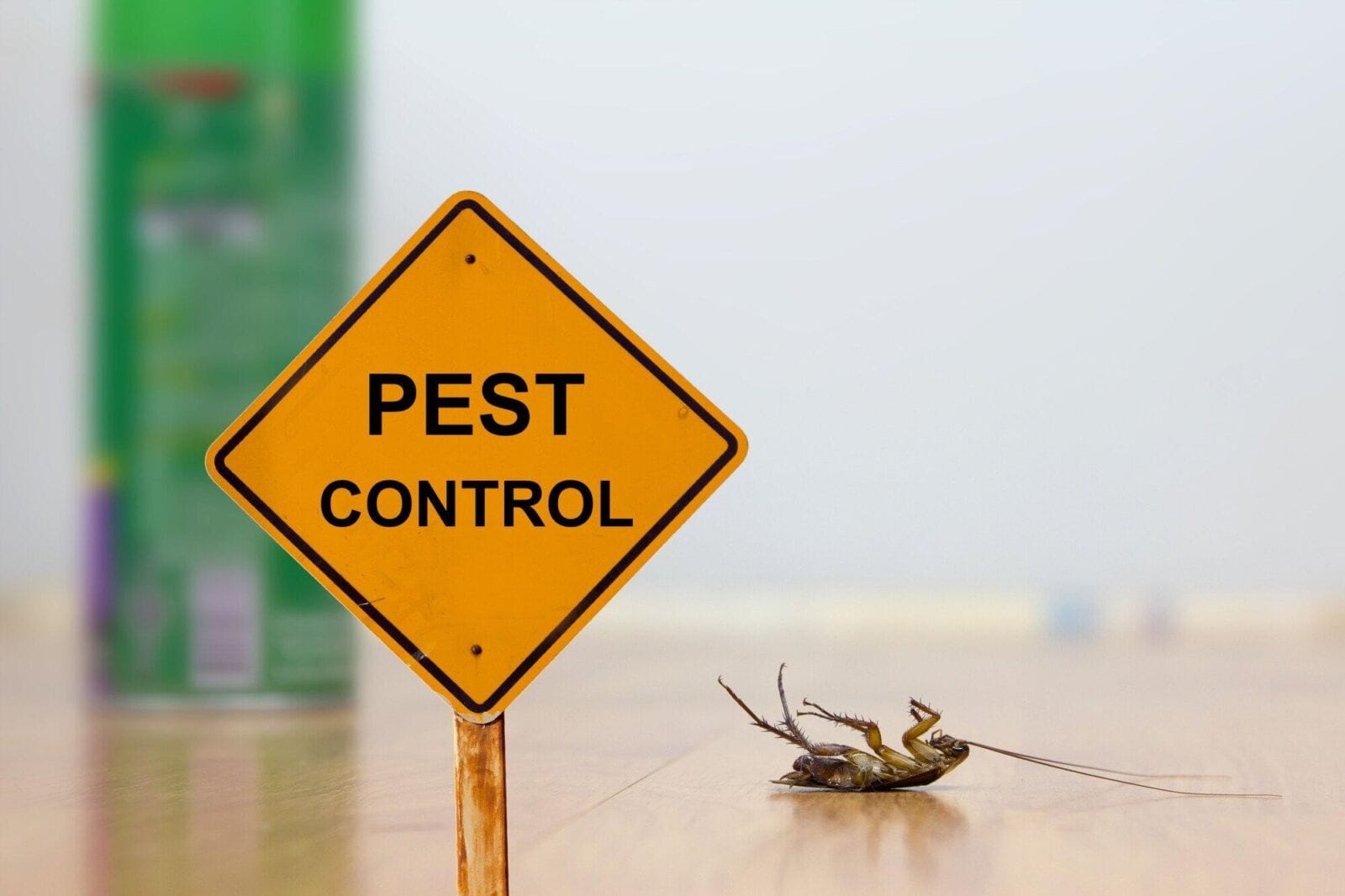
Signing up for a residential pest control plan feels straightforward at first. A technician comes, treats the property, and the problem goes away. What homeowners discover over the following twelve months, though, is that pest management is more layered than a single visit suggests. The expectations homeowners start with rarely match what they actually experience, and the gap between those two things is where most of the learning happens.
Companies like Mira Home, which operates across Ohio, Georgia, and Florida as a home care-focused pest management provider, report that the homeowners who get the most from a recurring plan are almost always those who understand how the service actually works before they expect results. Here are ten things homeowners consistently learn after their first year.
1. Prevention Costs Less Than Reaction
The economics of pest control shift considerably once homeowners move from reactive to preventive service. A single emergency treatment for an active rodent infestation typically costs two to four times more than the equivalent quarterly preventive visit. The pest control industry reports that homeowners who invest in recurring maintenance plans spend less annually than those who call only when they spot a problem — a pattern explored in detail by research comparing DIY versus professional pest control approaches. That math becomes clear around month three or four for most new subscribers.
2. Results Take Longer Than 24 Hours
Most homeowners expect pest control to work the way medication does: take one dose, feel better quickly. The biology of pest management doesn’t cooperate. Depending on the pest, full population control can take one to two weeks after treatment, and some colony-forming species like ants require multiple visits before activity noticeably drops. Providers who communicate this timeline from the start, including Mira Home as part of their standard customer guidance, tend to retain clients at higher rates than those who let homeowners discover it on their own.
3. Entry Points Matter More Than Product Strength
The strongest pesticide on the market cannot permanently seal a gap under a door or a crack in a foundation wall. After their first year, most homeowners report realizing that pest pressure they attributed to ineffective treatment was actually a structural issue. A cracked window seal, worn weather stripping, a gap where plumbing enters through the wall: these are the reasons pests return, not failures of the product. Good providers conduct an entry-point assessment and flag these during regular pest inspections. Homeowners who act on those recommendations see substantially better long-term results.
DEEPER DIVE: Read all the Ranking Arizona Top 10 lists here
INDUSTRY INSIGHTS: Want more news like this? Get our free newsletter here
4. Indoor and Outdoor Treatment Both Require Attention
Many homeowners assume pest control means treating the interior of their home. In practice, establishing a treated perimeter around the property’s exterior is often the more consequential step. Professionals typically treat the outer foundation, eaves, and yard before addressing interior rooms. Mira Home’s room-by-room approach covers both zones systematically, and homeowners who understand this dual focus tend to have more realistic expectations about how long it takes for interior pest activity to drop off.
5. Pest Activity Is Seasonal, and Timing Your Plan Matters
Mosquitoes surge in summer. Rodents push indoors when temperatures drop in late fall. Cockroaches thrive in heat and humidity. Homeowners in their first year often discover that a plan poorly timed to seasonal patterns leaves them with heavy activity during precisely the months they want their homes to be comfortable. Scheduling treatment cycles to anticipate seasonal pressure rather than react to it is a habit that takes one full year of experience to develop naturally.
6. Contracts Vary More Than Expected: Read Cancellation Terms
The pest control industry hasn’t historically made contract terms easy to understand. Cancellation policies, re-treatment conditions, and what qualifies for a free return visit are areas where homeowners frequently encounter surprises. Scorpion’s 2025 consumer survey of the pest control sector found that customer service and responsiveness topped the list of factors homeowners consider when selecting a provider, ahead of price and even treatment type. The providers who earn long-term loyalty are generally those who explain cancellation terms clearly before any paperwork is signed, not after a complaint arises.
7. Not All Pests Need the Same Response
A homeowner who spots a spider in the bathroom and a homeowner who discovers a termite swarm near a wooden beam are in entirely different situations, even though both may have purchased the same general pest control plan. Termites, in particular, require a separate assessment and treatment approach because they can cause structural damage that standard quarterly service is not designed to address — and their presence carries health risks that extend beyond property damage. First-year homeowners often assume their plan covers everything. It usually doesn’t. Learning which pests fall under which service tier is one of the more consequential things they figure out.
8. Documentation of Treatment Areas Is Worth Keeping
Service records are easy to ignore once the pest problem seems resolved. They become important in a few specific situations: when selling a home and buyers ask about pest history, when recurring activity appears in the same zone that was previously treated, and when switching providers and needing to show what approaches have already been tried. Mira Home documents each treatment by zone and provides homeowners with records of what was applied and where. First-year clients who file those records rather than discard them consistently find them useful later.
9. Satisfaction Guarantees Have Real Conditions
Most pest control providers offer some form of a satisfaction guarantee or free re-treatment between scheduled visits. The conditions vary. Some require that the homeowner report the issue within a specific window. Others only apply to listed pest species and not general infestations. Reading those conditions during the initial sign-up rather than when trying to use the guarantee is advice that almost every long-term pest control subscriber wishes they had followed in year one.
10. A Home Care Mindset Changes How You Maintain Your Space
The most consistent thing homeowners report after a full year with a professional pest control plan is a shift in how they think about home maintenance broadly. Pest pressure isn’t random. It follows patterns tied to landscaping choices, firewood storage, drainage, moisture levels, and how food is stored inside. Providers like Mira Home frame their service around the concept of home care rather than pest elimination, and homeowners who absorb that framing tend to make small ongoing changes: a cleared perimeter, sealed pantry storage, and repaired weather stripping, all of which reduce pest pressure between visits. The pest control service teaches the home as much as it treats it.
Choosing a Provider for Year Two and Beyond
The homeowners who get the most out of a recurring pest control plan are those who treat the first year as a calibration period rather than a test of whether the service works. Understanding seasonal timing, keeping records, reading contract terms carefully, and communicating actively with the technician assigned to the property: these habits compound over time.
The pest control market has grown steadily, with Americans spending around $6.5 billion annually on professional pest management services, according to PCT Magazine’s industry data on the structural pest control sector. That scale reflects a consumer base that has largely accepted professional pest control as a standard part of home maintenance. What’s still developing is the body of knowledge most homeowners bring to the relationship at the start.
Companies like Mira Home approach the gap between homeowner expectations and service reality as a communications problem worth solving upfront. Whether or not that approach succeeds long-term depends on whether technicians and not only marketing materials consistently deliver the same message at the door. For the homeowners who receive that consistent guidance, the first year of professional pest control tends to be the last year they have serious questions about how the service works.
Mira Home provides residential pest management services in Ohio, Georgia, and Florida. More information is available at mirapest.com.