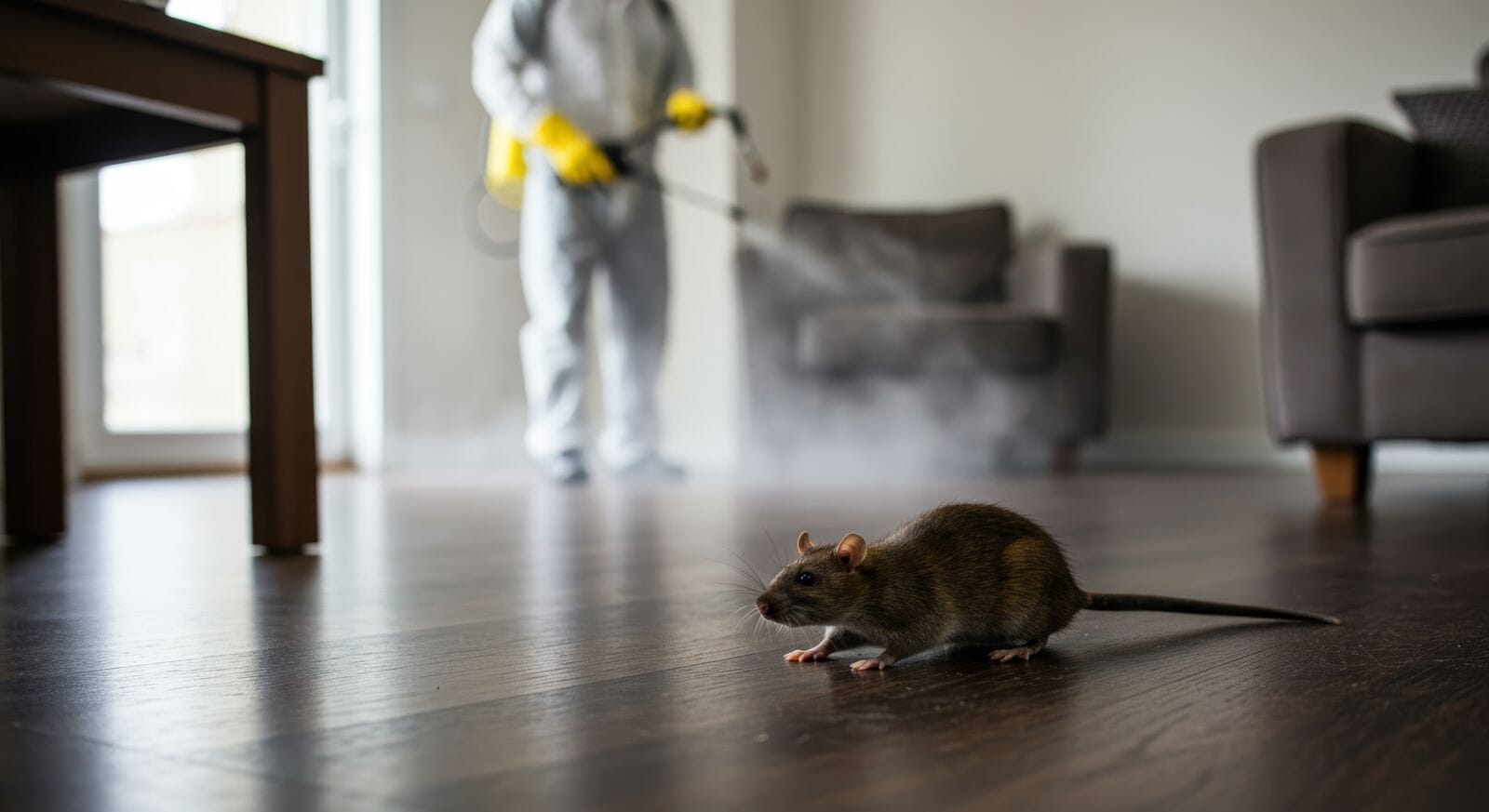
Rodents like mice and rats rarely show themselves. So, by the time you spot one in your house, the problem is bigger than you think. And here’s the thing: they are not friendly. Rodents chew through wiring and insulation, which could set you back by a couple of dollars within a short period. They also leave germs on your counters and in your pantry, which creates a safety hazard.
These little creatures also multiply fast. One pair you see today can turn into a full infestation in a few months. Every day you fail to take action lets them settle and cause more damage. That means bigger repair bills, more cleanup, and more risk to your family’s health.
A regular check around your home takes a few minutes and can save you a lot of money. The good news is that they leave clues long before they appear in the open. If you know what to look for, you can catch the problem while it is still small and easy to fix.
This guide covers the common early warning signs of rodent infestation.

Common Signs of Rodent Activity
Rodents often leave subtle clues before an infestation becomes obvious, so knowing the common signs can help you spot a problem early. However, if the issues are severe, contact the best rodent control near you.
That said, here are some common signs of rodent activity to watch for:
1. Droppings
Look for small, dark pellets in places that rodents commonly hide. That includes kitchen cabinets, along baseboards, behind appliances, and in the garage or basement. Fresh droppings look soft and shiny and show that the rodents are likely still around. The amount of droppings can also show you the level of infestation. Too many droppings mean you are dealing with many rodents, sometimes different ones.- FLOW
2. Gnaw Marks
Rodents like to chew on almost everything to wear them down. So, check for marks on food packaging, cardboard boxes, wood trim, and cables. Chewed wires are more than a nuisance; bare wiring can cause electric shocks and even start a fire.
3. Nests
Rodents build nests to raise their offspring. They use shredded paper, fabric, insulation, and dry leaves. Usually, they like warm, quiet, hidden spots, like attic corners, the space behind the fridge, storage boxes, and gaps inside walls. If you find a pile of torn material in a spot like that, look closer.
4. Noises

Scratching, scurrying, or squeaking sounds on the roof or behind walls mean there’s an uninvited visitor. Rodents are most active after dark, when the house is quiet, so you tend to hear these noises at night. If you hear them night after night, don’t brush it off.
5. Grease Marks and Tracks
Rodents run along the same routes every time, usually close to walls. Over time, oil and dirt from their fur leave dark, greasy smears along where they walk. You may also see small footprints or tail marks in dusty spots. If you are not sure, you can sprinkle a thin layer of flour or baby powder along it in the evening and check for tracks in the morning.
6. Strange Smells
Another sign of rodents in your home is a strange smell. Be cautious of a sharp odor in closed-off areas like the attic, pantry, or under the sink. If the smell is stronger, it means you have one dead rodent or a bigger group.
What to Do When You Spot the Signs
Rodents can squeeze through much smaller gaps than you would expect. A mouse fits through an opening the size of a dime, and a rat needs only about the size of a quarter. If you can slide a pencil through a gap, a mouse can probably get through it.
Check these common entry points, including gaps around pipes and utility lines, cracks in the foundation, worn door sweeps and weatherstripping, gaps around garage doors, and roof vents, eaves, and loose siding.
Here is how to spot and keep rodents away:
- Inspect regularly: Check for rodent presence in your basement, attic, garage, and around the kitchen every few weeks.
- Seal the gaps: Use steel wool, hardware cloth, caulk, and metal flashing that rodents can’t chew to keep them away.
- Cut off food and shelter: Dirt and leftover food around the kitchen attract rodents. Keep food in sealed containers, take out the trash early, and clear away clutter that gives rodents a place to hide.
- Fix moisture problems: Leaky pipes and damp spots give rodents a steady water source.
- Call a professional: Traps and store-bought bait often address rodents but rarely address the cause. A trained technician can apply the right treatment and find the source to prevent future problems.
Conclusion
Do you suspect rodents are getting into your home? Something may be happening beyond what you can see. Rodents are very sneaky, and you’ll hardly see them moving around, but you’ll gradually feel their presence. They chew wires, damage furniture, contaminate food, and even leave behind a terrible smell.
The thing with rodents is that they reproduce quickly. So, a small problem left unaddressed turns into a much bigger problem in a few weeks. And the more they spread, the more damage they can cause: health risks and fire hazards, which can cost more to fix.
This is why it’s important to spot the signs early. Now that you know what to watch out for, don’t delay if you see any of them. Call in a professional to identify the root cause of the problem and help keep your home rodent-free.