
Madison, New Jersey, is close enough to New York City to face the same seasonal pest threats as the rest of the metro area, but it also has unique risks because of its tree-lined streets and wooded areas.
Pests like termites nesting inside a home’s walls, bed bugs brought in through secondhand furniture, ticks contracted while walking through the woods, or ants and mosquitoes breeding in a wet spring can cause a significant amount of trouble without proper treatment.
Resolving any of these infestations takes more than a can of spray from the hardware store; it requires an accurate diagnosis, a treatment matched to the specific pest, and a plan to keep the problem from returning.
Understanding how a professional actually works through an infestation, from the first inspection to long-term prevention, helps homeowners know what a genuinely thorough service should look like.
1. Starts With an Accurate Inspection and Pest Identification
Every pest infestation begins with an inspection that accurately identifies the pest and the extent of the infestation, not just a quick look. An inspection involves checking the property inside and out for physical evidence such as fecal matter, skins, wood damage, or nests, as well as potential entry points into the building.
This is the step where an experienced exterminator in Madison, NJ earns their reputation, since correctly distinguishing between similar-looking pests, such as carpenter ants and termites, changes the entire treatment plan that follows. Skipping this step and jumping straight to a generic spray is one of the most common reasons a pest problem keeps coming back.
2. Match the Treatment to the Species
Once the pest has been identified, treatment has to be tailored to how that species actually behaves.
Subterranean termites, for example, are best addressed with bait stations placed around the perimeter of the property, where foraging termites carry the bait back to the colony and gradually eliminate it at the source rather than simply repelling activity near the surface.
This differs sharply from how a technician would handle carpenter ants nesting in damp wood, or wasps building a nest under an eave, each of which calls for a different product, placement strategy, and timing. Applying the correct method for the correct pest, instead of a single all-purpose treatment, is what actually resolves an infestation rather than just suppressing it temporarily, and it is usually the difference between a problem that stays gone and one that resurfaces within a season.
3. Address Bed Bugs with an Integrated Approach
Bed bugs are difficult to manage due to the fact that they are resistant to pesticides alone. The U.S. Environmental Protection Agency suggests that an integrated strategy for pest control should involve inspection, monitoring, de-cluttering, physical barrier creation (such as mattress encasements), and minimal pesticide application.
An experienced technician generally conducts an inspection of areas beyond the bed, such as other furniture pieces, baseboards, and electrical sockets, as they often find places of refuge in cracks and crevices around a room.
Multiple follow-up visits are usually necessary, since a single treatment often misses eggs or bugs that were not present during the first pass.
4. Manage Tick and Mosquito Pressure Outdoors
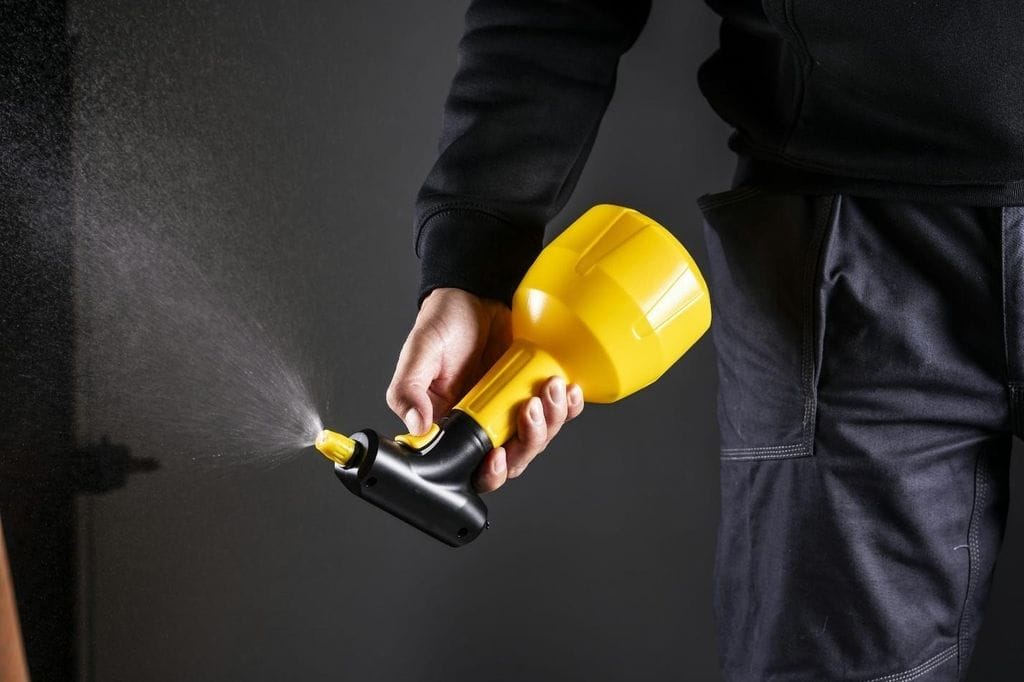
New Jersey’s wooded and suburban landscape makes it a hotspot for both ticks and mosquitoes, and Madison is no exception. Studies show that several tick species common in the state can transmit disease, and that reducing tick habitat around the yard is an important part of lowering that risk, alongside personal precautions like repellent and tick checks.
Outdoor treatments generally focus on transition zones between the lawn and woodlands or brush areas, as well as any sources of standing water that attract mosquitoes, rather than treating the entire yard with insecticides.
5. Seal Entry Points and Reduce Conducive Conditions
Addressing the current pests is only one step toward solving the problem; eliminating the favorable conditions that caused their presence is the other step that will prevent their return. Such steps would normally include sealing entry points around utility lines, fixing broken screens and weather-stripping doors, resolving moisture problems at the foundation level, and eliminating wood-to-soil contact points that attract termites and ants.
Surprisingly enough, there are many small and easily ignored points, such as cracks behind the dryer ventilation or mulch built up high against the walls of the house, that have been silently attracting pests for years.
A technician who points out these vulnerabilities as part of the service, rather than treating them as a separate upsell, is generally delivering a more complete resolution to the underlying problem.

6. Follow-Up Visits and Long-Term Prevention
Once the infestation has been cleared, it is confirmed only by follow-ups, not by one appointment alone. Reliable services always arrange for an additional visit in order to ensure that the treatment has been effective and make changes to bait traps or monitoring devices accordingly.
Seasonal preventative measures, especially those for termites and mosquitoes, are useful for catching any further signs of infestations before they start.
Final Thoughts
Fixing a pest problem in Madison requires a series of carefully thought-out procedures, including a precise inspection, a treatment according to the type of species, proper care for particularly stubborn pests such as bed bugs, outdoor pressure from ticks and mosquitoes, exclusion work where openings are sealed, and follow-through to ensure the pest problem is indeed fixed.
By knowing about these procedures, a homeowner can be better prepared to see if the company has really come up with a long-lasting or only a temporary solution. This is what finally solves a difficult pest problem and makes the house safer in the end.