My last rental had no closet at all. Not a shallow reach-in, not a rail behind a door. Just a blank wall, nine feet of it. The first night my jacket went on the doorknob. By the end of the week my clean clothes ended up on the chair, and the chair was full.
I gave up on perfect early. One rule instead. Everything found a spot by Sunday. At six in the morning I grabbed a work shirt half asleep. No mess. No hunting.
Start With What You Actually Own
Before I bought anything, I emptied everything onto the bed. Three piles. Shirts I wore every week. Clothes for other seasons. Bedding and bags in the third. I counted 14 shirts I actually wore. They were buried under the other two piles.
Count Before You Buy
A quick count saved me from the most common mistake. Buying a big piece of furniture and still running out of room. I counted hanging items separately from folded items. My hanging clothes took vertical height and a rail. Folded clothes took drawer space. Shoes, bags, and bedding got their own spots.
Hanging clothes turned out to be my largest group. That told me where to start. Not with a dresser. With the rail. Comparing bedroom wardrobes and armoires helped me judge how much rail and shelf space I actually needed before I committed to a piece.
Sort by Season and Use
I stopped buying furniture. Started rotating instead. Out-of-season clothes went into labeled bins. High shelf. Under the bed. Current season stayed where I could reach it. Work clothes got one drawer. Workout clothes another. Sleepwear a section of the shelf. My winter coat and heavy boots took the most room. They went highest. Furthest back. I carried them down twice a year.
Furniture That Replaces a Closet
With no closet, my furniture became the closet. I needed three things. Hanging space. Folded storage. A surface for daily things. No screws in the walls. My landlord would not allow it. I started with my largest need, hanging clothes.
Wardrobes and Armoires
I bought a freestanding wardrobe first. Rail on one side. Shelves on the other. A rail alone left my folded clothes nowhere. The first one I tried was too shallow. My shirts bunched at the door. I checked the depth in the shop. Twenty inches. My shirts cleared the door. A deeper one would have eaten the walkway.
I pushed my wardrobe against the longest wall. Left room for the doors to swing open. My door swung inward. I measured its arc first. Thirty-two inches. Marked it with tape on the floor. Freestanding helped in a rental. No holes in the walls. It came with me when I moved.
Dressers and Nightstands That Work Together
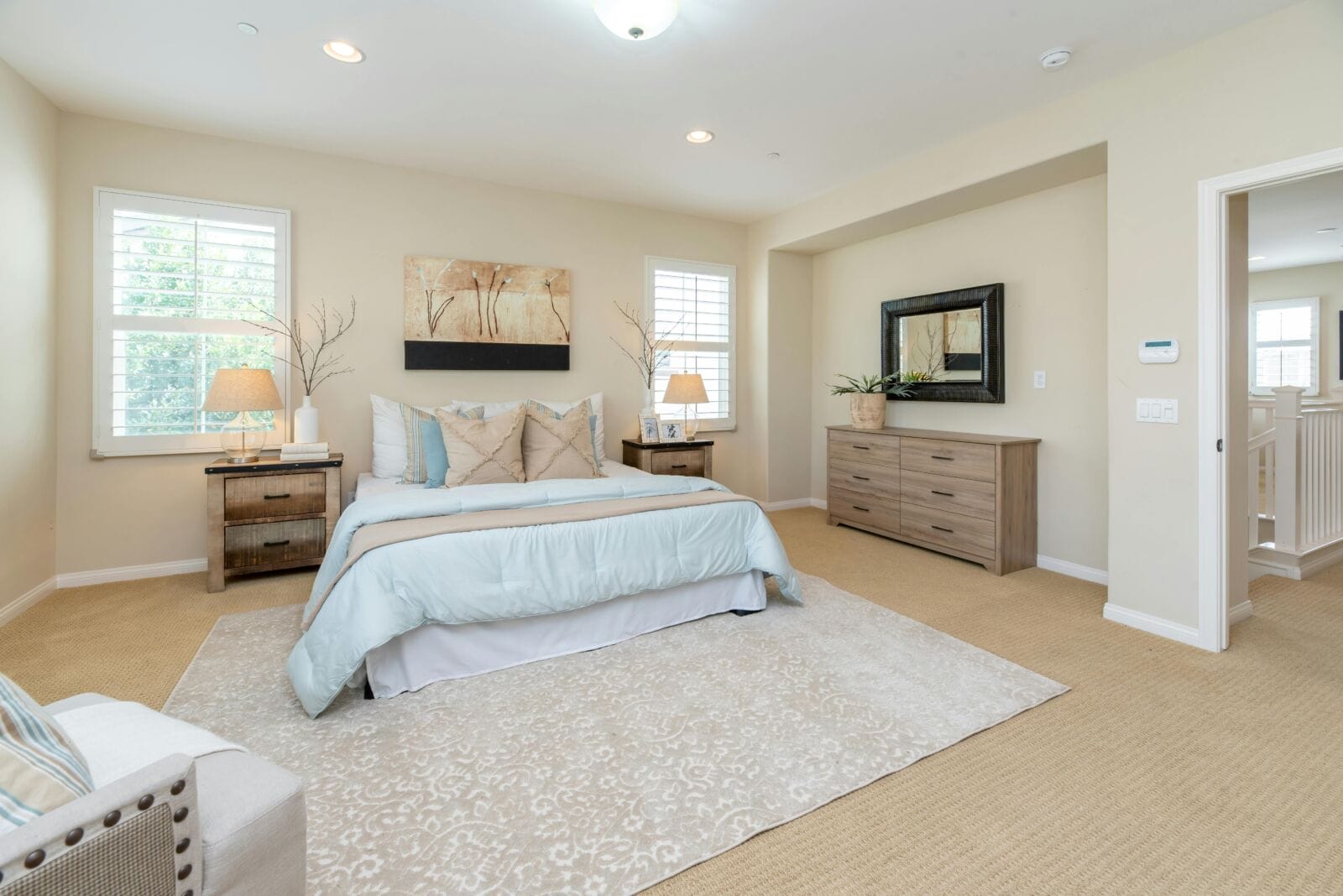
My dresser sat by the bed. Folded clothes went in it. The nightstand drawer held my charger and loose change. Same height. Same finish. They looked like one wall. I stopped piling things on the dresser top after that. The top stayed clear. Lamp. Keys. Nothing else. My phone charges there every night. The drawer still sticks a little.
Needing several pieces at once, I found a coordinated group simpler than shopping piece by piece. A Savanna dresser, wardrobe and nightstand set combines the three storage types my closet-free bedroom needed most: hanging space, drawer space, and a bedside spot for the small things I reach for every night.
Whatever I chose, I left at least two feet of clearance beside the bed. Drawers needed room to open. I needed room to walk past without turning sideways. I skipped it once. The room felt blocked.
Measuring for a Tight Room
I measured the wall, the ceiling height, and the path from the door to the bed before ordering. Then I checked those numbers against the product dimensions. Door swing. Drawer depth. When I was unsure, I taped the footprint on the floor with painter’s tape first.
Make Small Rooms Feel Bigger
My room felt smaller the week every surface filled up. One basket. One stack. No place for my cup. I cleared the dresser top that night. Left the lamp. Left my keys. Everything else went on the wall hooks or under the bed.
Use Vertical Space
I ran out of floor space. So I measured the wall instead. I stuck two hooks behind the door. My bag went on one. Tomorrow’s shirt on the other. I counted four baskets on the tall corner shelf. Its top shelf sat seven feet high. I climbed up there twice a year. Holiday stuff. Spare blankets.
Keep Daily Items Within Reach
My mornings changed after I moved daily stuff to the easy spots. I put work shirts in the top drawer. Shoes I wore went by the door. Keys and chargers went in a tray. I stopped hunting for keys. Timed once. Eleven seconds. The chair stayed empty that week.
Renter-Friendly Habits That Last
The furniture alone did not hold it past two weeks. Clothes were back on the chair. I could not add built-ins. The landlord said no to anything screwed into the wall. So I changed my nine o’clock routine.
Choose Pieces You Can Move
I dragged my nightstand twelve feet across the room. Twice in one month. Small job. Ten minutes. I rolled two wheeled bins out from under the bed, swapped the season, rolled them back.
A Simple Weekly Reset
Sunday night, ten minutes. I put everything back. I refolded one drawer. The top drawer again. It overflows first. I pulled two shirts out and put them in the bin under the bed. No new drawer. No new basket.
Putting It All Together
I still have no closet. The rail holds my shirts. The bins under the bed hold winter. The chair stays empty most weeks. I took the wardrobe apart once. Twenty minutes. It went back up the same night.