A carrier’s first equipment lease application can often follow a familiar pattern: the owner fills out the form, sends it in and then spends the days ahead gathering the necessary documents. A certificate of insurance. Proof of operating authority. Bank statements from three months back.
Equipment lessors and lenders across the industry ask for much of the same documentation. Carriers that organize these materials before applying can move through the process faster and with fewer surprises.
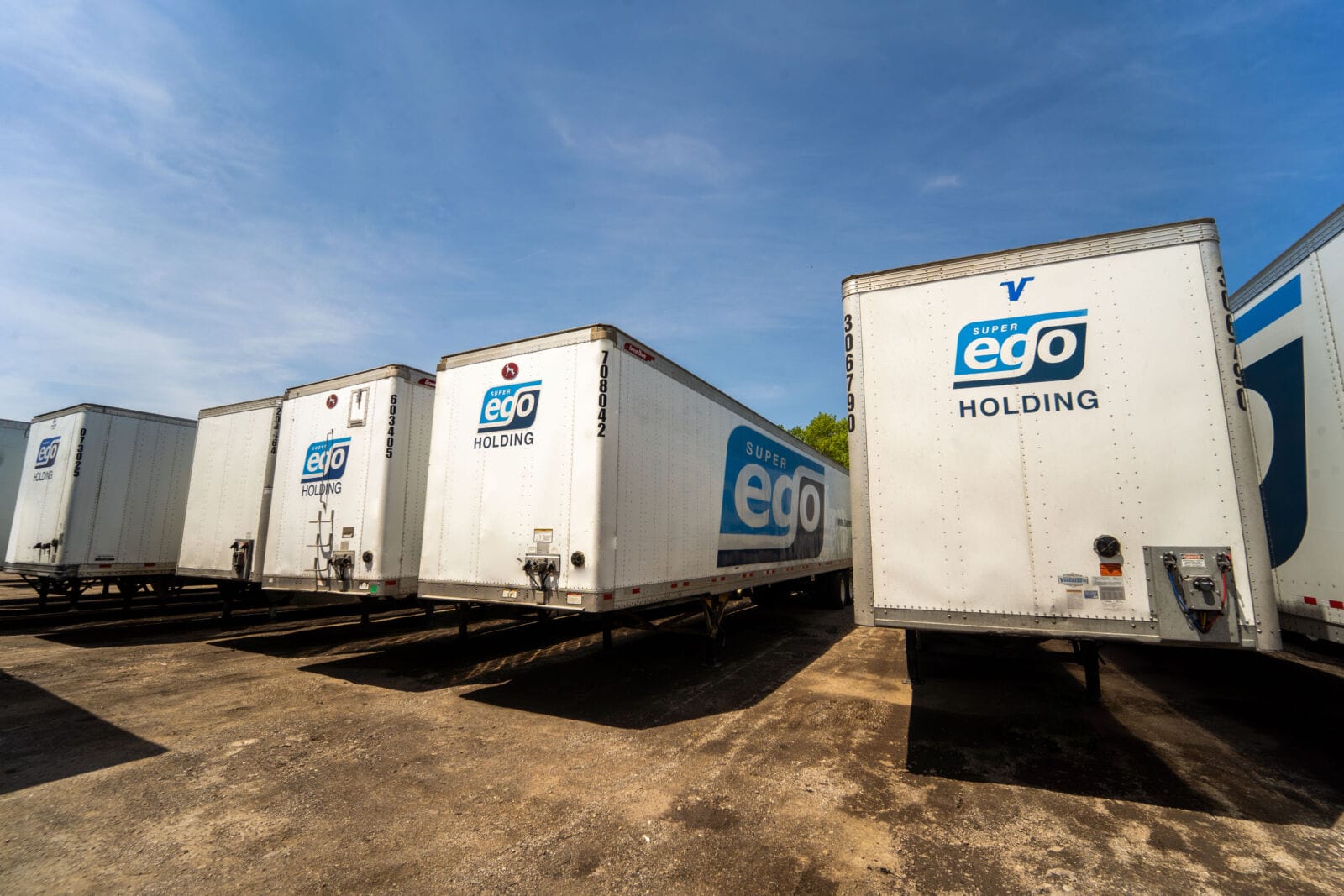
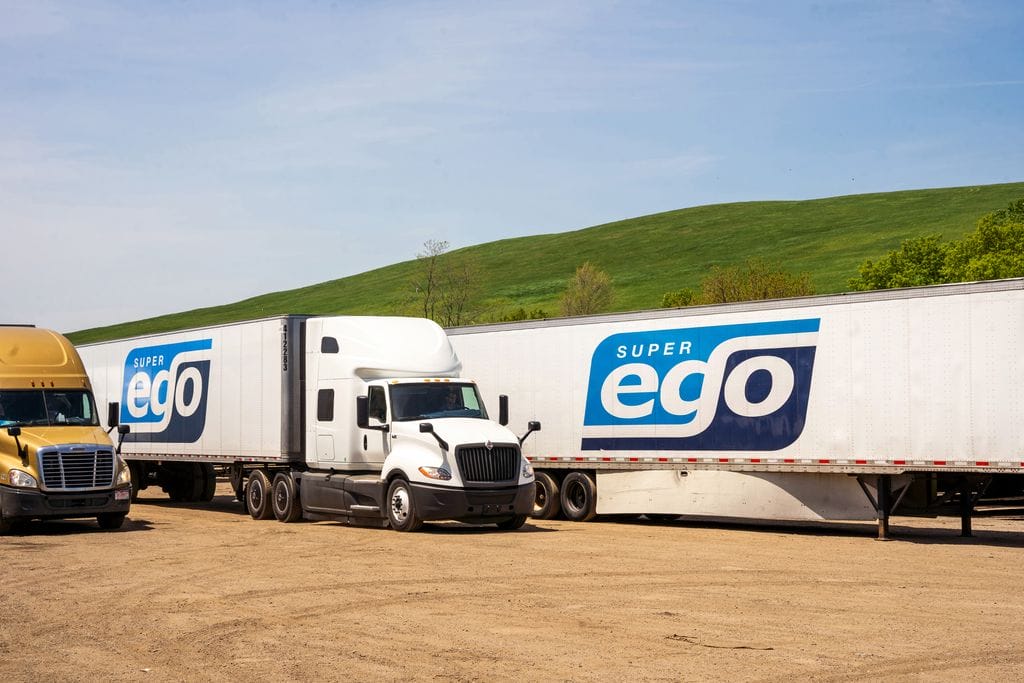
Super Ego Holding (Super Ego), an equipment leasing company based in Elmhurst, Illinois, sets clear standards for carriers seeking to lease or rent equipment.
Carriers with active operating authority may apply for its leasing program and all applicants are subject to Super Ego’s standard review process and safety and eligibility policies.
Beginning November 1, 2026, Super Ego began applyin updated safety and eligibility requirements to all new lease and rental agreements, any renewals of existing agreements, and all applications from existing customers for additional equipment. These enhancements build on the company’s existing standards for carriers and drivers, furthering its commitment to safety.
Below is an overview of information carriers may need when applying to lease or rent equipment, along with Super Ego’s specific safety and eligibility requirements.
Requirements vary by lessor and transaction, so applicants should confirm the materials required for their specific application directly with Super Ego.
Active Operating Authority
Operating authority is the federal permission that allows a for-hire carrier to haul regulated freight across state lines. Applicants should be prepared to verify that their authority is active and that related filings are current.
- USDOT number. The Federal Motor Carrier Safety Administration assigns USDOT numbers to commercial motor carriers. The number identifies the carrier and is used to track safety records, inspections, and compliance reviews.
- MC number or equivalent authority. For-hire interstate carriers have historically received operating authority in the form of an MC number from the FMCSA. Carriers should confirm that their authority is active before applying using the FMCSA’s public lookup tools.
- Process agent filing. Carriers with interstate authority must designate process agents in the states where they operate, usually through a BOC-3 filing. A missing filing can keep authority from becoming active.
Insurance
Federal rules establish minimum levels of liability coverage for interstate carriers. The amount depends on the type of freight, and the insurer files proof of that coverage with the FMCSA.
Many carriers also maintain cargo coverage and physical-damage coverage on their equipment.
Lessors typically require confirmation that leased equipment will be insured when it enters service. Keeping a current certificate of insurance available, and working with an agent who can add units quickly, can help keep the application process moving.
Unified Carrier Registration
Carriers operating in interstate commerce generally must register annually through the Unified Carrier Registration program and pay a fee based on fleet size.
Registration for the coming year typically opens in the fall. A carrier applying for equipment late in the year should make sure its current registration is in order and understand any upcoming renewal requirements.
Business Records
In addition to active operating authority, carriers may be asked to provide business and financial records as part of the application process. Commonly requested materials may include:
- Business formation documents, such as articles of organization or incorporation
- The company’s federal Employer Identification Number
- Recent business bank statements
- Tax returns or financial statements, where available
- A record of current equipment and any existing loans or leases
- Information about the carrier’s customers, lanes, or contracts
Newer carriers may have a shorter operating history. That does not necessarily rule out an application, but it does make complete and organized records especially important.
Safety Rating and Driver Eligibility
As of November 1, 2026, the following safety and eligibility requirements apply to all Super Ego lease and rental applications:
- FMCSA safety rating. New customers and existing customers applying for new leases or rentals must provide their current FMCSA safety rating as part of the application process. Carriers or operating entities with a Conditional safety rating will not be approved for new agreements, renewals or additional equipment until their safety rating improves. Equipment also may not be operated under, or assigned to, a carrier or operating entity with a Conditional safety rating during the term of an agreement.
- Commercial Driver’s License (CDL) eligibility. Owner-operators with non-domiciled Commercial Driver’s Licenses (CDLs) will not be approved to rent or lease equipment. New applications from carriers whose owners have non-domiciled CDLs, or a non-domiciled identification document, will not be approved. All applicants will be required to provide current driving records and other documentation necessary to verify identity, CDL status, operating authority, and regulatory eligibility.
- English Language Proficiency. As part of the application process, all owner-operators will need to submit driving records, which Super Ego will review for English Language Proficiency (ELP) violations or deficiencies. Owner-operators whose records indicate an ELP violation will not be approved until the issue has been resolved with the relevant regulatory authorities and all required ELP eligibility requirements are met.
These standards apply throughout the term of a lease or rental agreement. Customers must provide accurate and current information about the carrier or operating entity under which the equipment will be operated and report any changes to Super Ego for approval in advance.
Failure to meet the standards may result in immediate termination of the applicable agreement.
“Safety is a shared responsibility across the trucking industry,” said Super Ego Holding CEO Aleksandar Mimic. Super Ego is not a carrier and does not employ or dispatch drivers. As an equipment lessor, however, the company believes it has a meaningful role to play in setting clear safety standards around who operates the trucks and trailers its customers put on the road.
How Super Ego Reviews Applications
Super Ego reviews each application through its standard credit underwriting process, considering the carrier’s credit profile and other factors related to the proposed transaction. Applications must also meet the safety and eligibility standards outlined above.
Zero-down terms are available to carriers who qualify based on credit and business history. Applicants who do not qualify for zero-down terms may still be eligible for other lease structures.
Before Applying: A Readiness Checklist
Carriers may want to have the following information and documents ready before applying:
- USDOT number assigned and records up to date
- Operating authority active and verified through FMCSA lookup
- Process agent filing on record
- Current FMCSA safety rating on file, and not Conditional
- Driving records ready, with CDL status verified and any ELP violations resolved with the relevant regulatory authorities
- Current certificate of insurance
- Unified Carrier Registration current for the applicable year
- Business formation documents and EIN available
- Recent bank statements gathered
- A clear understanding of which trucks or trailers are needed and the work they will support
Carriers can apply through the lease application on Super Ego’s website or by calling the company at (630) 506-8869.
Paperwork is never the most enjoyable part of building a trucking business, but it helps keep the wheels turning. Carriers whose documents are in order are better prepared to move when the right equipment becomes available.