A home makeover often starts with one room and quickly grows into something bigger. You repaint the living room, swap out the furniture, and suddenly the outside of the house no longer matches the fresh look inside. For homeowners in Fullerton, this is a common moment of realization.
The most satisfying makeovers treat the home as one connected space, where the style you create indoors carries through to the walls, entryways, and outdoor areas that people see from the street. Planning both sides together saves money, avoids clashing choices, and gives the finished project a sense of purpose.
Where Inside and Outside Meet
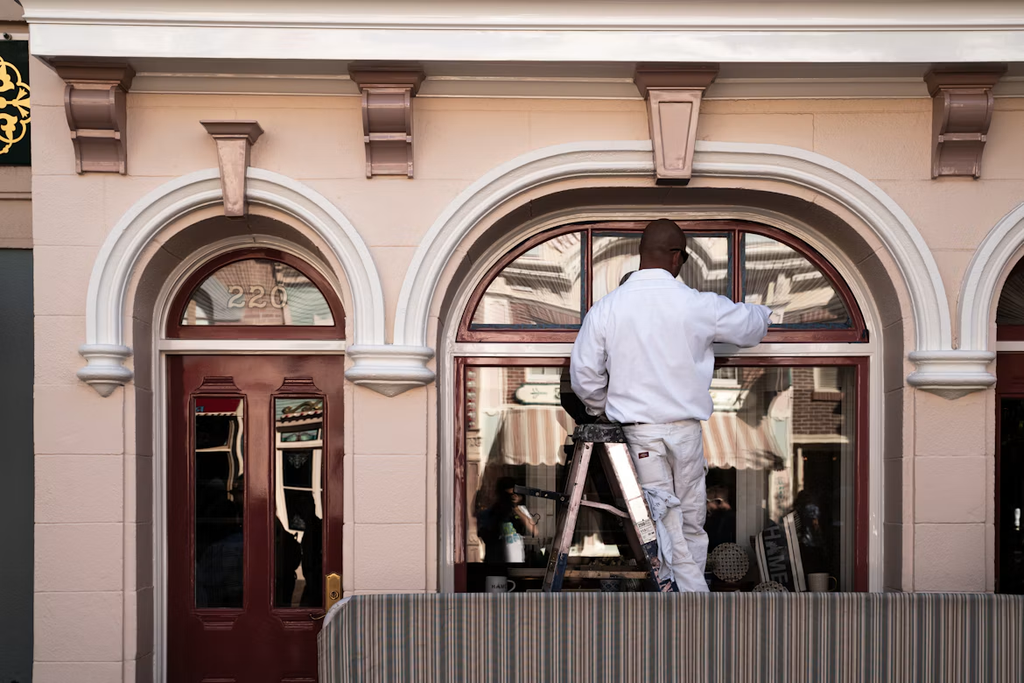
Every home has places where the interior and exterior share the same view, and those spots deserve early attention in any makeover plan. Old windows are often the weak link here, since cloudy glass, worn frames, and drafty seals can undercut a freshly decorated room and make the outside of the house look tired. New window installation solves this by bringing in clean lines, better light, and a frame style that suits both the interior décor and the outside walls.
If you are located in Fullerton window installation is a natural place to start, giving the home a fresher look and helping rooms stay more comfortable through the seasons. Starting with these shared spaces gives the rest of the makeover a clear direction to follow.
Start With a Clear Vision for the Whole Home
Before buying a single can of paint, take time to decide what you want the home to feel like. Some people want a calm, airy retreat. Others want something warm and cozy, or bold and modern. Write down a few words that describe the mood you are after, and keep them in mind for every decision that follows.
Once you have a vision, walk through the house and then step outside. Look at how each room flows into the next and how the front of the home greets visitors. Notice which areas already fit your vision and which ones work against it. This simple walk often reveals that the exterior needs as much care as the interior, even if you started out thinking only about the kitchen or the bedroom.
It also helps to collect pictures of homes you admire. Save images of rooms, porches, gardens, and front entrances. Over time, you will see patterns emerge, such as a love of natural wood, soft neutral colors, or crisp black accents. These patterns become the thread that ties the inside and outside together.
Choose a Color Palette That Works in Both Spaces
Color is one of the easiest ways to link interior design with exterior improvements. A shared palette does not mean painting every wall the same shade. It means choosing a small family of colors that look good together and using them in different amounts throughout the home.
Start with a main color for large areas, such as interior walls or exterior siding. Then pick one or two supporting colors for trim, cabinets, shutters, or the front entrance. Finally, add an accent color in small doses, such as throw pillows inside and planters or a mailbox outside.
Keep in mind that colors look different in sunlight than they do indoors. A soft gray that feels calm in the living room might look almost white on the front of the house at midday. Test paint samples on both interior and exterior surfaces, and check them at different times of day before committing.
Carry Materials and Textures From Indoors to Outdoors
Materials create a feeling of quality and connection. If your interior features warm wood floors, consider wood tones on the front door, porch ceiling, or outdoor furniture. If you love the clean look of stone countertops, a stone path or garden border can echo that choice outside.
Textures work the same way. Woven baskets and linen fabrics inside pair nicely with rattan chairs and natural fiber rugs on a patio. Sleek metal hardware in the kitchen can be matched with modern house numbers and light fixtures near the entrance. Repeating a few key materials makes the home feel planned rather than pieced together.
Too many repeated elements can feel forced, while a few well-chosen ones create a quiet sense of harmony.
Create Outdoor Living Spaces That Feel Like Extra Rooms
One of the best ways to blend interior design with exterior improvements is to treat outdoor areas as true living spaces. A patio, deck, or covered porch can become an extra room for dining, relaxing, or entertaining when it is furnished with the same care you give the inside of the house.
Choose outdoor furniture that matches the style of your interior. Add weather-resistant cushions, rugs, and pillows in your chosen color palette. Plants in attractive pots soften hard surfaces and bring life to the space. A small table, comfortable seating, and good lighting are often all it takes to create a spot people will want to use every day.
Think about how you move between indoor and outdoor areas as well. A clear, easy path from the kitchen to the patio makes outdoor dining simple. Keeping the flooring level and the view open helps both spaces feel like part of one home.
Set a Realistic Budget and Timeline
Makeovers that connect interior and exterior work can be large undertakings, so a realistic budget matters. List every project you have in mind and rank them by importance. This helps you focus spending on the changes that make the biggest difference.
Leave room in your budget for surprises. Older homes can reveal hidden problems once work begins. Setting aside extra funds keeps a small surprise from stopping the whole project.
Give yourself enough time. Rushing a makeover often leads to rushed decisions and results you may not love. Breaking the work into phases spreads out the cost and lets you enjoy each improvement as it is completed, while keeping the bigger vision on track.