Australia is witnessing a rapid transformation in the energy sector as more households move toward solar power and energy storage. With electricity prices continuing to rise and the push for sustainable living growing stronger, the demand for reliable home battery solutions has skyrocketed. Among all storage capacities currently in demand, the 10kW home battery stands out as one of the most cost-effective and versatile options available for homeowners. Its balance of power, storage capacity, efficiency, and affordability makes it the preferred choice for medium to large households across Australia.
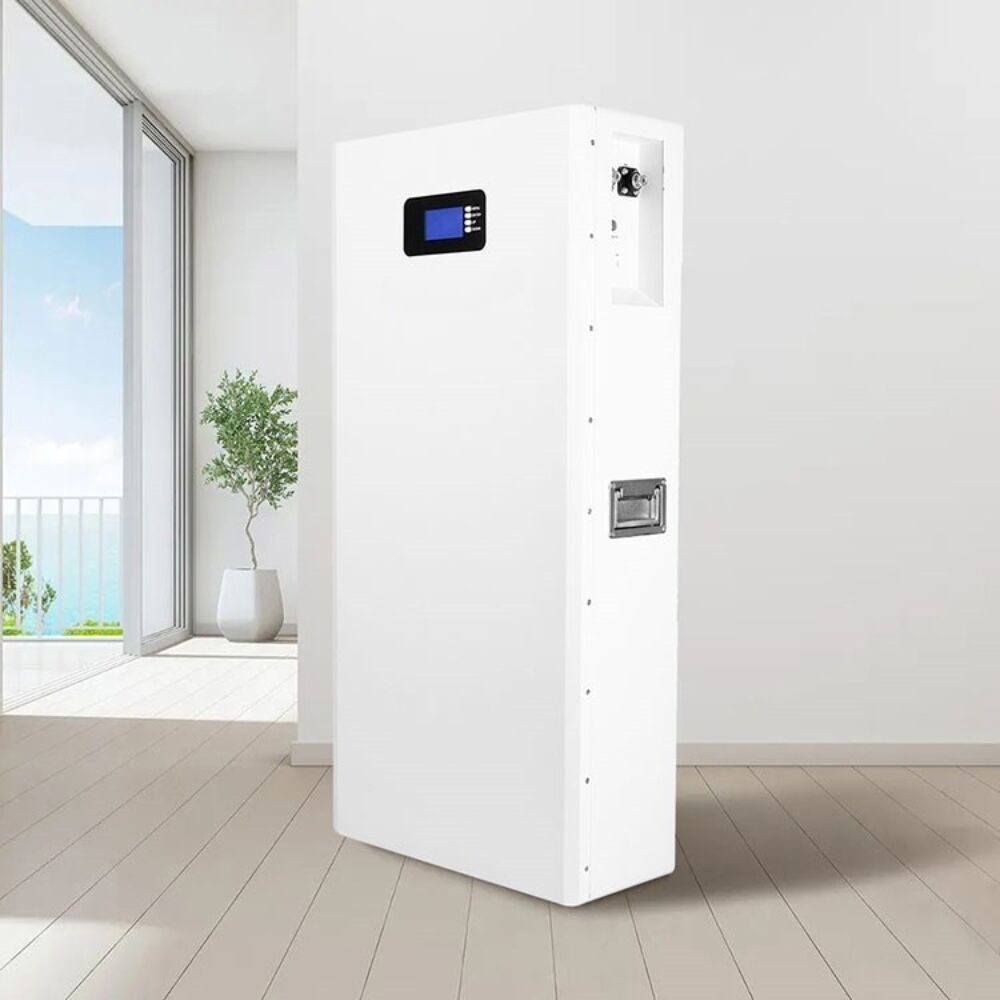
This comprehensive guide dives deep into everything you need to know — pricing, performance, features, benefits, and how to choose the right model for your home.
Why 10kW Home Batteries Are Becoming the Australian Standard
Australia leads the world in rooftop solar installations, and as solar system sizes increase, homeowners naturally seek ways to store more of their daytime energy production. A 10kW battery provides enough storage to support a typical household’s evening and nighttime consumption, making it a practical upgrade for families looking to maximize solar benefits.
Unlike smaller 3kW–5kW batteries, which may not provide enough backup for a full home, a 10kW model offers:
- A balance between power and storage
- High compatibility with 6kW–13kW solar systems
- Enough energy for most essential appliances
- Better long-term ROI through optimized solar usage
Many households that started with small batteries eventually upgrade to a 10kW model because of its performance and flexibility.
READ MORE: Here’s why the Arizona economy is poised to accelerate
LOCAL NEWS: Want more stories like this? Get our free newsletter here
Understanding the Real Cost of a 10kW Battery in Australia
As of 2025, the price of a 10kW battery in Australia typically ranges from $6,500 to $12,500, depending on the brand, chemistry, installation, and warranty. LiFePO4 (Lithium Iron Phosphate) batteries dominate the market due to their longevity, safety, and stability.
The total cost is influenced by:
1. Battery Chemistry
LiFePO4 batteries are more durable, safer, and offer a longer cycle life than older lithium-ion chemistries.
2. Depth of Discharge (DoD)
Higher DoD means more usable energy, which directly affects performance.
3. Warranty and Cycle Life
Most premium batteries offer 5000–6000 cycles with warranties between 8–12 years.
4. Installation Requirements
Costs vary depending on whether the system needs a hybrid inverter, new wiring, wall brackets, or safety enclosures.
5. Brand & Certifications
Brands with strong certifications (ISO, CE, UN38.3) tend to have higher upfront costs but better reliability.
When combined with a well-sized solar system, a 10kW battery can reduce electricity bills by up to 70–85%, offering a payback period of 5–7 years depending on location and energy usage.
kW vs. kWh — The Most Common Confusion Explained
Many homeowners mix up kW (kilowatt) and kWh (kilowatt-hour), but understanding the difference is essential when choosing a battery:
- kW = Power output
Determines how much energy the battery can deliver at one moment.
For example, a system like a 10kWh powerwall battery stores 10 kilowatt-hours of energy, which is enough to run essential appliances such as refrigeration, lighting, Wi-Fi, TVs, and even air conditioning for several hours depending on the load.
When pairing a battery with solar, most Australian homes fall into the 10kWh–13kWh sweet spot for maximum efficiency.
Key Features You Should Look for in a 10kW Battery
A home battery is a long-term investment, so it is crucial to choose the right features.
1. Depth of Discharge (DoD)
A high DoD (≥ 90%) ensures you can use nearly the full battery capacity without reducing its lifespan.
2. High-Quality BMS (Battery Management System)
A good BMS protects the battery from:
- Overcharging
- Overheating
- Short circuits
- Voltage imbalances
This significantly improves safety and efficiency.
3. Compatibility With Modern Inverters
Before buying, confirm your battery works with popular inverters like:
- Victron
- GoodWe
- Growatt
- SMA
- Solis
Compatibility ensures seamless performance and fewer installation issues.
4. Cycle Life & Warranty
Select a battery with a long cycle life. Anything above 5000 cycles is considered excellent for residential use.
5. Expandability
Some 10kW systems allow additional modules to be added later — ideal for growing families or homes that might add EV chargers in the future.
6. Installation Flexibility
Wall-mounted options save space and look clean, while rack-mounted options allow modular stacking.
Real Benefits of a 10kW Home Battery for Australian Homeowners
1. Massive Savings on Electricity Bills
By storing excess solar energy and using it during peak evening hours, homeowners reduce their reliance on the grid. This directly lowers electricity bills and reduces exposure to tariff hikes.
2. Backup Power During Blackouts
Many Australian regions suffer from frequent outages. A 10kW battery ensures essential appliances continue functioning, keeping your home comfortable and secure.
3. Better Use of Solar Energy
Solar panels often produce more energy during the day than a home can use. Instead of sending excess energy to the grid for little return, storing it in a battery increases self-consumption significantly.
4. Reduced Carbon Footprint
Using stored solar power instead of grid electricity dramatically reduces carbon emissions and supports a more sustainable lifestyle.
5. Increased Home Value
Homes equipped with solar + battery systems sell faster and at higher prices because buyers see long-term savings and energy independence.
6. Low Maintenance & High Safety
Modern LiFePO4 systems require almost no maintenance and offer superior safety compared to older battery chemistries.
Is a 10kW Battery Right for Your Home?
A 10kW system is ideal if:
- You have a 6kW–13kW solar system
- Your household uses 15–25 kWh daily
- You want protection during power outages
- You aim to reduce electricity costs long-term
- You plan to add EV charging in the future
- You want strong backup capability
For small households or low-consumption homes, a 5kWh battery may be enough. But for most families, a 10kW model hits the perfect balance between performance, affordability, and long-term value.
Final Thoughts
A 10kW home battery system is one of the most reliable and cost-effective energy solutions available for Australian households in 2025. As electricity prices rise and the grid becomes increasingly unstable, investing in a high-quality home battery is no longer a luxury — it’s a smart move that increases savings, improves energy independence, and boosts overall home value.
Whether you are upgrading your current solar setup or installing a new system, a 10kW battery provides long-term benefits that make it an excellent investment for years to come.