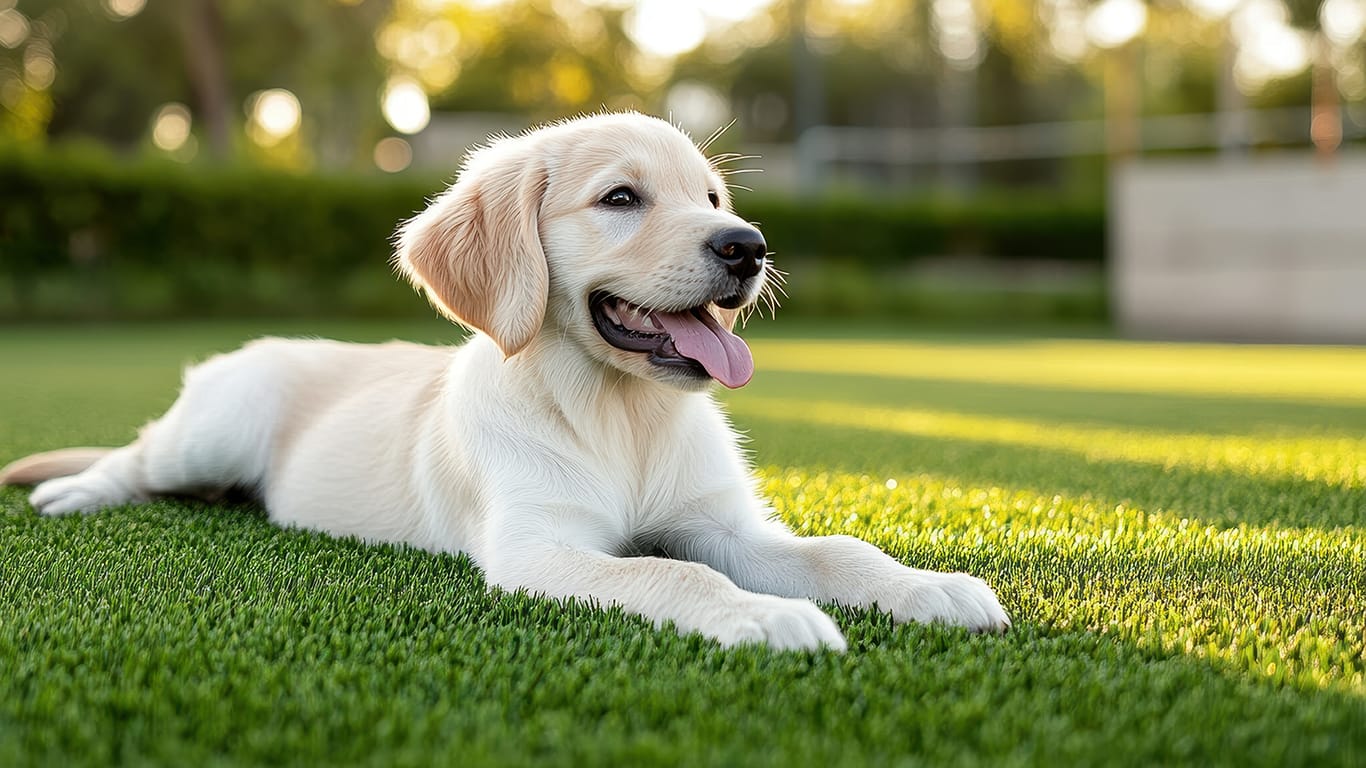
Pet owners often need outdoor space that protects paws, limits soil exposure, and stays sanitary after daily use. Natural grass can break down where dogs sprint, circle, dig, or urinate. Once roots weaken, mud, bacteria, and odor settle into damaged ground. Pet-friendly artificial turf gives households a steadier surface, helping reduce indoor mess while supporting cleaner play, easier waste removal, and more predictable yard care.
A Cleaner Daily Yard
Busy dog zones need ground cover that resists rutting without trapping damp soil near the surface. Quality pet turf helps reduce dirty paws, loose sediment, and worn strips near gates, paths, and fence lines. For homes, boarding facilities, and shared pet areas, a cleaner footing supports healthier routines and less frequent deep cleaning.
Less Mud After Rain
Rain exposes weak lawn areas quickly. Compacted soil sheds water poorly, while thin grass leaves paws in direct contact with wet earth. A pet-safe turf layer creates firmer footing and reduces splashback from saturated ground. This matters for puppies, senior dogs, and animals with joint stiffness, since slippery mud can increase strain during movement.
Better Drainage Control
Pet areas need drainage that moves urine and rinse water away from contact surfaces. A permeable turf structure allows liquid to pass through rather than pool on the surface. Once moisture reaches prepared soil, airflow and microbial activity can help reduce odor-causing residue. Good grading also reduces standing-water risk after storms, sprinklers, or routine hose cleaning.
Odor Management
Odor usually develops when urine salts, waste particles, and moisture remain trapped. Pet-friendly turf should support fast cleanup while allowing liquid to drain downward. Owners still need prompt waste removal and periodic rinsing. Even so, the right surface can reduce persistent smells in small yards, kennel runs, apartment dog areas, and daycare play spaces.
Cooler Under Paws
Surface heat deserves careful attention in sunny climates. Dense synthetic grass can hold warmth, which may irritate paw pads or discourage outdoor activity. Pet-focused turf should support airflow, moisture movement, and reasonable comfort. Shade, drinking water, and supervised play remain important, but a cooler surface helps dogs spend time outside with lower heat stress.
Supports Natural Behavior
Dogs rely on scent, texture, and footing to feel secure outdoors. A yard surface should allow normal sniffing, turning, and play without constant soil disturbance. Hybrid turf options that permit grass growth can preserve a more familiar ground feel. That approach may keep pets engaged while protecting root zones from heavy traffic and repetitive paw pressure.
Lower Maintenance Demands
Natural grass often requires reseeding, patch repair, irrigation, and mud control after repeated use by pets. Pet-friendly turf reduces many of those recurring tasks. Hybrid systems may still require mowing where living grass grows through the grid, yet the protected base holds shape better. Fewer bare patches mean less repair work and more usable space through seasonal changes.
Smart Use Areas
Full-yard coverage is not always necessary. Many owners treat the areas that fail first. Common choices include gate entries, fence runs, kennel lanes, and play corners. This focused method can control cost while solving high-contact problems. Larger sites, such as daycare yards or multifamily dog spaces, may require wider coverage to maintain consistent hygiene and footing.
Installation Practicality
Installation quality affects comfort, drainage, and service life. Some turf products can be placed over properly prepared soil, depending on site conditions and manufacturer guidance. Rolls can fit narrow corridors or open play zones. A sound plan should address grading, seed establishment where needed, edge security, and cleaning access before pets begin regular use.
Safety And Comfort
A pet yard should protect paw pads, support traction, and avoid abrasive contact. Turf made for dogs should feel stable during running, stopping, and turning. It should also allow waste pickup without smearing or residue buildup. Owners should review material safety, infill requirements, drainage rates, and cleaning instructions before choosing any surface for frequent animal use.
Cost Value
The value comes from reduced mess, fewer repairs, and better use of outdoor space. Mud control can save cleaning time inside a home or facility. Cleaner play areas also support a more sanitary experience for visitors, staff, and pets. Upfront costs vary, but savings often come from lower labor, reduced watering, and fewer repeated lawn fixes.
Conclusion
Pet-friendly artificial turf is a smart choice because it solves practical problems that affect pet health, household cleanliness, and daily comfort. It can reduce mud exposure, improve drainage, limit odor, and protect high-use ground from repeated damage. Best results come from choosing a surface built for animal traffic and installing it with drainage in mind. For homes and professional care settings, that combination creates cleaner, safer outdoor routines.