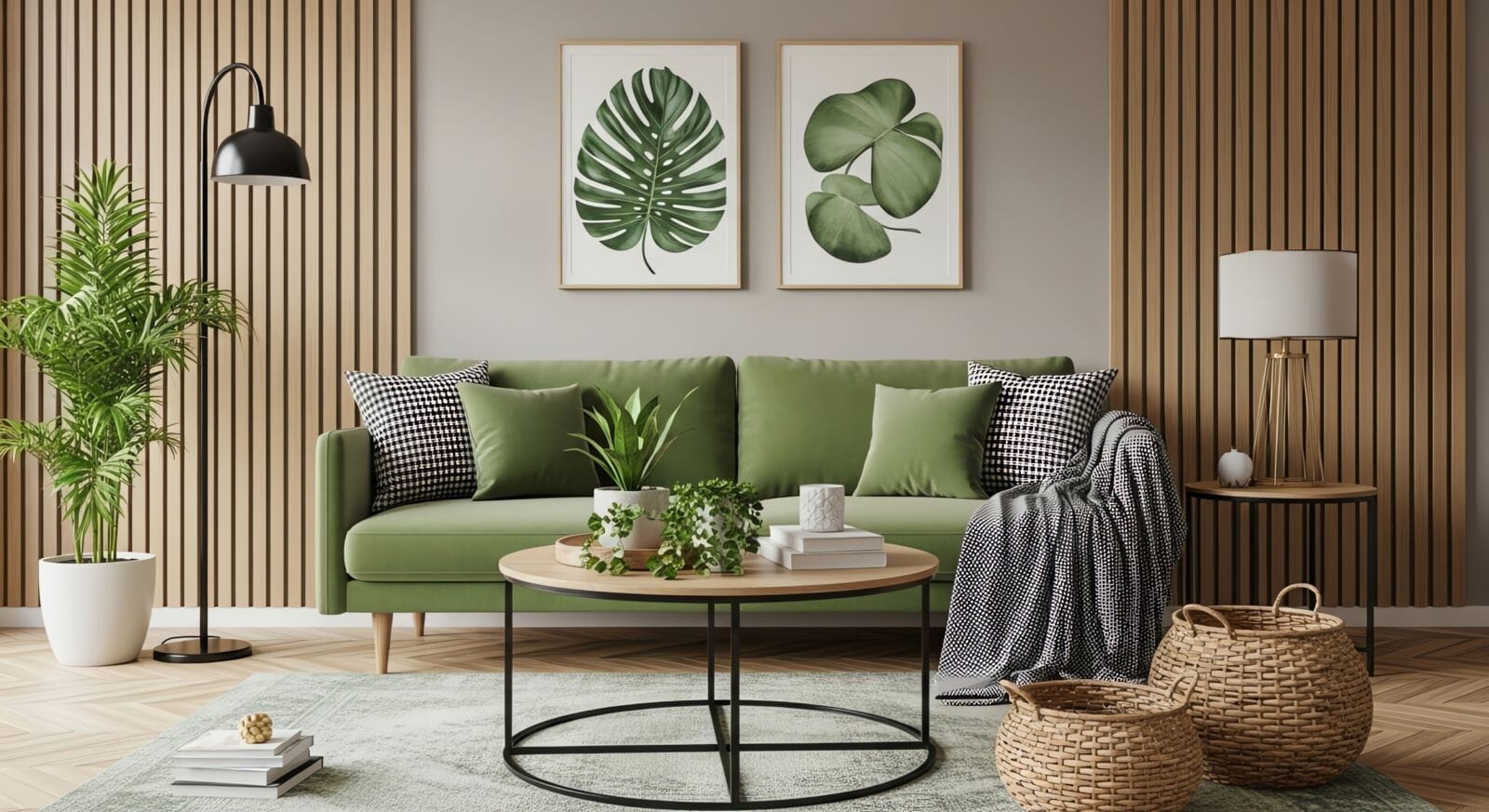
Walk into any high-end showroom in Scottsdale or browse the pages of Architectural Digest, and you’ll notice a pattern. Vertical lines. Clean geometry. Warm timber tones running floor to ceiling. Slatted wall panels have become one of the defining features of luxury interiors, and their rise shows no sign of slowing down.
But what exactly makes them so popular among designers and homeowners willing to spend six or seven figures on a renovation? The answer is part aesthetic, part practical, and part cultural shift in how Americans think about their living spaces.
The Visual Appeal That Sells Itself
There’s something inherently satisfying about repeating vertical lines. Designers call it rhythm, and it works on the eye the way a good bassline works on the ear. Slatted panels create depth, shadow, and texture on surfaces that would otherwise be flat and forgettable. A plain drywall accent wall does nothing. Add slats, and suddenly the room has dimension.
The effect is especially powerful in open-concept homes, which remain the dominant layout in American luxury construction. According to the National Association of Home Builders, roughly 85% of newly built homes over 3,000 square feet feature some form of open floor plan. That’s a lot of continuous wall space begging for visual interest.
Versatility Across Design Styles
One reason architects keep reaching for slatted panels is their chameleon quality. Light oak slats with wide spacing feel Scandinavian. Dark walnut with tight gaps reads mid-century modern. Painted white and installed horizontally, they lean coastal. This adaptability means they work in a Sedona desert contemporary just as well as a Manhattan penthouse.
Los Angeles designer Kelly Wearstler has incorporated vertical slat details in several commercial projects, and the look has filtered down through Instagram and Pinterest into residential spaces across the country. The hashtag #slatwall has accumulated over 200,000 posts on Instagram alone.
More Than Just a Pretty Surface
Luxury buyers don’t just want things that look good. They want things that perform. Slatted wall panels quietly deliver on several functional fronts that often get overlooked.
Acoustic Benefits
Sound control matters in high-end homes, particularly those with hard flooring, double-height ceilings, and expansive glass. Slat panels, especially those backed with acoustic felt, absorb and diffuse sound rather than bouncing it around. Home theaters, music rooms, and open kitchens all benefit. Some manufacturers report a noise reduction coefficient of 0.6 or higher, which is significant for a wall treatment that doesn’t look like soundproofing.
Concealing the Mundane
Nobody wants to stare at an HVAC return or a utility closet door. Slatted panels offer an elegant way to hide mechanical elements, wiring, and storage. Designers frequently run them across entire feature walls, integrating hidden doors and access panels that blend seamlessly with the surrounding slats. The result is a clean, unbroken surface that looks intentional rather than patched together.
Material Choices and Sustainability Concerns
American luxury consumers are increasingly asking where their materials come from. A 2023 survey by the American Institute of Architects found that 63% of residential firms reported clients requesting sustainable or low-impact materials. Slatted panels meet this demand better than many alternatives.
Solid timber options sourced from FSC-certified forests are widely available. Engineered wood and MDF versions reduce waste by using smaller wood fibers more efficiently. Several manufacturers now offer panels made from reclaimed wood, adding character through authentic weathering that no factory finish can replicate.
For budget-conscious projects, PVC and composite slats provide the look without the premium price tag, though purists in the luxury segment tend to prefer real wood for its warmth, scent, and the way it ages gracefully over time.
Installation and Cost Considerations
Professional installation of a slatted feature wall typically runs between $15 and $45 per square foot, depending on material and complexity. That puts it well below natural stone or custom millwork but above standard wainscoting or wallpaper. For the visual impact delivered, most designers consider it a strong value proposition.
Many panels now come in modular, interlocking systems that reduce labor time. A skilled carpenter can complete a 120-square-foot accent wall in a single day. Compare that to custom built-ins, which might take a week or more, and the efficiency becomes clear.
A Trend With Staying Power
Trends in luxury design tend to cycle every seven to ten years. Slatted panels, however, draw on principles that have endured for centuries. Japanese architecture used wooden slat screens called yoshido hundreds of years ago. Mid-century modernists like Richard Neutra incorporated vertical wood elements throughout their iconic California homes.
What feels fresh right now is actually rooted in timeless design logic. Clean lines, natural materials, and functional beauty never truly go out of style. That combination is exactly why slatted wall panels have earned their place in the luxury design playbook, and why they’re likely to stay there for years to come.