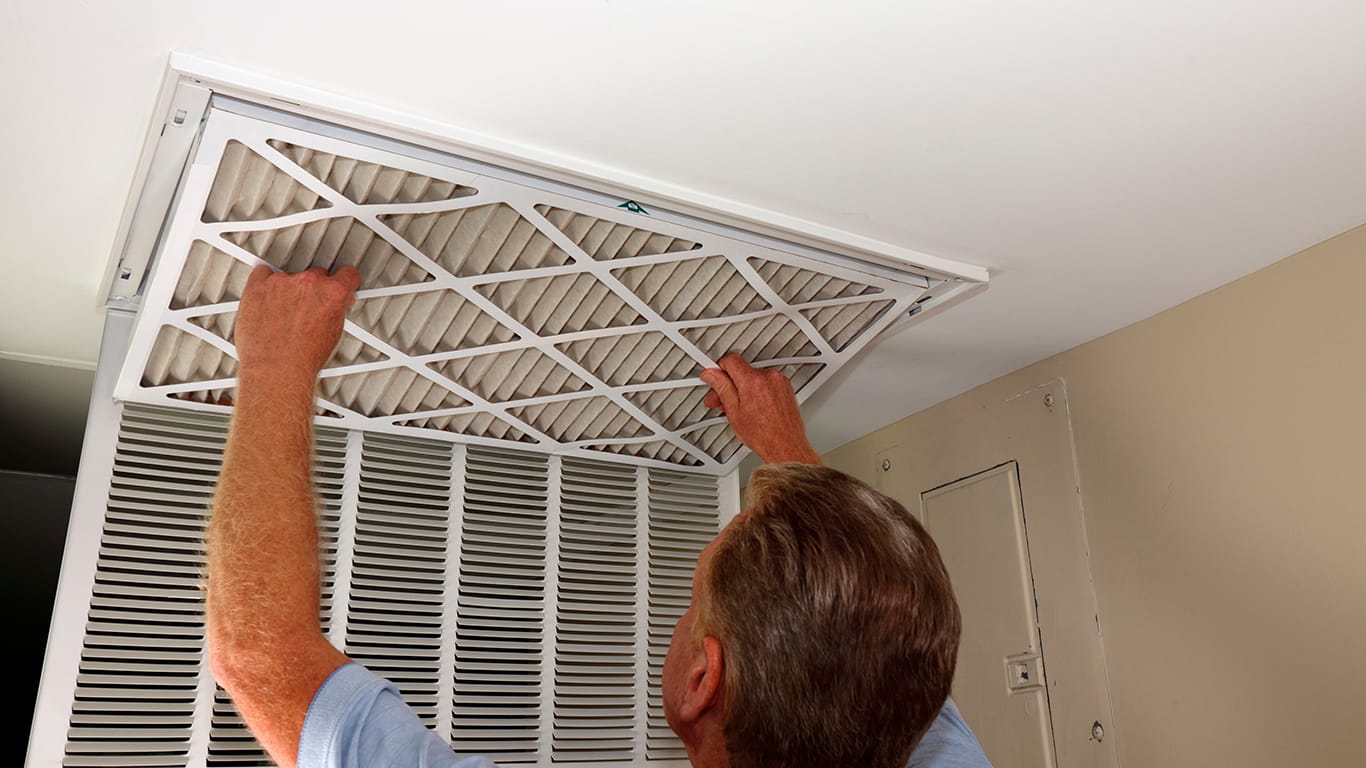
Walk down the filter aisle at any hardware store, and you’ll see the same advice on almost every package: change your air filter every 90 days. For much of the country, that works fine. In Arizona, it falls short.
HVAC technicians who service homes across the Valley give a different number: every 30 days.
That’s three times more often than the box suggests. Here’s why it matters, and why right now is the perfect time to start.
MORE NEWS: Honeywell is building new $500 million manufacturing facility in Tempe
DEEPER DIVE: 10 Arizona restaurants make Yelp’s Top 100 Mexican food spots
Where the 90-Day Rule Comes From
The number on the packaging is a national recommendation. It’s designed for an average home in an average climate, where the AC runs part of the year, and the air stays fairly clean.
Arizona homes play by different rules. Air conditioners here run hard for most of the year. Desert dust is part of daily life. Then monsoon season stacks dust storms and humidity on top of triple-digit heat.
Each of those factors pushes more air, and more dust, through your filter.

What 30 Days Looks Like in an Arizona Home
Showing clients a side-by-side photo demonstrates that one filter is brand new and the other came out of a Valley home after just 30 days of normal living. The difference surprises nearly everyone.
That gray buildup means the filter is doing its job. It traps dust before it reaches your HVAC system. Once it fills up, though, air has a harder time getting through.
Why a Dirty Air Filter Costs You
A clogged filter forces your AC to work harder to move the same amount of air. That leads to longer run times, higher electric bills, and extra wear on expensive parts. Restricted airflow can also cause the indoor coil to freeze or the system to shut down.
In other words, a dirty filter can turn a cheap fix into a costly repair. Plenty of the “my AC just stopped working” calls trace back to basic maintenance.
How Monsoon Season Adds to the Strain
Humidity changes how your air conditioner works. When there’s moisture in the air, your system pulls that water out first and then cools your home. Add dust storms, and it runs even longer.
That’s why recommending a deep cleaning once the storms are over helps clear out what monsoon season left behind and sets your system up for the months ahead.
Your AC Keeps Working in Winter
Many homeowners assume their air conditioner gets a break when temperatures drop. However, most Arizona homes use electric systems that rely on the same parts to heat and cool. Your filter stays on duty all year.
Think of HVAC maintenance like an oil change. You wouldn’t drive your car for a year without one. Your air conditioner deserves the same care, especially here.
New to Arizona? Start Here
If you moved here from another state, the 30-day rule might sound extreme, especially to transplants. Meanwhile, longtime Arizonans usually just nod. They’ve seen what a month of desert air does to a filter.
A Simple Habit That Protects Your HVAC System
The good news is that this is one of the easiest things you can do for your home. Here’s how to make it stick:
- Pick a monthly date. The first of the month works well. Set a phone reminder so it happens automatically.
- Keep spare filters on hand. When a fresh one is waiting in the closet, the swap takes two minutes.
- Check after big dust storms. A heavy storm can load up a filter fast, so take a quick look afterward.
- Schedule professional maintenance twice a year. A tune-up catches small problems before they turn into breakdowns.
The Bottom Line for Arizona Homeowners
The 90-day rule was written for the national average, and the desert is anything but average. A fresh air filter every 30 days keeps your system breathing, keeps your bills in check, and helps your AC last longer. In Arizona, that small monthly habit pays off all year long.
Author: John Baca is the founder of Cornerstone Heating & Cooling, a residential and light commercial HVAC company serving Scottsdale, Phoenix, and communities across the Valley. A graduate of Refrigeration School Inc. (RSI), he brings both residential and commercial experience, including time with Trane.