Indoor air quality has a direct impact on health, comfort, and overall well-being. In San Antonio, where warm temperatures and seasonal allergens are common, maintaining clean indoor air can be challenging. Many homeowners focus on air filters and ventilation, but carpets also play a major role in how clean the air inside a home really is.
Carpets cover a large surface area and interact constantly with indoor air. Over time, they collect dust, allergens, and moisture that can affect the quality of the air people breathe every day.
The Relationship Between Carpets and Indoor Air
Carpets act like holding areas for airborne particles. When dust, pollen, and other contaminants enter a home, they often settle into carpet fibers. This can initially prevent particles from floating in the air, but as carpets become full, these pollutants are easily released back into the air when people walk across them.
In San Antonio, outdoor air often carries cedar pollen, grass pollen, soil dust, and pollution from traffic. These particles enter homes through doors, windows, shoes, and pets. Once inside, carpets trap them until they are properly removed.
Common Air Pollutants Trapped in Carpets
Dust, Allergens, and Pet Dander
Household dust is made up of very small particles that can sink deep into carpet fibers. Pollen and pet dander are also lightweight and easily become airborne again when disturbed. For people with allergies or asthma, this can lead to discomfort, coughing, and breathing difficulty.
San Antonio residents often deal with strong seasonal allergies, especially during cedar season. Even when pollen levels drop outside, allergens trapped in carpets can continue affecting indoor air quality if carpets are not cleaned thoroughly.
Moisture and Microbial Growth
Humidity and occasional heavy rains in South Texas can introduce moisture into homes. When moisture becomes trapped in carpets, it creates conditions that support mold spores and bacteria. These microorganisms can negatively affect indoor air and may cause unpleasant odors or health concerns.
How Carpet Cleaning Helps Improve Air Quality
Professional carpet cleaning removes deeply embedded pollutants that regular vacuuming cannot reach. By extracting dust, allergens, and fine particles, cleaning reduces the amount of material that can be released back into the air during everyday activity.
Clean carpets also support better airflow inside the home. When fewer particles are disturbed, heating and cooling systems circulate cleaner air throughout living spaces. This is especially important in San Antonio homes where air conditioning systems run for much of the year.
Regular deep cleaning also helps manage moisture levels in carpets. Proper drying techniques reduce the risk of mold growth, which supports healthier indoor air over time.
The Importance of Proper Cleaning Practices
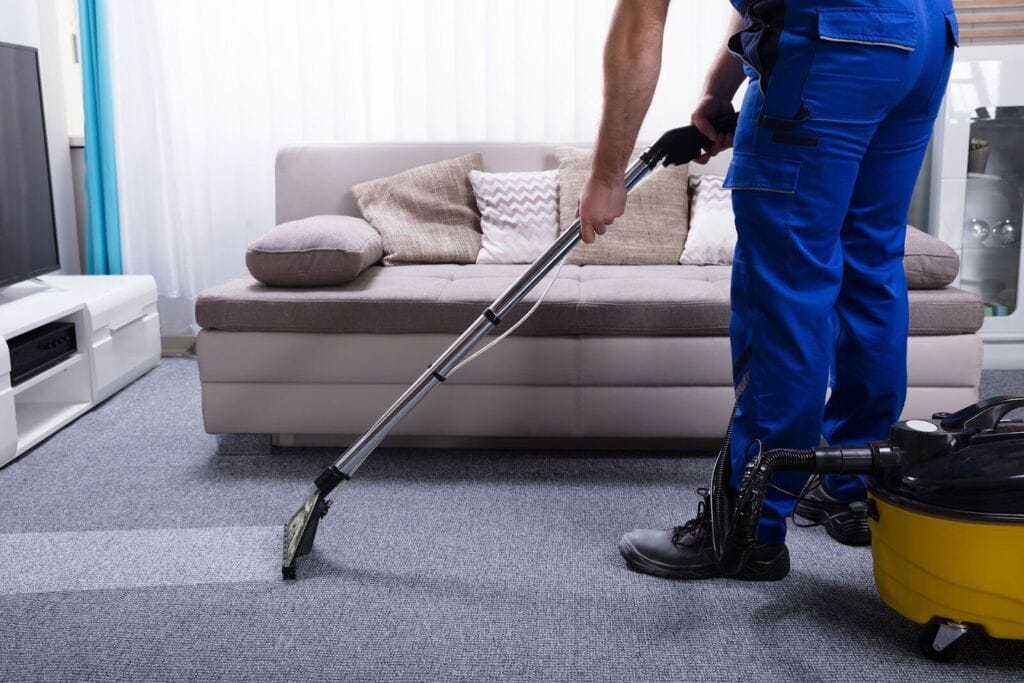
Image Source: Yandex.com
Not all cleaning methods are equally effective for air quality. Professional services use equipment designed to remove contaminants without leaving behind residues or excess moisture. A Carpet Cleaning Company in San Antonio typically understands the local climate and environmental conditions that affect indoor air.
According to guidance from the U.S. Environmental Protection Agency, reducing indoor air pollutants at their source is one of the most effective ways to improve indoor air quality. Carpets are considered a major source when not properly maintained. More information about indoor air quality management can be found on the EPA’s official website at www.epa.gov.
Long-Term Benefits for San Antonio Homes
Cleaner carpets contribute to a healthier indoor environment overall. Improved air quality can support better sleep, fewer allergy symptoms, and a more comfortable living space. For families with children, elderly residents, or pets, maintaining clean carpets can be especially beneficial.
San Antonio’s climate and outdoor conditions make indoor air quality an ongoing concern. Regular carpet cleaning helps prevent the buildup of pollutants and ensures that carpets do not become long-term sources of airborne contamination.
Conclusion
Carpets play a much larger role in indoor air quality than many homeowners realize. In San Antonio homes, where dust, allergens, and everyday pollutants easily accumulate, carpets can act as reservoirs for particles that affect comfort and respiratory health. Professional carpet cleaning helps remove trapped contaminants, reduces airborne irritants, and supports a cleaner indoor environment. Regular maintenance combined with proper ventilation and filtration can significantly improve air quality throughout the home. Understanding this connection allows homeowners to make smarter choices that protect both comfort and long-term wellbeing. For additional insight into how indoor environments influence health and energy levels, this related article from AZ Big Media offers helpful guidance: Feeling fatigued all the time? Here’s how poor indoor air quality is causing it.