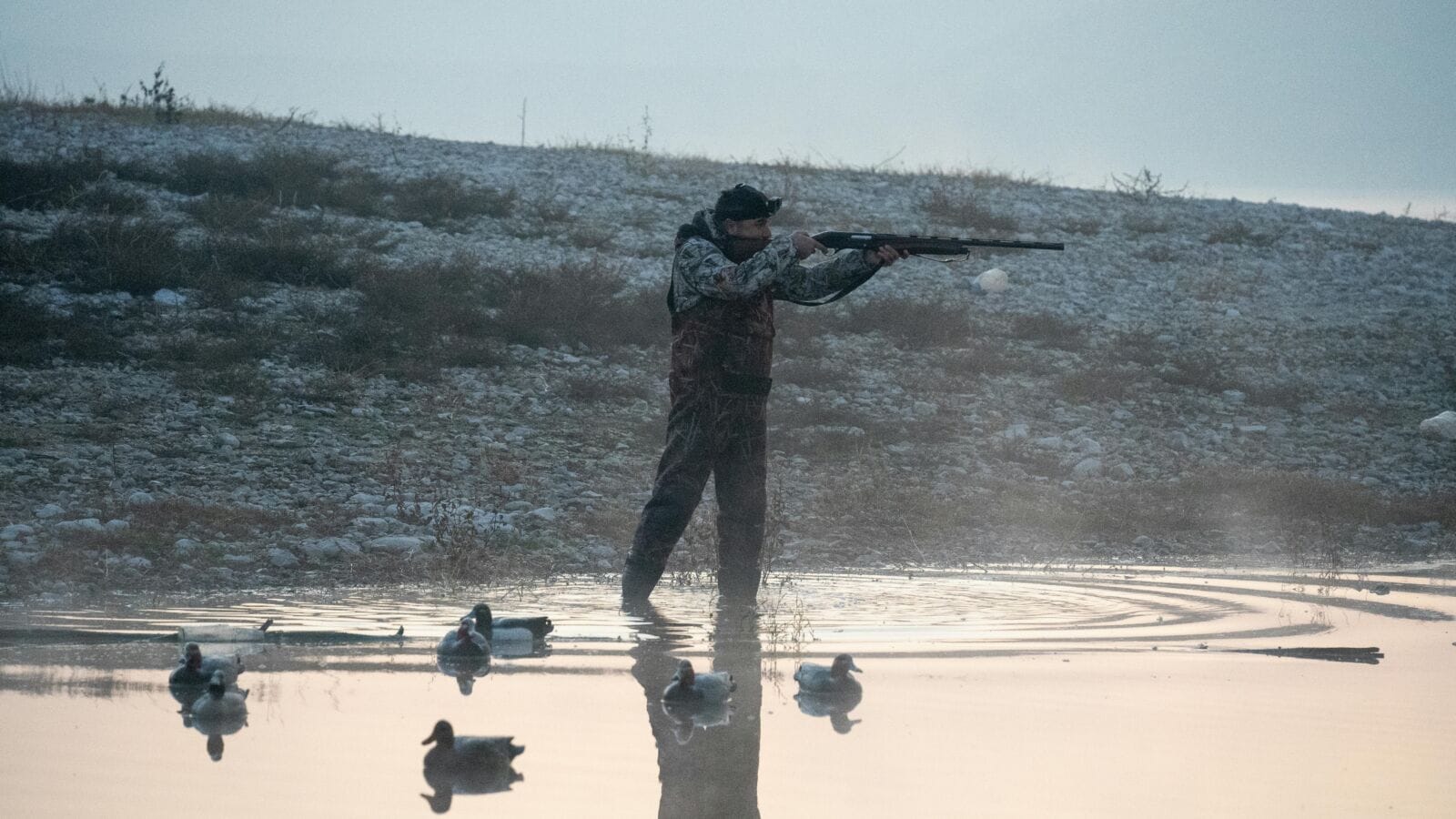
Have you ever wondered why some hunting trips go smoothly while others face unexpected problems? The answer often lies in local wildlife regulations. These rules guide where, when, and how hunting happens.
Following them is important for both safety and conservation. Ignoring these rules can lead to fines or lost hunting privileges. Hunters need clear information to avoid mistakes.
This article explores how local rules affect hunting, how to choose the right gear, and the best ways to prepare. Read on to discover helpful tips that will make your next hunting adventure easier and more enjoyable.
Understanding Wildlife Regulations
Every region has its own set of wildlife rules. These regulations decide what animals can be hunted and when the season opens or closes.
Some areas may limit the number of animals you can hunt each day. It is important to check these rules before planning your trip. Knowing the law helps hunters avoid trouble and supports animal populations.
Accessing Hunting Areas
Locating a suitable location to hunt is the initial step. Hunting is permitted on public lands in many states; however, you must check the access rules.
On certain lands, a permit or other special permission might be required. Consent from the land’s owner is always required for private land. Ensure that you look at maps and websites of the local area to obtain the most recent information.
Types of Game Available
There are many different game species available in various regions. Frequently selected options include deer, turkey, waterfowl, and small mammals.
The available game varies depending on the time of year and the location. If you want to hunt certain animals, you should always check that before you go. You can have a successful trip and ensure that you comply with the law.
Gear for Different Landscapes
Choosing the right gear depends on the environment. Forests may need sturdy boots and camouflage clothing. Open fields call for lightweight gear and binoculars.
Wetlands often require waterproof boots and waders. Mountain areas need warm clothes and extra safety gear. For more suggestions, click for hunting tools that match your needs.
Respecting Conservation Efforts
Wildlife regulations help protect animal populations. These regulations are based on scientific research and may be modified as needed.
Following them supports healthy habitats and future hunting seasons. Hunters play a key role in conservation by obeying the rules. Respect helps keep the tradition alive for everyone.
Preparing for a Safe Hunt
Safety is always the top priority. Do a final check of your gear before you leave the house. Let someone know your hunting plans and where you intend to hunt.
Follow all local rules while in the field. Stay alert to weather changes and potential hazards. A prepared hunter is a safe and responsible hunter.
Moving Forward with Smarter Hunting Choices
Wildlife laws in the area are an important part of every hunting plan. A safe trip includes knowing the rules, getting permission to go, knowing the local game, and packing the right gear.
Making sure everything is ready also helps protect wildlife and natural areas for future generations. It’s easier and more fun to hunt when you know what to expect before each season. Having good habits today will make tomorrow better.
Did you like this guide? Great! Please browse our website for more!