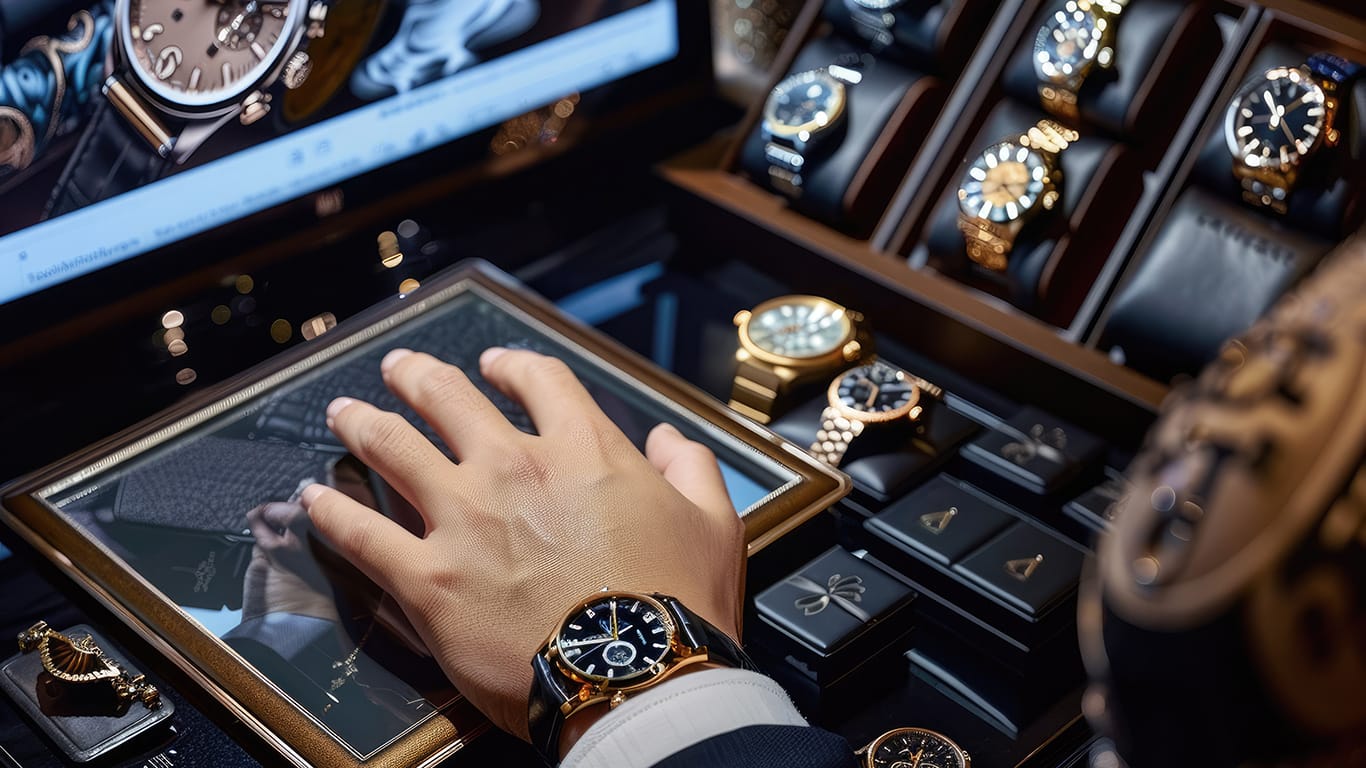
Buying a luxury watch used to mean visiting a boutique, shaking hands with an authorized dealer, and hoping your name made it onto a waiting list. Today, the process often starts with a search bar, not a showroom. Online platforms have quietly reshaped how collectors research, compare, and ultimately purchase high-end timepieces.
The shift goes beyond replacing boutiques, bringing greater transparency, faster access, and real-time data to a category that once depended largely on insider connections.
The Rise Of The Digital Luxury Watch Marketplace
The numbers tell a clear story. According to a 2025 report covered by Europa Star, the global secondary watch market reached $16.73 billion in 2025, growing 36.4% year over year. For buyers, that growth translates into more listings, more pricing data, and more leverage.
Meanwhile, a feature by WatchPro reported that secondary market sales hit $17 billion in 2025, with platforms surpassing $1 billion in listings. That scale matters because it gives buyers something they rarely had before: real-time market visibility.
Instead of relying solely on a dealer’s quote, shoppers now cross-check multiple listings across platforms. Pricing is no longer whispered behind a counter. It is searchable, comparable, and increasingly transparent.
Research First Purchase Second
Luxury watch buyers have become researchers. According to a 2026 feature by Wallpaper, 29% of watch sales now happen online, with premium and ultra-luxury segments steadily embracing digital channels. That means nearly one in three purchases begins and ends online.
Even when the final transaction happens in-store, the decision-making process often happens digitally. Buyers compare reference numbers, check production years, review condition reports, and analyze historical price trends before making contact with a seller.
This research-heavy approach has changed expectations. Collectors want authentication details, high-resolution images, and clearly stated service histories. Platforms that provide structured listings and side-by-side comparisons feel less like marketplaces and more like research hubs.
In that landscape, many shoppers turn to WatchPolice watch listings to scan multiple brands and sellers in one place. The appeal is practical: consolidated listings allow buyers to see how a specific Rolex Submariner or Patek Philippe Nautilus is priced across the market without jumping between dozens of dealer sites.
Transparency Is The New Status Symbol
Prestige still matters. Scarcity still drives demand. Yet transparency has become just as important as exclusivity.
A recent analysis highlighted by WatchGauge referenced Deloitte research showing that interest in pre-owned watches has doubled since 2020, particularly among younger buyers. That growth reflects a shift in mindset.
Collectors today care not only about brand heritage but also about value retention and resale performance. They check historical pricing data. They compare discounts to MSRP. They look at how similar models are trading in different regions.
Large digital marketplaces attract millions of monthly users browsing vast global inventories, underscoring how research-driven watch buying has become. That scale gives buyers a clear benchmark. Comparing multiple listings side by side reduces uncertainty and strengthens confidence before committing to a significant purchase.
Transparency also influences negotiation. When a buyer walks into a boutique or contacts a private seller, they often arrive armed with screenshots and market comps. The conversation shifts from speculation to data-backed discussion.
A More Informed And Empowered Collector
Online platforms have not diminished the romance of watch collecting. They have expanded access to it.
Buyers in Phoenix, Scottsdale, or anywhere in Arizona can explore global inventory from their phone. Limited releases, discontinued references, and niche independent brands are no longer confined to a single geography.
The modern buyer journey often looks like this:
- Research reference numbers and price ranges online
- Compare condition grades and seller reputations
- Decide whether to buy digitally or finalize in person
This process blends convenience with control. It also encourages thoughtful purchasing rather than impulse-driven decisions.
Where The Luxury Watch Buying Experience Goes Next
The luxury watch buying experience now sits where tradition meets technology. Digital platforms bring pricing transparency and worldwide inventory into focus, while boutiques still deliver hands-on interaction and brand heritage. Savvy collectors blend both approaches, researching online before deciding how to purchase.
If you are navigating how online platforms are changing the luxury watch buying experience, compare listings, follow price trends, and join in the discussion on AZ Big Media.