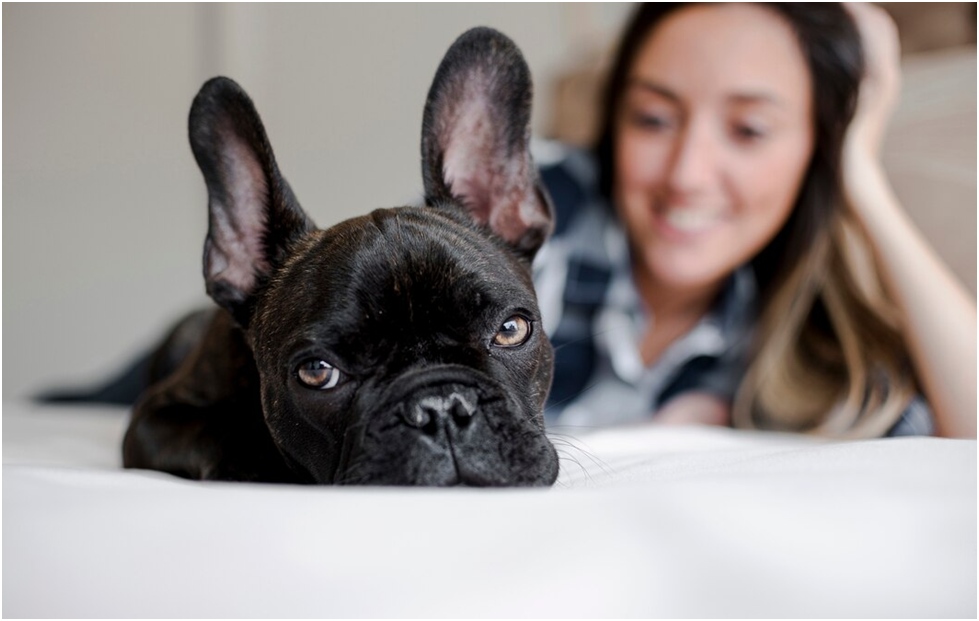
Most people who get a pet do so with the best intentions. They want to provide a good home, show their animal love, and give them a happy life. But good intentions and good ownership aren’t always the same thing. The difference, more often than not, comes down to understanding what a pet actually needs at each stage of their life and being willing to adapt as those needs change. Here is how to do that well.
The Early Days: Building Trust and Good Habits
The first weeks and months with a new pet are more consequential than most owners realize. This is when the foundations are laid for behavior, for health, and for the relationship itself. A puppy or kitten that is handled gently, exposed to a variety of people and environments, and introduced to consistent routines early on is far more likely to grow into a confident, well-adjusted adult animal.
Socialization is one of the most underinvested areas of early pet ownership. It’s not just about getting a young animal used to other dogs or cats. It’s about exposing them to different sounds, surfaces, situations, and people so that the world doesn’t become a source of anxiety as they grow. The window for this is shorter than most owners expect, particularly in dogs, where the critical socialization period closes at around twelve to sixteen weeks.
Establishing a relationship with a vet early on matters too. Not just for vaccinations and parasite control, but for getting a baseline understanding of your specific animal’s health. A vet who has known your pet since they were young is a far more useful resource when something changes later on.
The Active Years: Enrichment and Preventive Care
The middle years of a pet’s life are often the easiest. They are past the chaos of youth, their personality is established, and health problems are usually still some way off. It’s tempting to settle into routine and assume everything is fine. That complacency is where a lot of owners let their animals down without realizing it.
Physical exercise is the obvious requirement, but mental stimulation matters just as much and gets far less attention. Dogs especially need their brains engaged as well as their bodies. Puzzle feeders, training sessions, novel environments, and varied walks do more for a dog’s wellbeing than a predictable daily loop around the same block. Cats need environmental enrichment too: climbing opportunities, things to observe, and the chance to express natural hunting behaviors in a safe context.
Preventive care during these years pays significant dividends later. Annual checkups, dental care, weight management, and keeping vaccinations and parasite treatments current are unglamorous but important. Many of the health issues that surface in older pets have their roots in the middle years, when they were easy to miss or easy to ignore.
Knowing Your Pet as an Individual
Alongside the general requirements of any dog or cat sits a more specific set of needs that belong entirely to your animal. Some dogs are highly social and wilt without company. Others are more independent and need space. Some cats are vocal and demanding of interaction. Others prefer proximity without contact. Learning which kind of animal you have, and responding to that rather than to a generalized idea of what pets need, is one of the more underappreciated aspects of good ownership.
This also means learning to read the signals your pet gives you. Animals communicate constantly, through posture, behavior, appetite, and energy levels. An owner who knows what their pet’s normal looks like is far better placed to notice when something has shifted, which is often the earliest and most actionable indicator that something is wrong.
Respecting your pet’s individual personality also means not forcing them into situations that cause them distress for the sake of human convenience. A cat that hates being held shouldn’t be held. A dog that finds busy social gatherings overwhelming shouldn’t be dragged to them regularly. Working with your animal’s nature rather than against it makes for a calmer, happier pet and a more honest relationship.
DEEPER DIVE: Read all the Ranking Arizona Top 10 lists here
INDUSTRY INSIGHTS: Want more news like this? Get our free newsletter here
The Senior Years: Adapting to What Your Pet Needs
Older pets require a different kind of attention. The changes are often gradual enough that they can sneak up on an owner who isn’t looking for them. Reduced mobility, changes in appetite, increased sleep, and shifts in behavior can all be signs of normal aging or signs of something that warrants veterinary attention. The only way to tell the difference is to stay observant and maintain regular vet contact.
Practical adjustments make a real difference to an older animal’s comfort. Raised food bowls for dogs with stiff necks, ramps instead of stairs for those with joint issues, softer bedding, and a warmer sleeping spot are small changes that can significantly improve daily quality of life. Diet often needs revisiting, too, as older animals have different nutritional requirements and may need food that is easier to digest.
This is also the stage of life where being an informed owner matters most. Understanding your options, knowing what resources exist, and having thought about end-of-life care before you are in the middle of a crisis makes one of the hardest experiences of pet ownership considerably more manageable. Many owners are unaware, for instance, that at-home pet euthanasia is widely available through licensed vets, allowing a pet to pass in the comfort and familiarity of their own environment rather than the stress of a clinical setting. It is the kind of thing worth knowing about long before you need it.
The One Thing That Matters Most
Through every stage, the thing that makes the biggest difference to a pet’s life is also the simplest: your presence and attention. Not just being in the same room, but actually engaging. Noticing. Responding. Adjusting.
Pets don’t need perfection. They need an owner who pays attention, who learns what they need, and who shows up for them consistently over the course of their life. That quality of attentiveness, more than any specific product, diet, or routine, is what separates a good life from a great one for an animal in your care.
The commitment is long. The return on it, for both of you, is longer.