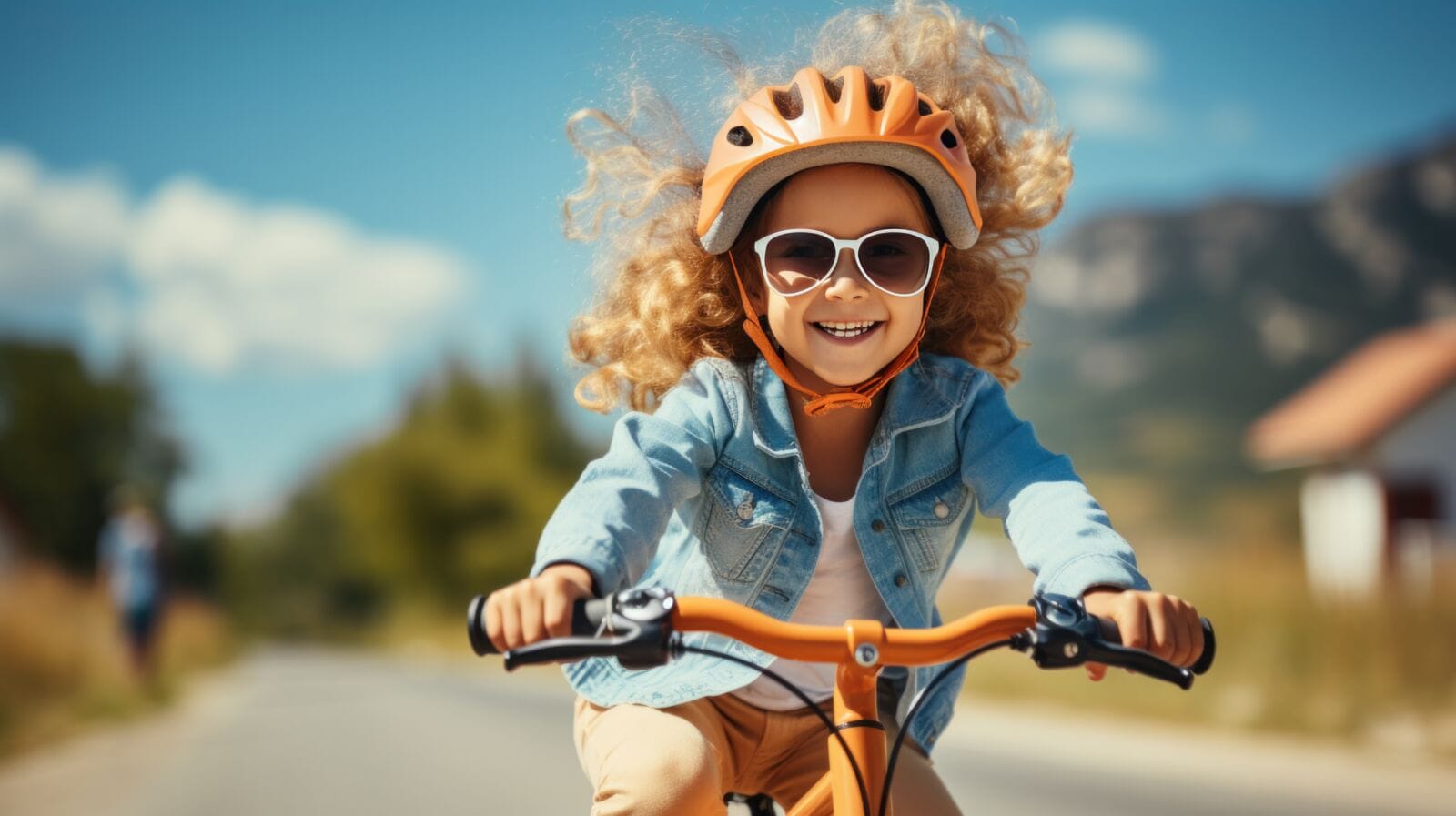
Choosing a girl’s first bike is less about finding the prettiest color and more about helping her feel comfortable, steady, and in control. The right bike should fit her body today, match her riding experience, and have features she can use without struggling.
Parents comparing girls bikes should begin with wheel size, frame fit, and brake type. Baskets, streamers, and doll seats can make a bike more exciting, but proper fit and easy handling should always come first.
Brands such as glerc bikes offer children’s models in several wheel sizes and styles. Looking at a range of options can help you match the bike to your daughter’s height, confidence, and current skill level instead of choosing by age alone.
Start With the Right Wheel Size
Children’s bikes are sized by wheel diameter. Common first-bike sizes include 12, 14, and 16 inches. Taller beginners may be ready for an 18- or 20-inch bike.
Age charts are useful as a starting point, but children of the same age can have very different heights and leg lengths. Measure your daughter’s height and inseam before shopping, then compare those measurements with the manufacturer’s size guide.
She should be able to sit on the saddle and place the balls of both feet on the ground. A cautious beginner may feel safer with both feet down more fully. She should reach the handlebars without leaning too far forward.
Avoid buying a bike that is too large just so she can grow into it. An oversized bike is harder to start, stop, steer, and balance. It can make a new rider feel nervous and slow down the learning process.
Decide Between Training Wheels and Independent Balance
Training wheels add stability while a beginner learns to pedal and steer. They may help a child who has never used a balance bike or is worried about falling.
However, training wheels do not teach the leaning and balancing motions used on a two-wheel bike. If your daughter already rides a balance bike confidently, she may be able to move directly to a pedal bike without them.
Choose removable training wheels for flexibility. Raise them slightly as her balance improves, then remove them when she can pedal, steer, and stop with less support. Confidence matters more than reaching a milestone at a certain age.
INDUSTRY INSIGHTS: The 100 Best Doctors in Arizona for 2026
LOCAL NEWS: The 20 biggest employers in Arizona
Choose Brakes She Can Use Comfortably
Many small children’s bikes have a coaster brake, which works when the rider pedals backward. This system is simple and does not require much hand strength. It can be a practical option for young beginners.
Some bikes also include a hand brake. Learning to use one can prepare a child for larger bikes, but the lever must be easy to reach and squeeze. Before the first ride, make sure your daughter can operate the brake while keeping control of the handlebars.
A bike with both systems gives a beginner two ways to stop. Practice braking at low speed in a flat, open area before riding near driveways, hills, or other people.
Look for a Manageable Frame and Weight
A lower step-through frame makes it easier to get on and off. It may also help her put a foot down quickly.
Bike weight matters, too. A heavy bike takes more effort to start, steer, and pick up after a tip-over. Compare the bike’s weight with your daughter’s size and strength. She should be able to roll it, turn the handlebars, and lift it slightly without becoming frustrated.
Check that the seat and handlebars can be adjusted. A small amount of adjustment allows you to fine-tune the fit now and make changes as she grows.
Consider Accessories After Fit and Safety
A basket, bell, streamers, or doll seat can make a first bike feel personal and fun. Make sure each accessory is secure and does not interfere with steering, pedaling, or braking.
Every new rider should also have a properly fitted bicycle helmet. Closed-toe shoes and comfortable clothing are good choices for practice. Avoid loose pant legs, long shoelaces, or straps that could catch in the chain or wheels.
Plan a Positive First Ride
Choose a flat, traffic-free space with smooth pavement, such as an empty court or quiet paved path. Adjust the saddle, check the tire pressure, and confirm that all bolts and accessories are secure.
Keep the first session short. Let your daughter practice getting on, looking ahead, pedaling, turning, and stopping. Offer calm guidance without holding the bike so tightly that she cannot feel how it moves.
The best first bike is one that fits correctly and helps a child want to ride again. When size, brakes, weight, and skill level work together, decorative features become a welcome bonus rather than a distraction. A comfortable beginning gives your daughter the foundation to build balance, independence, and lasting confidence on two wheels.